VR Overview
Overview
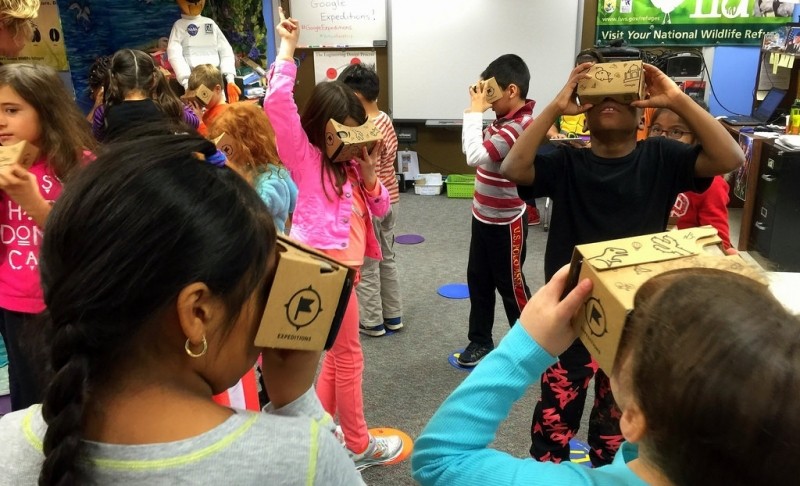
- Virtual reality replaces the real world with a virtual environment created by software. e.g. Oculus Rift, HTC vive, Google cardboard
- Augmented reality supplements the real world with virtual objects. e.g. Microsoft Hololens, Google Glass
- Virtual reality has had mixed reviews from users with disabilities
- Pro: Allows users to experience situations that they cannot control in real life
- Pro: Virtual reality is perceived favorably by the public, particularly when linked to therapeutic outcomes 7
- Pro: Can offer improved spatial awareness and hand/eye coordination
- Pro: Lends itself to peer mentoring for those requiring assistance
- Con: Virtual reality has a lot of blue-sky thinking associated with it. Viewing virtual reality as a 'cure' for disability raises a number of ethical considerations
- Con: Users who experience difficulties may choose abandon virtual experiences rather than seek assistance
Sample Video
Need web help?
All websites and applications which form part of the University web presence are expected to be compliant with the W3C's Web Accessibility Guidelines (WCAG) 2.2 AA guidelines.
Get web accessibility help