-
VR Overview
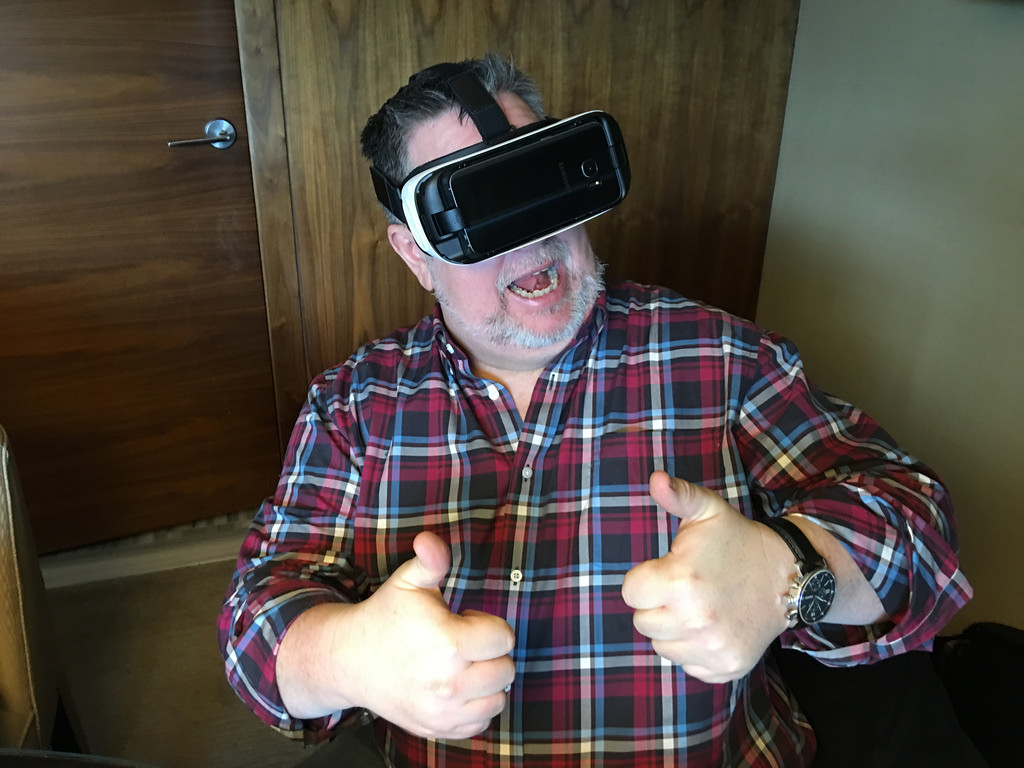
Virtual reality replaces the real world with a virtual environment created by software.
-
Mobility and VR
Virtual environments can offer users the ability to overcome real world physical barriers.
-
Hearing and VR
Some virtual experiences rely heavily on audible cues to guide users.
-
Cognition and VR
Users with cognitive impairments can become proficient in virtual environments
-
Low Vision and VR
Users may have trouble reading text which lacks sufficient contrast against the background.
-
Blindness and VR
VR platforms are not designed to work with screen readers such as JAWS or NVDA.
-
Olfactory and VR
Smell is likely to be an important part of Immersive Virtual Reality.
-
Older Users and VR
Rehabilitation activities for stroke can translate to real world outcomes.
Need web help?
All websites and applications which form part of the University web presence are expected to be compliant with the W3C's Web Accessibility Guidelines (WCAG) 2.2 AA guidelines.
Get web accessibility help