University of Melbourne celebrates WHO climate and health collaboration
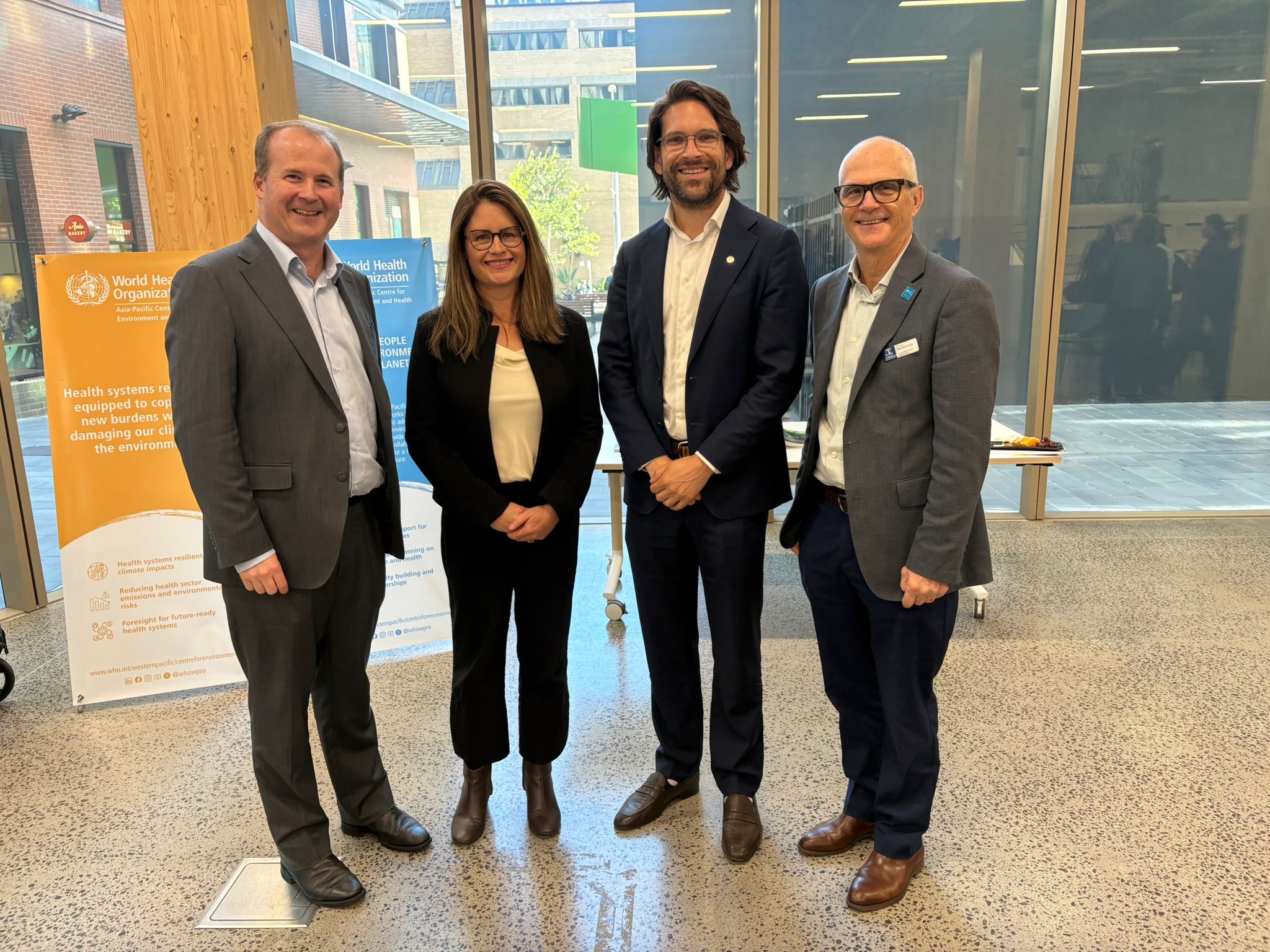
On Friday 13 April, the University of Melbourne marked a significant milestone in global climate and health efforts, celebrating the Climate CATCH Lab and the World Health Organization (WHO) collaboration for climate and health for 2026–2030.
The celebration was observed with a high-level event featuring leading voices from government, academia, and international organisations, and signals a major step forward in addressing the growing health impacts of climate change.
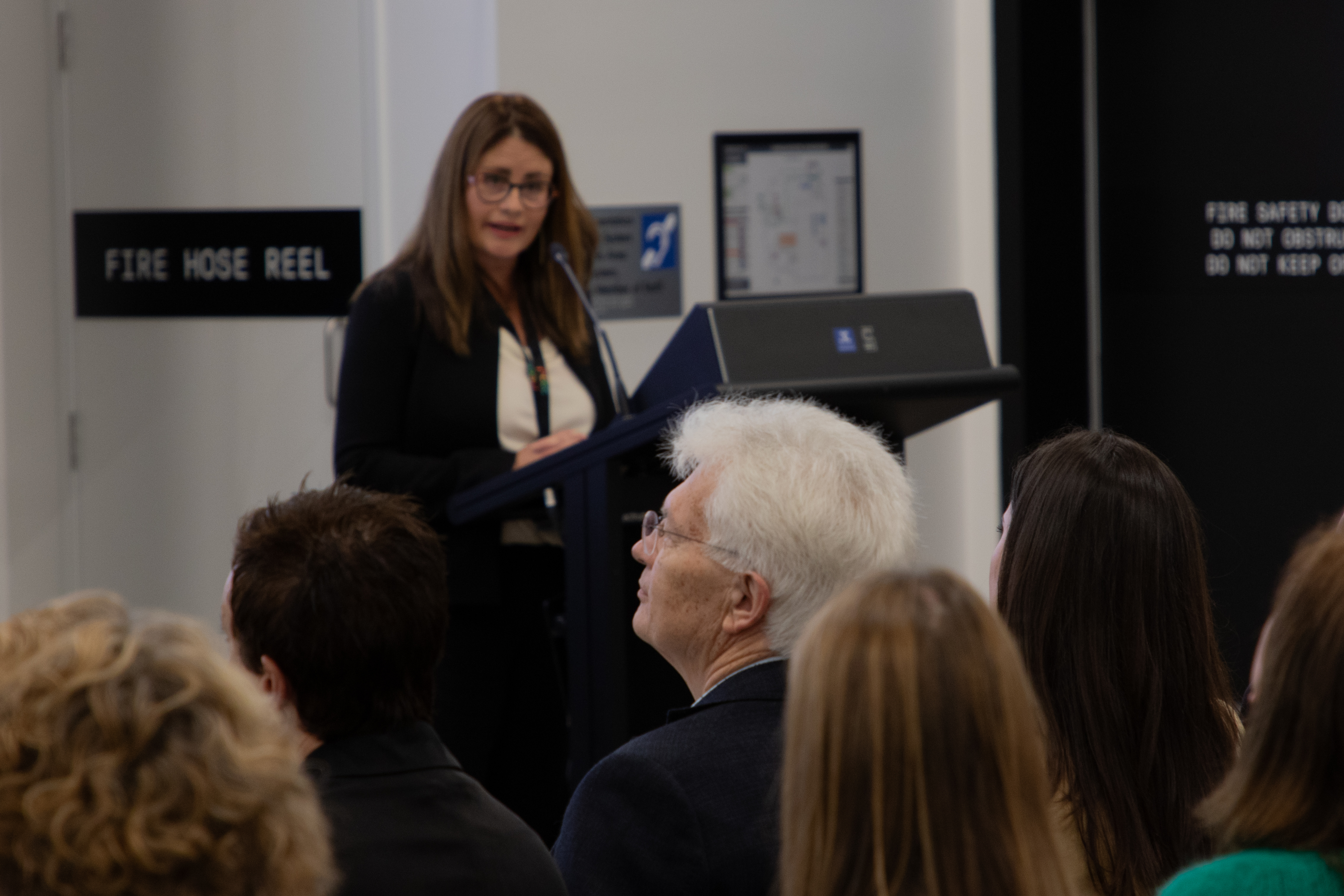
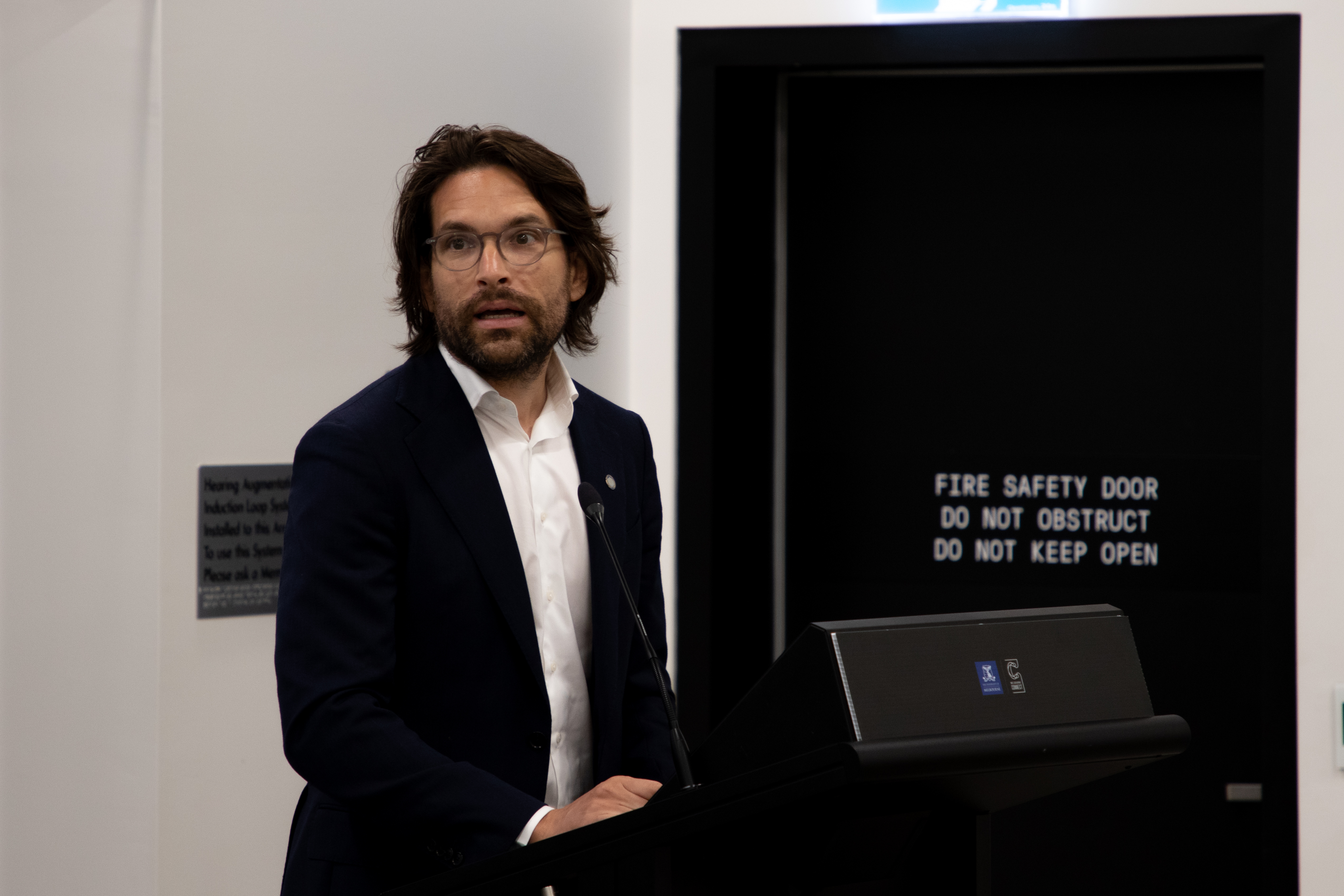
The event was hosted by Professor Kathryn Bowen, Deputy Director of Melbourne Climate Futures and Director of the Climate CATCH Lab, who welcomed distinguished speakers including:
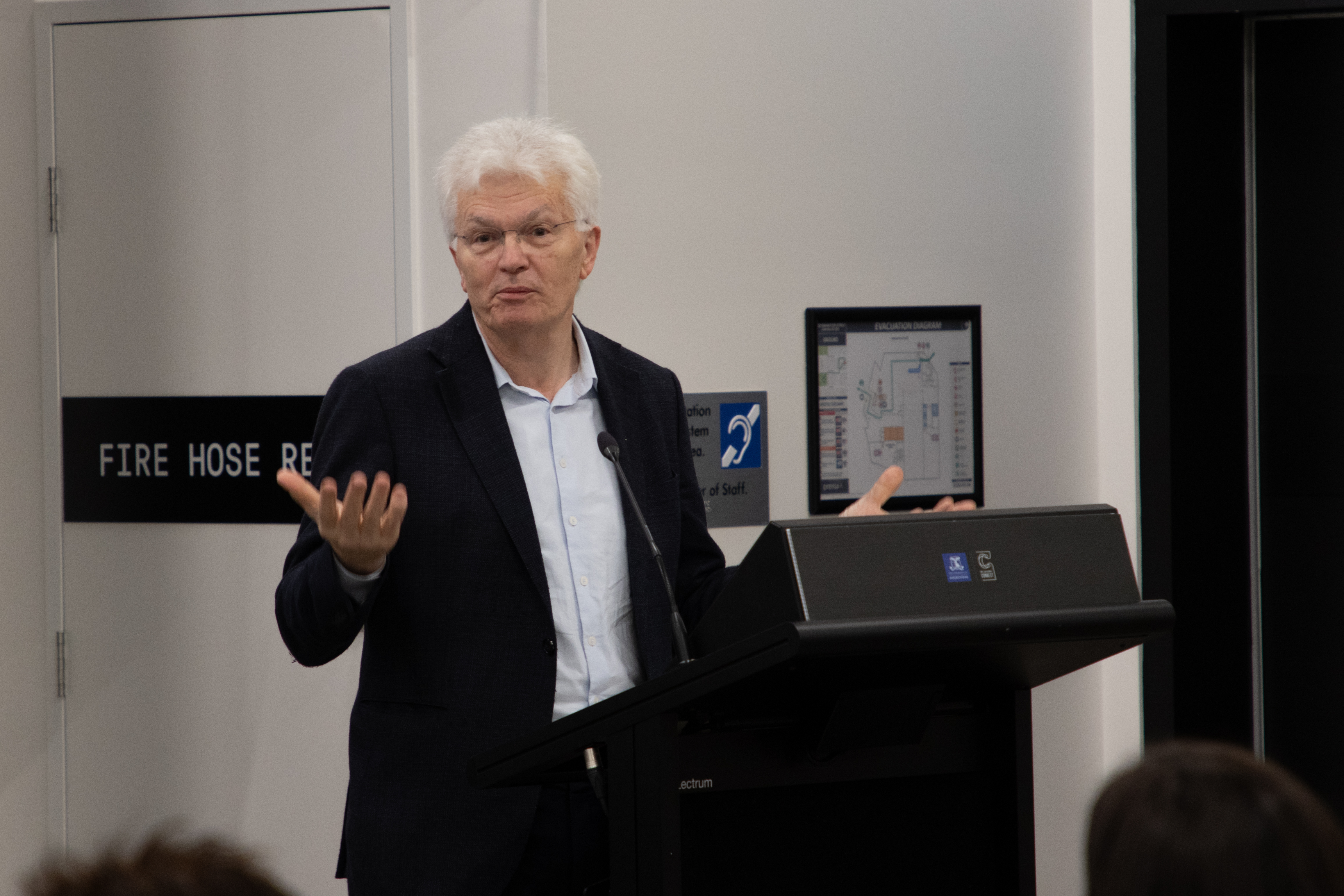
- Professor Glyn Davis, Interim Vice-Chancellor of the University of Melbourne
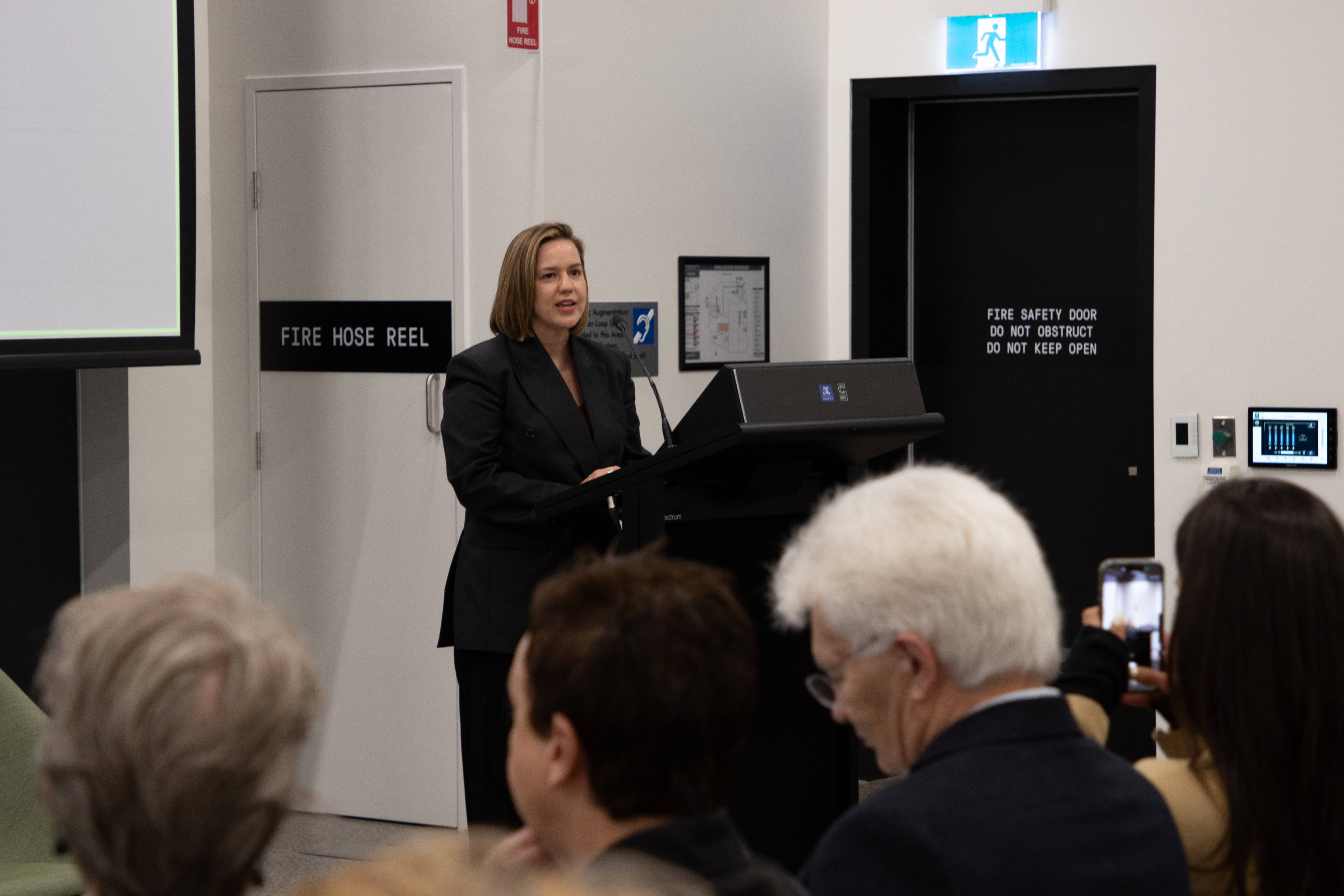
- The Hon. Kate Thwaites MP, Special Envoy for Climate Change Adaptation and Resilience
- Jenny Atta, Secretary of the Victorian Department of Health
- Dr Sandro Demaio, Director of the WHO Asia-Pacific Centre for Environment and Health
- Professor Zoe Wainer, Director-General of the Australian Centre for Disease Control
- Mark Cassidy, Deputy Vice Chancellor – Research, University of Melbourne
- Prof Susan Sawyer, Director, WHO Collaborating Centre for Adolescent Health
- ‘Ofa Ma’asi Kaisamy, Commonwealth Secretariat, Ocean Governance
- Simon O’Connor, Director, Sustainable Finance Hub, Melbourne Climate Futures
- Melissa Davey, The Guardian Health Editor
Professor Bowen described the moment as both a celebration and a launchpad for future action, noting the collaboration’s focus on “accelerating action towards climate-resilient, sustainable and equitable communities and health systems.”
Climate Change: A defining health challenge
Speakers consistently framed climate change as one of the most urgent public health challenges of our time. Professor Zoe Wainer emphasised the scale of the issue, stating, “The impact of climate change on human health and wellbeing cannot be overstated.”
From extreme heat and air pollution to infectious disease spread and mental health impacts, the health consequences are already being felt. Jenny Atta reinforced this with local examples, highlighting “bushfire smoke exposure during the Black Summer fires” and “increased mosquito-borne disease following more frequent and intense floods.”
Importantly, the burden is not shared equally. As Kate Thwaites noted, “It’s the most vulnerable in our communities who are being affected the most.”
A new phase of collaboration
The WHO collaboration builds on a long-standing partnership between the University of Melbourne and the WHO. Dr Sandro Demaio stressed that the collaboration is already delivering results, saying, “Today is not only about announcing something new, it’s also about recognising a collaboration that is already delivering real-world impact.”
Looking ahead, the collaboration will focus on strengthening evidence and capacity, supporting access to climate finance, and leading major global initiatives such as The Lancet Commission on Sea Level Rise, Health and Justice.
Dr Demaio underscored the urgency of this work: “Climate change is no longer some future or abstract risk. It is reshaping the health… of every community and every country right now.”
The role of government and policy
Government leaders outlined the policy frameworks supporting climate and health action. Kate Thwaites highlighted Australia’s national commitment, noting that “we can’t achieve these targets… unless we bring the community with us.”
At the state level, Jenny Atta described Victoria’s dual approach of mitigation and adaptation, stating, “The health system is… both a significant carbon emitter and also a system that bears the consequences of climate change.”
Professor Glyn Davis reflected on the University’s responsibility in tackling complex challenges, emphasising that “interdisciplinary work becomes the absolute imperative… because how will you address the hard problems, such as climate change?”
Financing the future
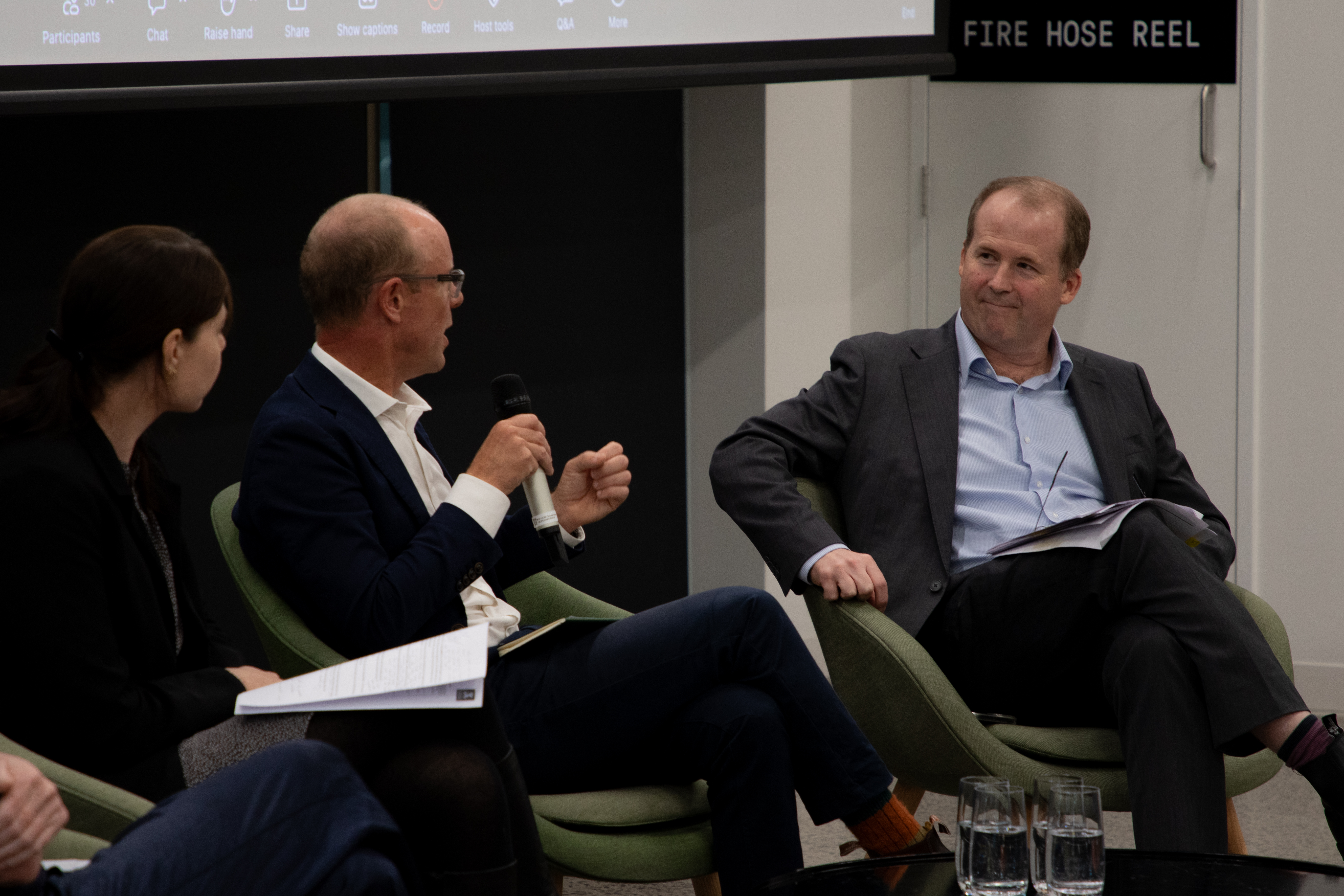
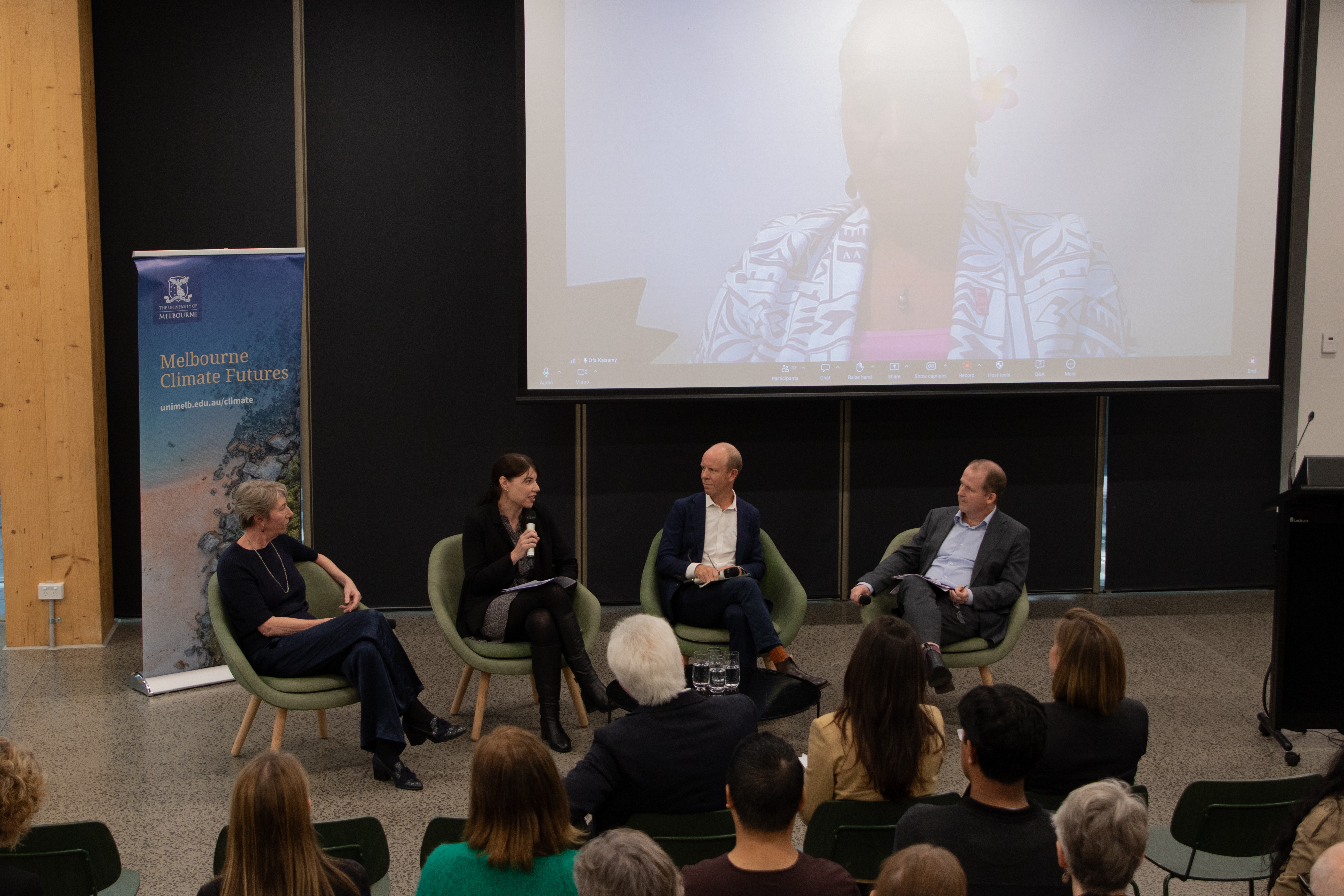
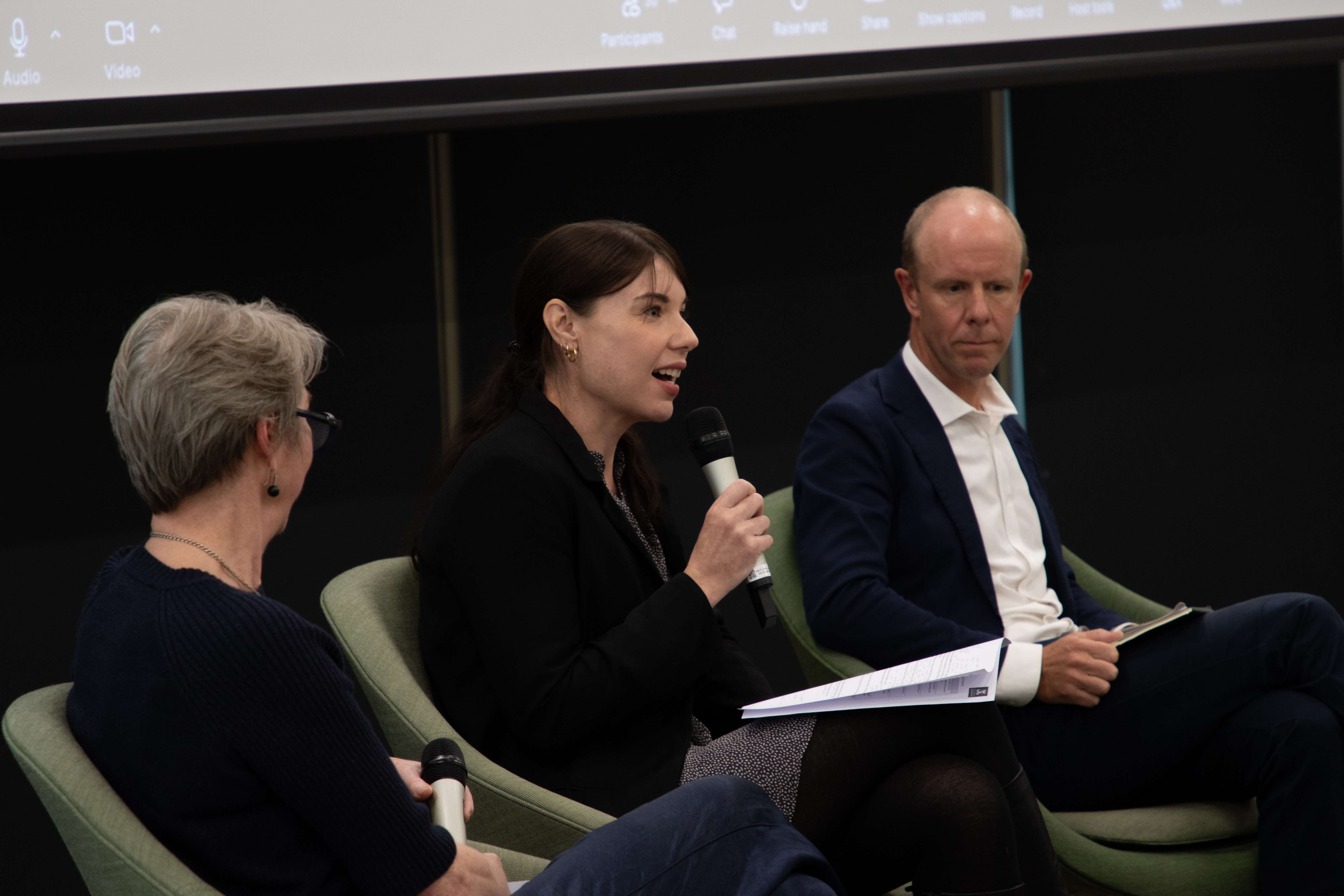
A panel discussion moderated by Professor Mark Cassidy explored barriers to financing climate–health initiatives. Simon O’Connor highlighted a key challenge: “We don’t have enough focus on health as one of the investment priority areas for climate finance.”
He stressed the need to better position health within global funding systems, noting that investments in health resilience can “strengthen the future economic resilience of a country.”
Indo-Pacific at the forefront
The Indo-Pacific region was identified as a critical focus. ‘Ofa Ma’asi Kaisamy, joining from London, described the urgency from a Pacific perspective: “We are talking about people’s lives here… our most important asset is our people, our communities, our culture and traditions.”
She emphasised the importance of genuine partnerships, adding that successful collaboration means “co-designing… with local communities at the core.”
Equity, youth and community leadership
Professor Susan Sawyer highlighted the long-term and intergenerational dimensions of climate change, particularly for young people. She stressed that education and health are deeply interconnected and warned that disruptions today will have lasting consequences.
Across the discussion, equity emerged as a central theme, with strong calls to ensure that vulnerable communities and younger generations are not only protected but actively involved in shaping solutions.
Communication and trust
Melissa Davey, Medical Editor at The Guardian Australia, raised concerns about misinformation and declining trust in institutions. She warned that “people aren’t necessarily going to the websites of WHO or collaborating centres… they are getting their information through social media.”
She called for stronger collaboration to counter misinformation and emphasised the importance of storytelling: “We need to keep the human focus front and centre.”
Looking ahead
The event concluded with a forward-looking discussion on success and impact. Panellists emphasised the importance of community engagement, innovation, and sustained collaboration.
‘Ofa captured the overarching principle succinctly: “The collaboration must be people-centred.”
As Professor Bowen and her colleagues begin this next phase, the message from the event was clear: tackling the health impacts of climate change will require coordinated global action, stronger investment, and a commitment to equity and real-world outcomes.
The celebration of the WHO collaboration represents both recognition of past leadership and a call to action—placing health firmly at the centre of climate solutions.