2025 Sustainability Report
Graduates for a sustainable future
Domain: Mobilising knowledge for action
Aspiration to 2030: All our graduates are shaping a more sustainable society through their careers and in their communities.

Progress against targets
| Target | Target status | Progress in 2025 |
|---|---|---|
| Sustainability is integrated into curriculum to an extent that conscientiously extends, beyond a base threshold, each discipline’s (and associated professions/industries’) knowledge of the helpful and harmful impacts it has for the environmental and human systems we depend on. |  |
|
| Graduates have increased capabilities to shape, lead and succeed in the careers, communities and industries of sustainable societies (year-on-year). |
|
|

Our progress
Embedding sustainability in curriculum
Overall, progress toward these two curriculum-related targets in the ‘Graduates for a Sustainable Future’ priority area shows active Faculty-level effort, but limited University-wide coordination. This resulted in one target being partially met and the other not met, despite activity and key progress in parts of the University.
Significant work has been undertaken at Faculty level to integrate sustainability in the curriculum, however not at the University-wide scale or scope required to match the target’s considerable level of ambition. Progress to embed sustainability in the curriculum varies across Faculties, with most undertaking curriculum mapping and development:
- The Faculty of Architecture, Building and Planning has made significant progress in embedding sustainability in curriculum, via holistic program reform during the renewal of all Masters programs and development of two new sustainability-focused subjects.
- Two Faculties have a dedicated sustainability in curriculum working group (Faculty of Medicine, Dentistry and Health Sciences – MDHS; and Faculty of Business and Economics), with a new specialisation (Ethics and Sustainability) now available for Bachelor of Commerce students.
- MDHS developed a comprehensive curriculum scoping report in 2024-2025. The Faculty of Engineering and Information Technology has also conducted detailed mapping of its curriculum based on the United Nations Sustainable Development Goals (SDGs).
- The Melbourne Law School (MLS) has developed a working definition of sustainability as it relates to teaching, taking the total number of Faculties with a working definition to seven of nine. MLS expanded its clinical subject offerings to provide students with real world practical experience in sustainability-related law, including climate resilience and sustainability in business.
- The Faculty of Fine Arts and Music and the Faculty of Education have both identified subjects across their curriculum where sustainability is embedded, based on keyword analysis.
- In addition to Faculty-based activities, the University offers a Joining Melbourne Module on sustainability for commencing undergraduate students.
Graduate sustainability capabilities
Work has also been undertaken to measure graduate capabilities to contribute to sustainable societies, however not on the scale required to meaningfully address the target or consistently measure progress. While some Faculties provide data on the number of completions from subjects or courses with sustainability-related content, a University-wide approach to measuring sustainability in the curriculum and therefore completions was not established. The Student Self-Efficacy Reflection Tool (aSSERT) has been developed to measure students’ (self-reported) sustainability self-efficacy and piloted in five subjects across three Faculties in 2023-2025. Read more about the aSSERT tool below.
Education-related targets will be reviewed during the refresh of Sustainability Plan 2030 in 2026, with a focus on targets which reflect the University’s ambition for its graduates and to enable continued progress by 2030.
Our stories
Pioneering 'Climate Conscious Lawyering' in the Climate Resilience Clinic
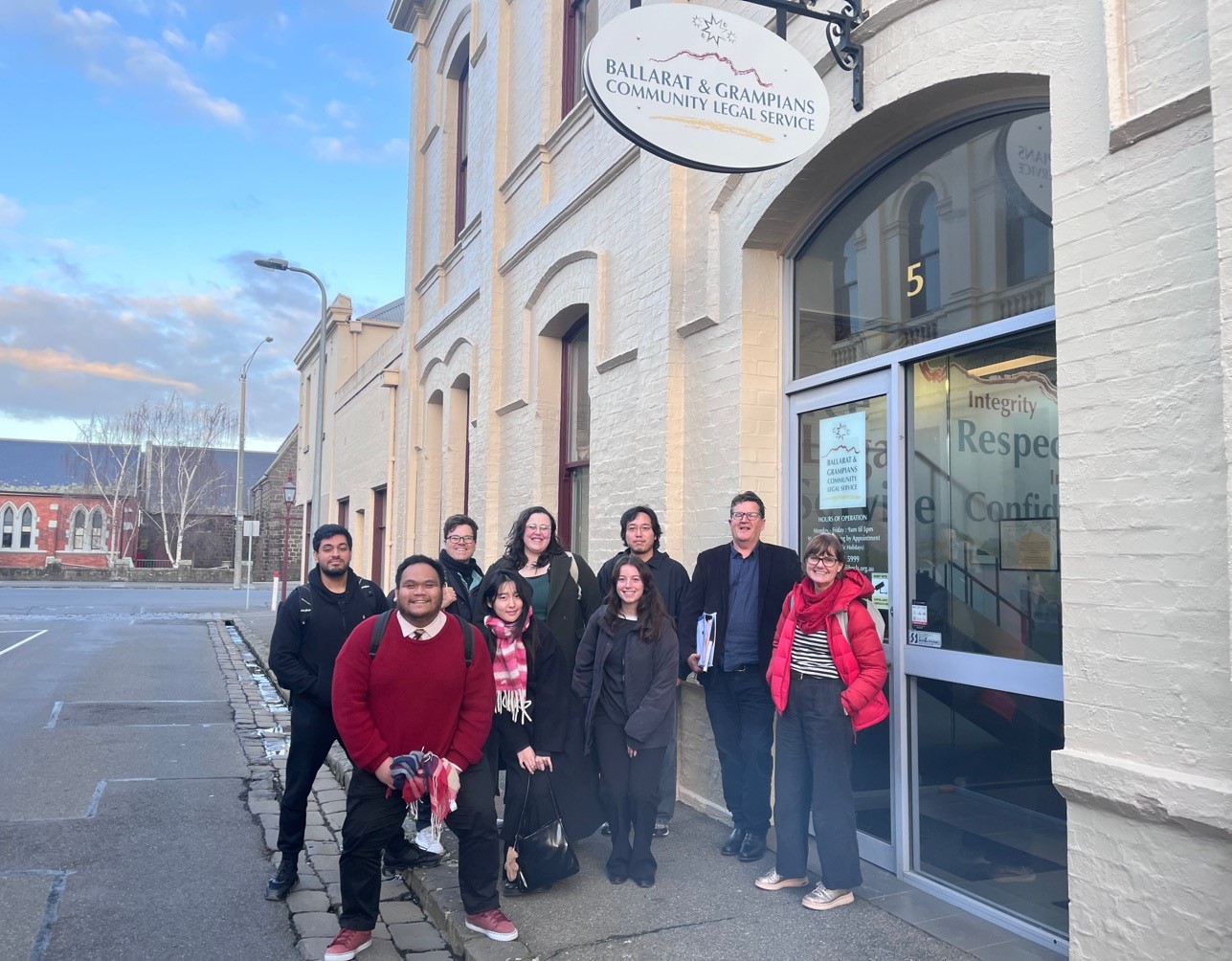
In 2025 the Melbourne Law School’s Climate Resilience Clinic (CRC) launched a clinical legal education initiative designed to equip future lawyers with the knowledge, skills and resilience needed to support communities facing escalating climate impacts. Building on the Law School’s successful legal clinics model, the clinic involved students working for a client community legal centre to address emerging climate-related legal need before, during and after climate disasters. Students were supervised in their legal work by pro bono partner law firms and mentored by clinic coordinators.
Across more than 80 hours of structured teaching and applied clinical project work, students were immersed in interdisciplinary understandings of resilience, climate justice and disaster law. The curriculum challenged them to critique narrow legal framings of ‘disaster’, explore plural climate justice perspectives and use their skills to support advocacy and systemic law reform.
Through research tasks examining the intersections between climate, health and home life, students analysed a breadth of legal regimes including tenancy, human rights, criminal law, family violence, temporary accommodation, insurance and construction standards. Their client outputs included educational resources for community legal centre lawyers working with disaster-affected communities and a database supporting climate-resilient disability housing.
Students described the clinic as profoundly aligning with their personal commitments to climate and social justice, strengthening their practical legal skills and reshaping their understanding of lawyers’ roles in climate-affected communities. A visit to the Allied Justice community legal centre in Ballarat exposed students first hand to how climate-induced disasters compound disadvantage, illuminating the systemic nature of climate impacts across all legal domains. In 2026, the clinic will double its student intake, increasing its potential to impact the legal profession and advance the emerging global movement of climate-conscious lawyering.
Plant Table: embedding ecological thinking in performance
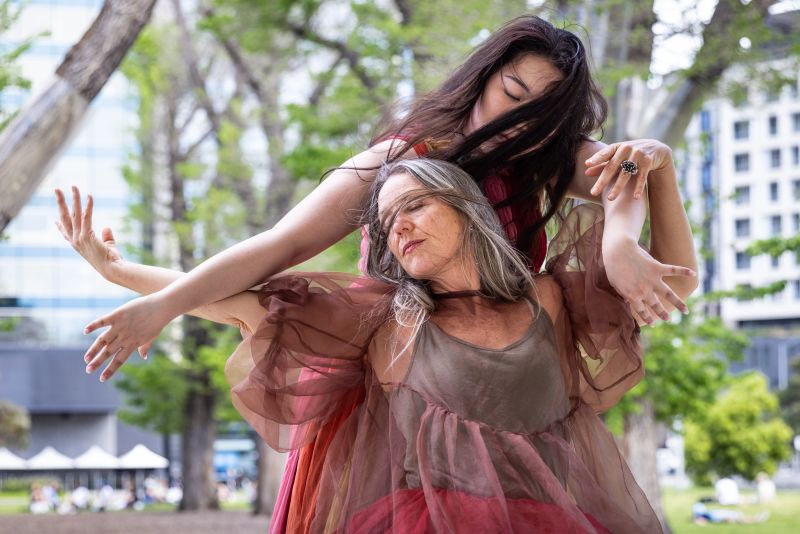
Plant Table is a production including Victorian College of the Arts (VCA) Dance academics and students as part of an ongoing living laboratory focused on ecological thinking via performance process and production. The production was an activation of plant books and plant matter, co-created by Professor Carol Brown and Gregory Lorenzutti as a performance installation. It was presented by the University's Museums and Collections team at MPavilion. The work has also been presented in libraries in Otautahi / Christchurch (Tiny Fest) and Frankston (South Side Festival). An important source for this work was a chapter in Dhoombak Goobgoowana: A History of Indigenous Australia and the University of Melbourne Volume 1: Truth on ‘Flora and Failure: A History of Plants and People on the Parkville Campus’. Six Master of Dance Students participated in the work, which was built into the ‘Choreography as Research’ subject.
In response to Plant Table, 5 Gestures for Bloom was developed and presented by students in the same subject. Five dancers created choreography which responded to the movement of plants. These productions build on earlier projects exploring botany, gardening, the climate crisis and ‘plant blindness’, which were featured in previous sustainability reports: Theatrum Botanicum (2022) and Plant Nation (2024).
Alumni advancing sustainability through their careers

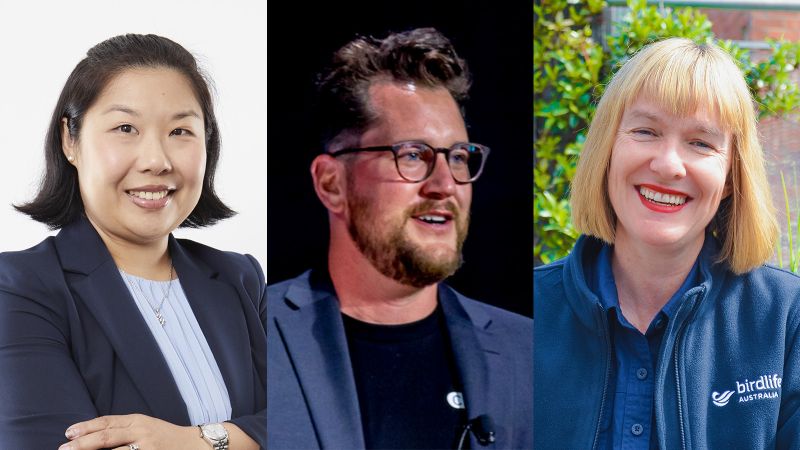
Huey Y. Yoong
Bachelor of Science 2004
Growing up in Malaysia, Huey found studying science at the University of Melbourne eye-opening. Exposure to diverse subjects and lecturers who encouraged curiosity and critical questioning reshaped how she approached problems. Huey’s time at the University boosted her confidence to speak up and value different perspectives, foundations for her sustainability leadership.
A focus on sustainability, instilled by her father's lessons and habits at home on recycling and energy efficiency, later became the centre of her career. After working in renewable energy, Huey realised that working at the city-scale offered a unique opportunity for climate action and impact. Stints in business development with renewables, a Masters degree in sustainable cities and delivering the National Transformation Program for the Malaysian government led to her current role as Head of Implementation for East, Southeast Asia and Oceania at C40 Cities.
Huey leads the Urban Climate Action Programme’s Climate Action Implementation Programme across Kuala Lumpur, Jakarta and Quezon City (Manila), a multi‑year effort to embed decarbonisation into the way these cities grow. The work has contributed to a Green Building Ordinance in Quezon City, legislation on building energy and water efficiency in Jakarta, and a Low Carbon Building Checklist integrated into Kuala Lumpur’s planning process. These policies and legislation have had a significant impact in reducing greenhouse gas emissions, while also building local capacity in cities to keep driving climate action through systemic transformation. In addition, she is now leading climate adaptation and resilience work - a reflection of the urgency of immediate climate action.
Huey believes in the power of sustainability as a holistic systemic transformation, driven by local and regional approaches. She hopes that future generations will grow up with a connected worldview, working collectively to advance sustainability.
Read more about Huey's work here.
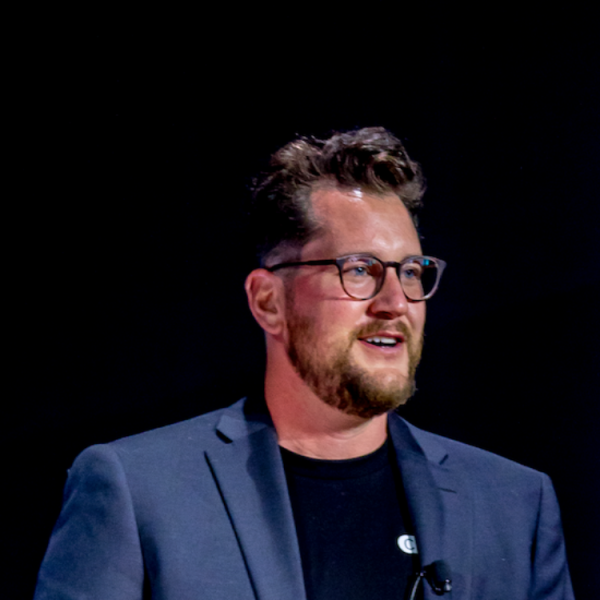
Joseph Glesta
Master of Environment 2016
As Founder and CEO of ClimaSens, Joseph Glesta is using climate intelligence to help cities and organisations prepare for escalating climate risk. ClimaSens has built a platform that analyses and visualises where and when climate and weather hazards will hit hardest, from the next 7 days through to the next 70 years. His focus is on turning complex science into decision‑ready insights for planners, emergency managers and community organisations.
Recent work includes HeatSens, piloted with the City of Melbourne to strengthen heatwave planning and operations, and a mapping tool co‑developed with Australian Red Cross through Humanitech to identify South Australians most at risk during extreme heat. ClimaSens’ impact has been recognised through Google.org’s Impact Challenge on Climate Innovation and by NVIDIA for its Earth‑2 related approaches.
Joseph links the trajectory of his career directly to his Master of Environment at the University of Melbourne. Specialising in Sustainable Cities, Sustainable Regions, he combined urban design, policy and planning with hands‑on experience in green roof research and implementation. His thesis on green infrastructure policy, and an internship developing a green roof project with government, showed him how evidence, technology and partnerships can translate sustainability theory into practical resilience for communities.
Read more about Joseph's work here.
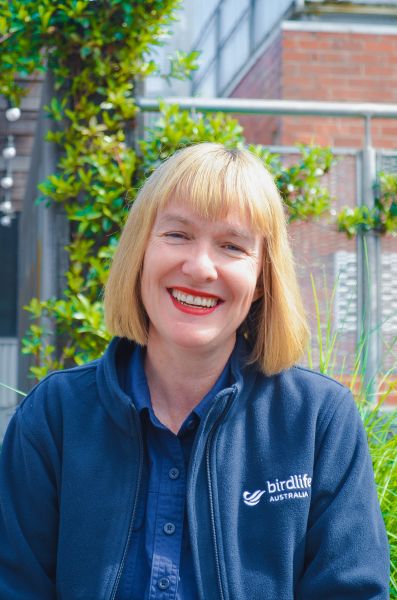
Kate Millar
Bachelor of Forest Science (Honours) 1991
Master of Forest Science 1995
Kate Millar traces her career in sustainability back to a childhood holiday at Port Campbell, where seeing glow worms for the first time as a junior ranger, she decided that working in nature was exactly what she wanted to do. Today as CEO of BirdLife Australia, she spends much of her time bringing together First Nations communities, scientists, volunteers, land managers, businesses and industry leaders around a shared goal: reversing the decline of Australia’s most threatened birds.
A recent focus of her work has been ensuring that the energy transition is nature-safe. Working with BirdLife International and Australian researchers, Kate has helped develop AVISTEP, an interactive mapping tool that shows where renewable energy projects pose the greatest risk to birds. She is now working with local branches and a network of experts so communities, governments and industry can use this information to plan better and build social licence for a nature-safe rollout of renewable energy.
Kate’s ability to convene diverse stakeholders has deep roots in her time studying Forest Science at the University of Melbourne. Interdisciplinary subjects in biological sciences, economics, social science and land management, combined with seasonal work in places such as the Victorian Alps and Wilsons Promontory, gave her both technical grounding and a strong professional network. As one of a small cohort of women in the field, learning to stand her ground and listen carefully when challenged has shaped a calm, inclusive leadership style that puts people at the centre of conservation.
Read more about Kate's work here.
Developing tools to better understand students’ sustainability self-efficacy
Education-related sustainability reporting by universities tends to focus on the content of the curriculum, rather than the outcomes experienced by the student. To better understand the University’s impact in cultivating graduates for a sustainable future, Sustainability Plan 2030 proposed an indicator: ‘Increase in students’ and graduates’ (self-reported) sustainability self-efficacy’. To address this indicator, a sustainability self-efficacy reflection tool (aSSERT) was developed and piloted across three Faculties from 2023 to 2025.
aSSERT is a survey that asks students to reflect on their competence across 12 dimensions of sustainability, drawn from a European framework called Green Comp, that are organised into four key categories: embodying sustainability values, embracing complexity in sustainability, envisioning sustainable futures, and acting for sustainability.
To develop aSSERT, the project team took an action-learning approach involving a series of pilot tests. With each trial, the tool was refined and iteratively adapted to suit the five subjects in which it was piloted. With each trial, new partners joined the team, contributing to the immediate and continuing development of the aSSERT survey. By the end of 2025, a total of 1,215 students had completed a version of aSSERT. Analysis of students’ responses revealed how confident students felt about their sustainability learning and development enabling more targeted enhancements by subject coordinators to support stronger sustainability learning outcomes in future.
The aSSERT survey will inform the review of education-related targets during the Sustainability Plan 2030 refresh in 2026.
Simulating greenhouse gas emissions in the supply chain
The Greenhouse Gas Simulation is an experiential learning activity developed by the Faculty of Business and Economics, designed to help post-graduate students understand how managerial decisions influence GHG emissions across real-world supply chains. The simulation delivers environmental, social and economic benefits by deepening students’ understanding of emissions reduction, encouraging climate aware solutions and developing their ability to evaluate cost–emission trade-offs. Developed in response to feedback from the United Nations Global Compact (UNGC) Australia, it provides a practical, applied framework for exploring emissions reduction strategies and the trade-offs managers face when balancing environmental, operational and commercial outcomes.
In 2025, 375 students engaged with the simulation, applying classroom concepts to authentic organisational challenges across procurement, logistics, product design, marketing, engineering, and operations. Delivered as a competitive team-based game, the simulation required students to analyse over 30 real-world cases, including several that had been co-developed with industry partners. Students then recommended three actionable strategies for reducing emissions within a given scenario.
The activity contributes to the University’s sustainability goals by fostering interdisciplinary engagement and sustainability-focused problem-solving, highlighting how decisions in one part of a supply chain can create ripple effects throughout the system. Dr George Panas was awarded the University of Melbourne Sustainability Award (Excellence in Teaching and Learning Category) for developing the simulation.
Our sustainability strategy
At the University of Melbourne, our efforts in sustainability are guided by Sustainability Plan 2030 - a roadmap for sustainable delivery of the University's Strategy 2030: Resilience.
Read more about how we are advancing sustainability at the University:
