The University Symphony Orchestra was bolstered by smaller performing ensembles including the Conservatorium String Quartet, but it was the appointment of Bernard Heinze—the conductor and soon-to-be Ormond Professor—in 1924 that had the most profound influence on orchestral music at the Con. The orchestral programme was strengthened by the founding then amalgamation with the VCA in the following decades.Both the Con and the VCA have also supported many students in writing new orchestral music, taught by some of Australia’s leading contemporary composers including Stuart Greenbaum, Elliott Gyger and Brenton Broadstock.
Today orchestral music remains central to music-making at Melbourne, with opportunities open to people from any discipline: the official University of Melbourne Symphony Orchestra, conducted by Richard Davis, sees orchestral musicians perform traditional and new music by established and student composers, including current PhD students such as Alice Humphries, while the University Staff Orchestra, coordinated by current music students, invites players from all staff areas.
-
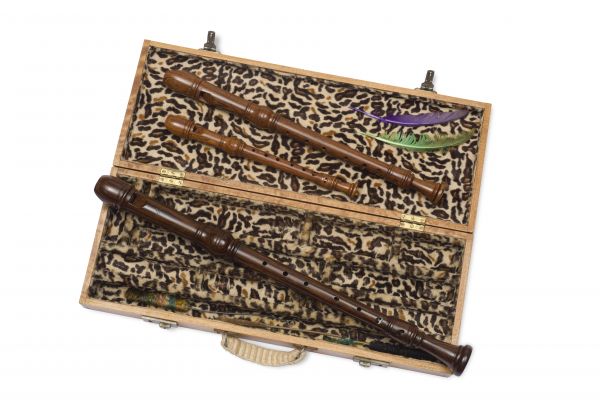
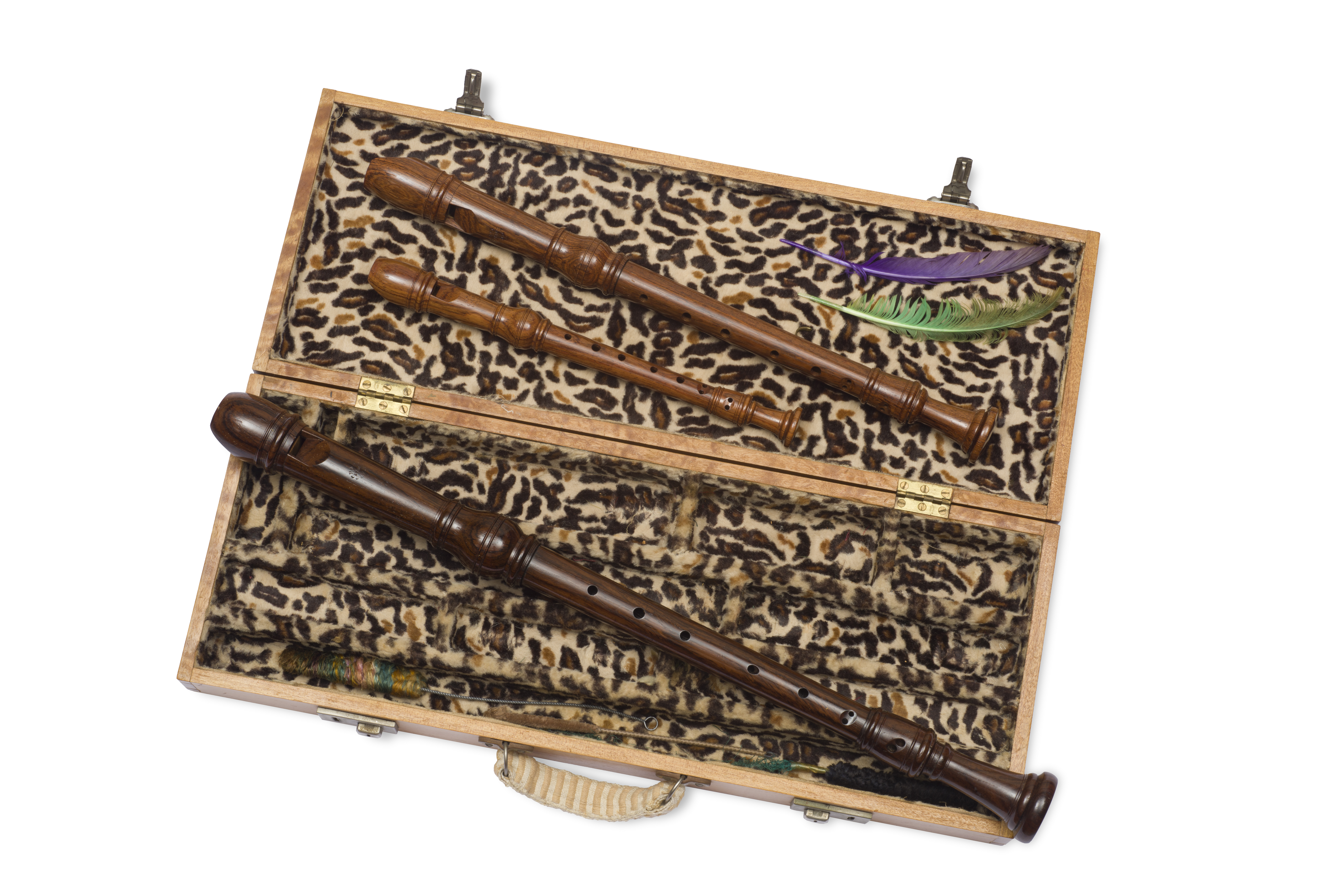
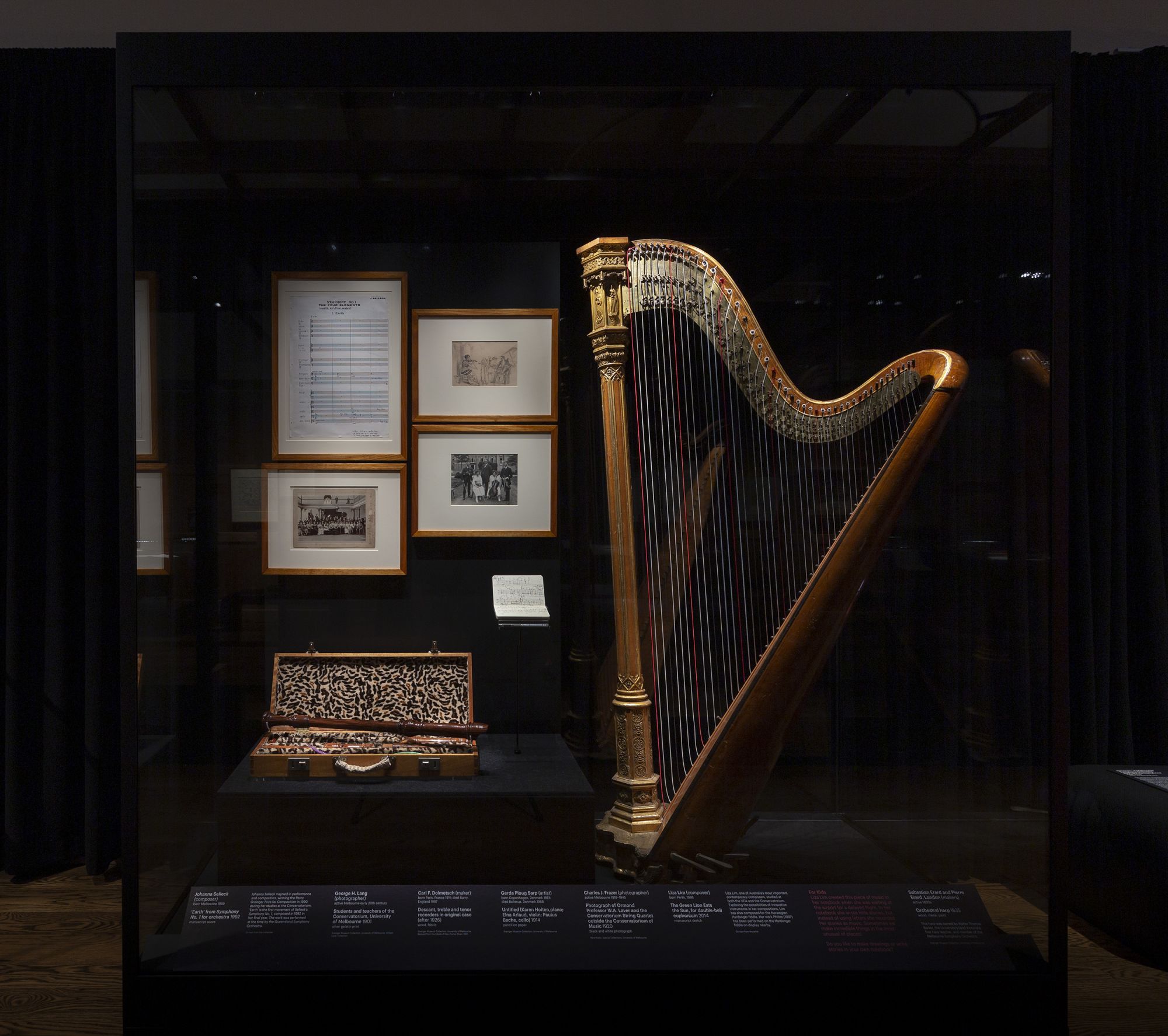
Carl F. Dolmetsch, Descant, treble and tenor recorders in original case, date unknown.
Carl F. Dolmetsch (maker) born Paris, France 1911; died Surrey, England 1997 wood, fabric These instruments were made in the English workshop of the Dolmetsch family—Arnold, Mabel, and their four children—a group of pioneering musicians committed to early music. Carl, the youngest son, advocated for the recorder as a serious art-music instrument, making these three—a descant, treble, and tenor, in a fabulous animal-print lined box—after taking over recorder production in 1926. The recorders were donated to the Grainger Museum in 1991 from the estate of pioneering Australian female architect, Mary Turner Shaw. The gift recognises the friendship between Percy Grainger and the Dolmetsch family, as well as the importance Percy Grainger placed on supporting the early music revival as part of the ‘Aims’ of the Grainger Museum. Grainger Museum Collection, University of Melbourne. Bequest from the Estate of Mary Turner Shaw, 1991. -
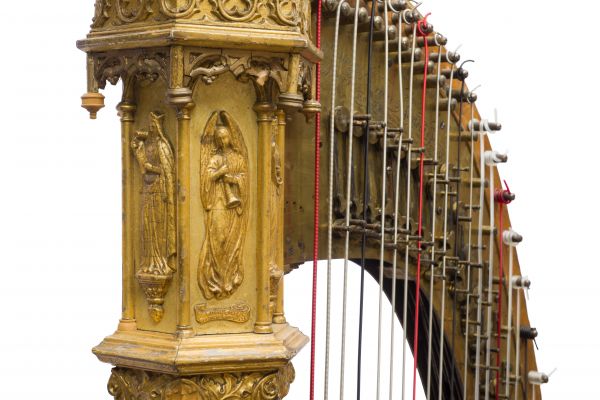
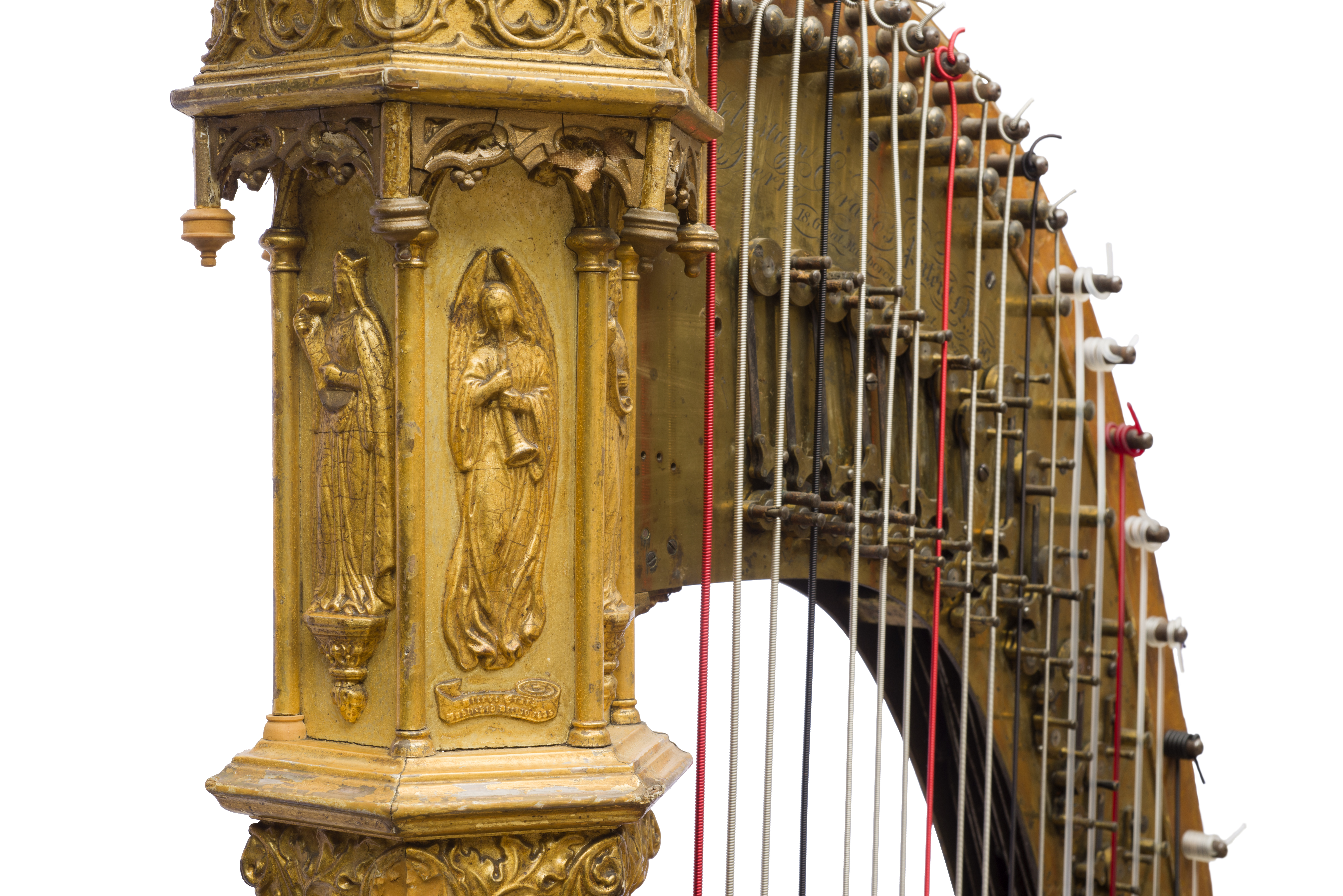
Sebastian Erard and Pierre Erard, Orchestral harp, 1835.
Sebastian Erard and Pierre Erard, London (makers) This harp was owned by Walter Thomas Barker (born England 1864, died Melbourne 1933), the University’s (and Victoria’s) first harp teacher. Barker studied at the London Royal Academy of Music and toured as a harpist across Australasia and the US. He moved permanently to Melbourne in 1895 where he played with the Melbourne Symphony Orchestra and influenced generations of harp players as a teacher. Barker’s widow donated his double-action Erard pedal harp to the Grainger Museum in 1938, the year the museum opened. Barker loved this instrument so much that he did not want it played after his death. Grainger Museum Collection, University of Melbourne -
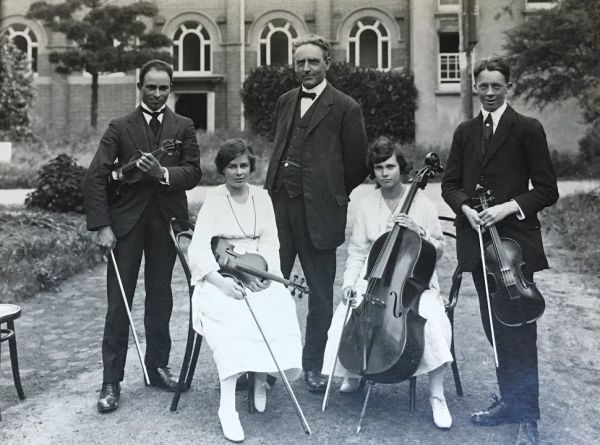
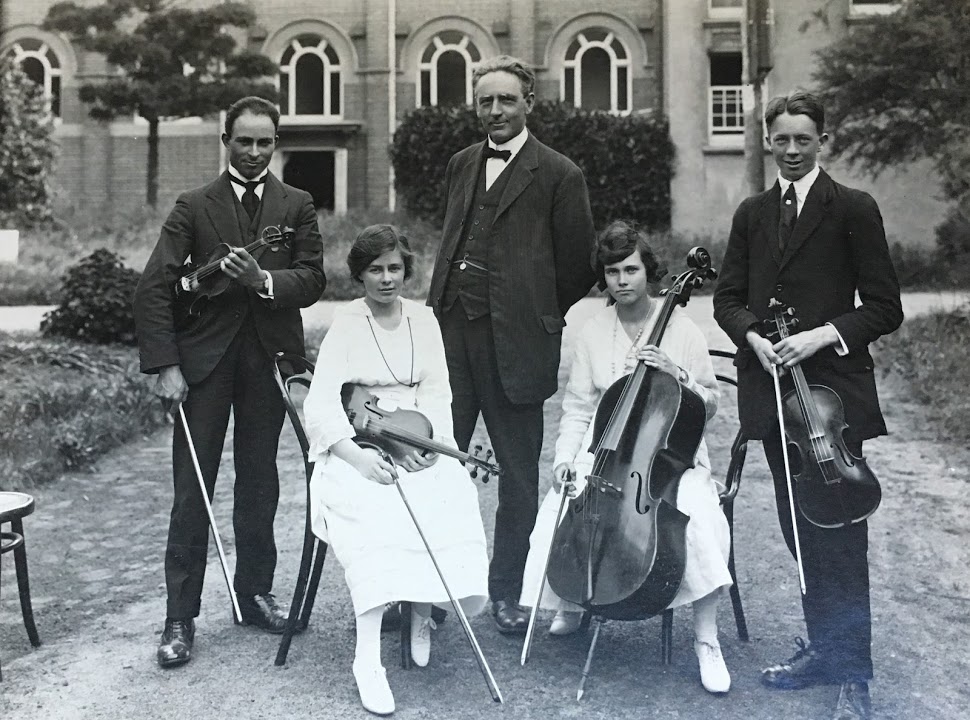
Charles J. Frazer, Photograph of Ormond Professor W.A. Laver and the Conservatorium String Quartet outside the Conservatorium of Music, 1920.
This photograph, taken in 1920, captures the University Conservatorium String Quartet with the third Ormond Professor, William Adolphus Laver at the centre, standing outside the Conservatorium of Music on Royal Parade. The members of the quartet (attributed through programmes from the same year) are most likely August Di Giglio and Violet Woolcock (violins), Gwen Procktor (cello), and W.J. Mallinson (viola). Rare Music, Special Collections, University of Melbourne. -
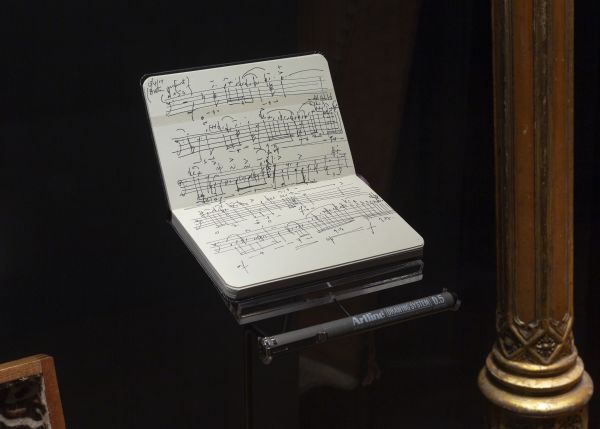
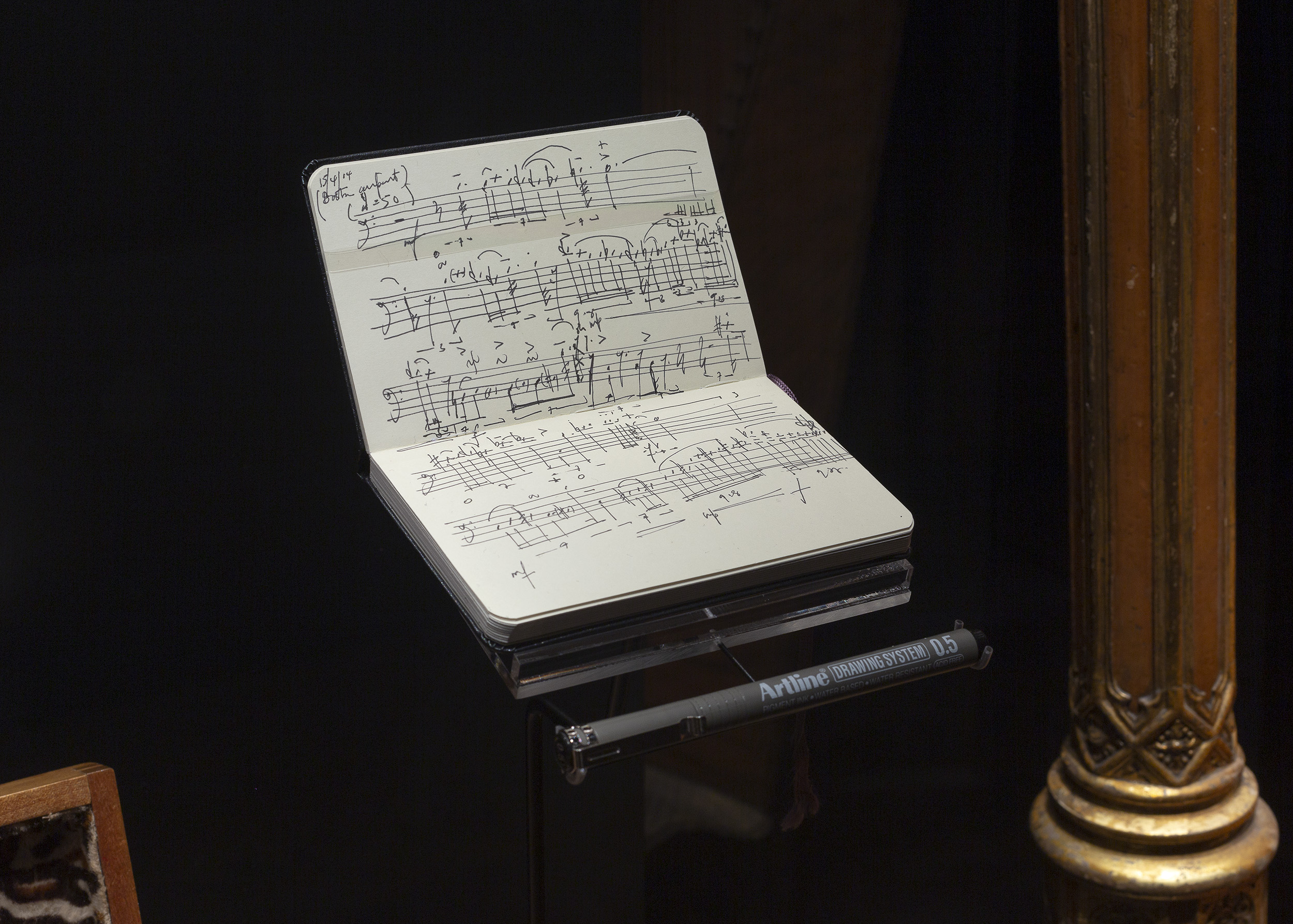
Liza Lim, The Green Lion Eats the Sun, for double-bell euphonium, 2014.
Liza Lim is one of Australia’s most significant composers. She is a graduate of both the Victorian College of the Arts and the Melbourne Conservatorium (as well as many other Australian and international institutions). The Green Lion Eats the Sun was sketched in Boston airport while Liza waited for a delayed flight. She describes ‘two sides of consciousness’ as ‘represented quite simply with the two bells. The opening and closing of the bells give you access to one or the other side but in a weird reversal: the so-called unconscious side is much more colourful, active, vibrant than the so-called conscious one.’ Liza has also composed for the Hardanger fiddle, in a work entitled Philtre (1997). Philtre was performed by Melbourne-violinist Jenny Khafagi, in 2017, on the Hardanger fiddle from the Grainger Museum Collection which is on display in Multivocal. On loan from the artist. Photo: Christian Capurro