2023 Sustainability Report
Graduates for a sustainable future
Domain: Mobilising knowledge for action
Aspiration to 2030: All our graduates are shaping a more sustainable society through their careers and in their communities.

Progress against targets
| Target | Target status | Progress in 2023 |
|---|---|---|
| Sustainability is integrated into curriculum to an extent that conscientiously extends, beyond a base threshold, each discipline’s (and associated professions/industries’) knowledge of the helpful and harmful impacts it has for the environmental and human systems we depend on. |  In progress |
|
| Graduates have increased capabilities to shape, lead and succeed in the careers, communities and industries of sustainable societies (year-on-year). | In progress |
|
Explore our progress
and our stories

Our progress
Mapping sustainability in the University of Melbourne curriculum
The Office of the Provost and the Sustainability Strategy team are collaborating to map sustainability in the curriculum. This will provide baseline data, which will assist curriculum owners to prioritise action to further embed sustainability in the curriculum. We developed an analytical framework based on the United Nations Sustainable Development Goals (SDGs), which were selected due to the breadth of sustainability-related themes they encompass.
We piloted the analysis in 2023, completing a preliminary assessment of sustainability across the University curriculum. A total of 4953 subjects taught in 2023 were examined based on keyword analysis of the University Handbook. We used a list of SDG keywords from the Sustainable Development Solutions Network, flagging subjects which included a minimum of three keywords under a given SDG. Of these, 1110 subjects included content relating to at least one SDG, with 424 subjects including content relating to two or more SDGs. The analysis also provided a snapshot of the proportion of subjects relating to each SDG across the University. We are continually updating our analytical processes to improve analysis methods to support further embedding of sustainability across the curriculum.
Presence of sustainability in the curriculum
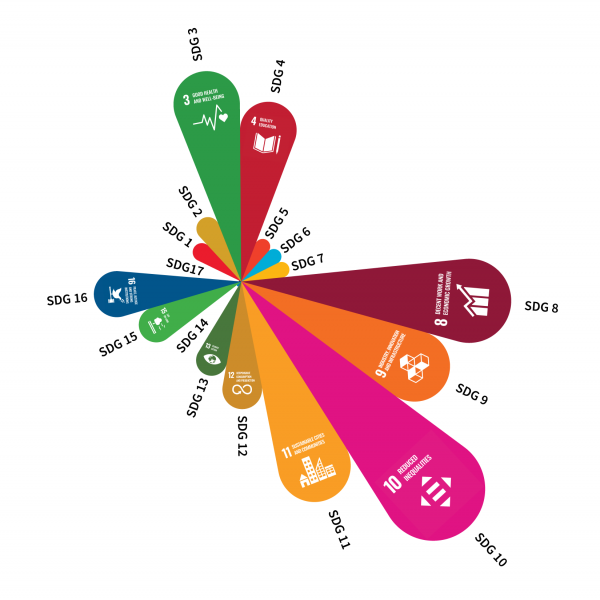
As well as addressing targets under ‘Graduates for a sustainable future’ in SP2030, this project aligns with the Advancing Students and Education (ASE) strategy’s broader aims to enhance student experience and educational quality at the University, with current efforts focused on understanding how sustainability is embedded within majors in the undergraduate curriculum. Released in March 2023, ASE presents the University’s vision for a curriculum defined by quality and relevance. Within ASE, sustainability is one of four key touchstones within the Melbourne Curriculum for all students regardless of their chosen discipline of study.
Our stories
Across the University, we are actively exploring what it means to embed sustainability in coursework at all levels. The examples from our faculties below demonstrate the broad scope of this challenge and the innovative approaches being developed by our academic and professional staff.
Embedding sustainability in filmmaking studies
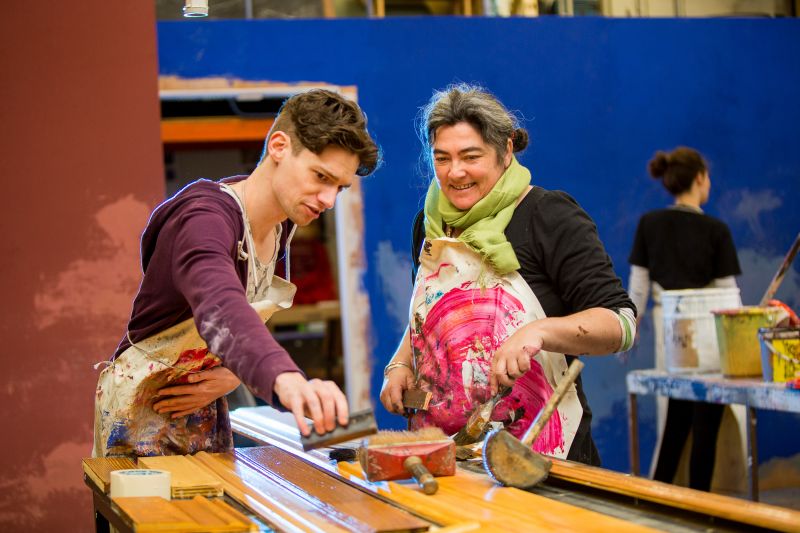
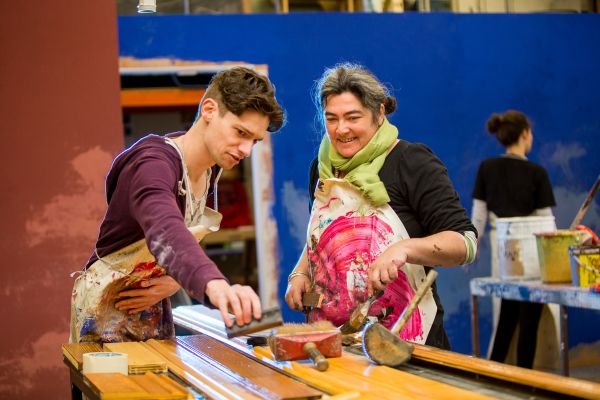
The Faculty of Fine Arts and Music has made the University the first educational institution in Australia to provide sustainability tools for filmmaking as part of the core curriculum for Bachelor of Arts (Screenwriting) and Bachelor of Arts (Film and Television) students. In partnership with industry and Sustainable Screens Australia (SSA), staff in the Victorian College of the Arts (VCA) developed a new second-year core subject titled Creating Sustainable Screen Productions (FLTV20023), with the first intake of students planned for 2024.
The subject will support students to ‘develop production methodologies that are ecologically sound, socially just and economically viable with a view to carbon-neutral screen productions’ through access to sustainability tools for filmmaking developed by SSA and its British counterpart albert. This outcome demonstrates a Faculty and discipline-specific approach to the challenge of embedding sustainability in the curriculum.
Revitalising the Office for Environmental Programs

Since its founding in 1999, the Office for Environmental Programs (OEP) has played a key role in postgraduate environment and sustainability teaching at the University through the Master of Environment and related programs. The OEP offers a broad, interdisciplinary curriculum, drawing from various faculties. In 2023, the OEP expanded its remit to encompass several additional sustainability, climate and environment-focused programs, including:
- Master of Environmental Science
- Master of Climate Science
- Master of Urban Horticulture
- Master of Ecosystem Management and Conservation
- Graduate Certificate in Bushfire Planning and Management
- Graduate Certificate in Arboriculture
- Graduate Certificate in Garden Design
This change expanded its student cohort to almost 600. Under the leadership of Professor Kirsten Parris since April 2023, the OEP has been revitalised, with a focus on building a strong student cohort experience, exploring new curriculum opportunities and incorporating sustainability into all activities. The OEP works closely with the Postgraduate Environment Network to support events that connect students with each other, current environmental issues and prospective employers. As it celebrates its 25th anniversary in 2024, the OEP’s role in equipping students to tackle environmental challenges is more crucial than ever.
Embedding climate change competence in the Master of Urban Planning
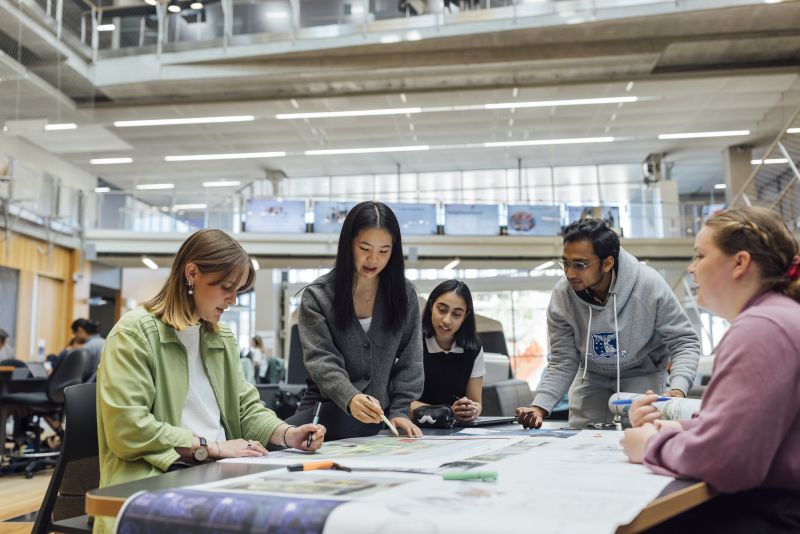
The Faculty of Architecture, Building and Planning is invigorating built environment studies to support climate change action. In 2023, Associate Professor Anna Hürlimann and Dr Naima Iftikhar from the Faculty of Architecture, Building and Planning developed a 10-stage framework for redevelopment of program level curriculum to incorporate climate change competence.
The framework was applied to the Master of Urban Planning program, in consultation with key stakeholders including students, teaching staff, industry professionals and members of the Planning Institute of Australia Education Committee. Key learnings from the project were captured and documented throughout the process, designed for potential broader application across the Faculty, University and beyond. By articulating a process for embedding climate change in the curriculum which can be applied to other courses, this project will provide an example for others to follow.
The project was jointly funded by the University’s Office of the Provost Learning and Teaching Initiatives grant and the GEM Scott Trust. Learning and Teaching Initiative grants enable academics to develop innovative projects to enhance the curriculum and student experience, with several projects across the University in 2022 and 2023 focused on sustainability and climate change.
Social Sustainability in the Faculty of Arts
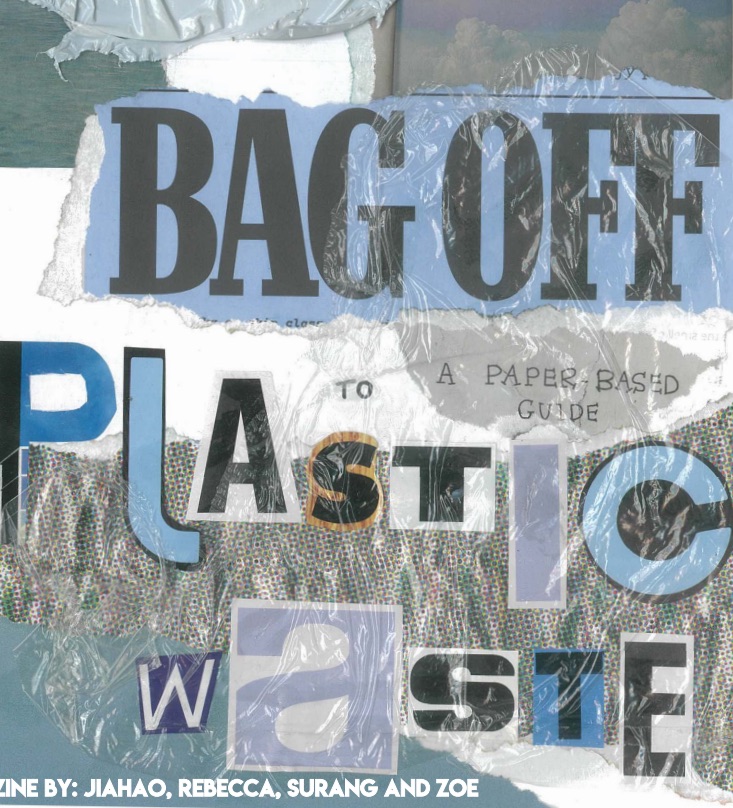
Social Sustainability (SOCI30016) is a third-year capstone subject in the Bachelor of Arts (Sociology), where students explore intertwining social and ecological challenges including climate change, ageing populations and rising temperatures, waste colonialism, diminishing natural resources and the imperative of climate justice. Student projects examine the social impacts of these challenges for different social groups and in different contexts, with some groups using. Student learning is supported by partnerships inside and outside the University, including with the University’s Archives, Sustainability team and 3CR Community Radio.
In 2023, two Social Sustainability student projects received an award in the Faculty of Arts Student Sustainability Competition, including one project which used the University campus as a living microcosm of society to research the waste impacts of takeaway coffee cups. The competition rewards creative and innovative student work that illustrates the unique contributions of humanities, arts and social sciences to sustainability.
Climate Action Scholarship welcomes its first cohort

The Melbourne Climate Action scholarship recognises the disproportionate effects of climate change on nations in the Pacific. The scholarship is offered to international students from Pacific Small Island Developing States who are enrolling in graduate coursework or graduate research courses in fields that address the effects of climate change in their region. The first cohort of scholars in the program, Ms Chethna Ben from Fiji (PhD), Mr Steneth Kaniki from the Solomon Islands (Master of Environmental Law) and Ms Shudha Singh from Fiji (Master of Climate Science), commenced their studies in 2023.
Our alumni sustainability leaders
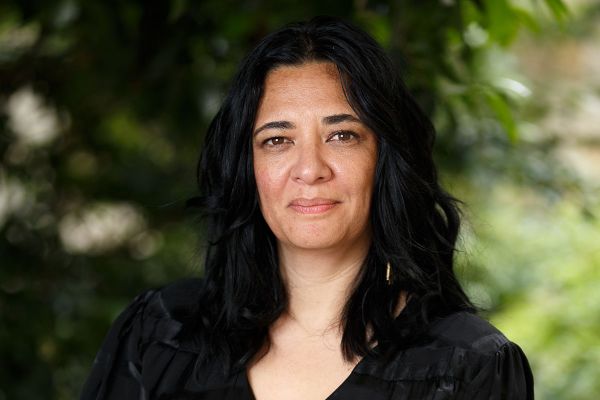
Tania Pouwhare
GCert Education 2019
Tania Pouwhare, from the Ngāi Tūhoe tribe in Aotearoa New Zealand’s Bay of Plenty, is a Senior Fellow with the Atlantic Fellows for Social Equity, having completed her foundation year in 2019. Through this Indigenous-led program, Tania forged new connections, especially with the other Atlantic fellows. “New opportunities arose out of that,” she says, “And not just theoretical possibilities, but ones that I could actually implement because I had new tools, knowledge and people to draw on.”
As Auckland Council’s General Manager, Community and Social Innovation, she refocused economic regeneration work on a Green New Deal, knowing that “there's no point to economic equity on a dead planet”. Tania now works with her whānau – family – as Pou Kahukura at Mana Ātea, a disability services and support organisation for Māori disabled people which tackles ableism and supports self-determination. Sustainability remains a key focus in her work at Mana Ātea, addressing issues such as sustainable food sovereignty, the design of affordable, beautiful, good quality and low carbon housing; and opportunities for hyper-local renewable energy generation. Read more about Tania's career and experience at the University.

Michael Uche Ukponu
M Energy and Resources Law 2019; PhD Law (current)
In his home region of the Niger Delta in Nigeria, Michael Uche Ukponu witnessed the scale of ecological damage and impacts on human health caused by unsustainable oil exploration. Driven by this experience, he completed a Master of Energy and Resources Law as an Australia Awards scholar, enhancing his skills in energy, natural resources, and environmental law and policy.
Michael credits teaching staff in the Melbourne Law School for supporting him to gain cutting edge knowledge and competence in energy and environmental law, and the Ian Malkin Centre for Legal Academic Skills for helping him to hone his academic writing and research skills. Michael has authored or co-authored multiple research articles and book chapters since graduating, and is now shaping a more sustainable society as a PhD candidate. He hopes that his doctoral research will contribute to the growing momentum for recognition and prosecution of man-made environmental degradation, via new pathways in international law and the criminal justice system. Read more about Michael's PhD research.
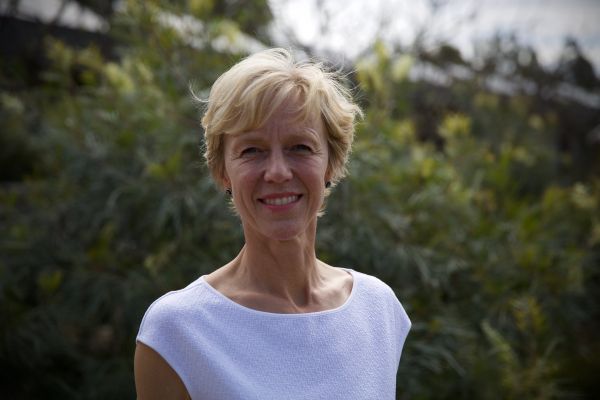
Kate Vinot
BEng 1987; Mt Eliza MBA (Executive) Melbourne Business School 2008
Kate Vinot started out as a Bachelor of Engineering student interested in how Australia could simultaneously grow, develop, and protect the environment. Finding her way into geotechnical engineering after being inspired by a final year elective subject, Kate gained knowledge about soil and groundwater which proved useful throughout her career.
Frustrated by seeing a range of development projects that appeared to discount their environmental impact, Kate secured a Rhodes Scholarship and focused her studies on socioeconomics. This rounded out her previous environmental studies to develop a ‘triple bottom line’ capability (in the social, environmental and economic aspects of sustainability) which has defined her career.
After working as an environmental consultant across Europe, Kate returned to Australia and completed a Mt Eliza MBA (Executive) with Melbourne Business School in 2008. She has held multiple business leadership roles, including with Visy, South East Water, Veolia and the City of Melbourne. Kate now works primarily in board roles, focusing on the role of critical infrastructure in enabling communities to be resilient and sustainable, helping to catalyse ambitious climate action. Read more about Kate's career and experience at the University.
Our sustainability strategy
At the University of Melbourne, our efforts in sustainability are guided by Sustainability Plan 2030 - a roadmap for sustainable delivery of our institutional strategy Advancing Melbourne.
Read more about how we are advancing sustainability at the University:
