2024 Sustainability Report
Our impact
The University of Melbourne’s 2024 Sustainability Report is the third report against the ambitious targets outlined in the University’s Sustainability Plan 2030. This plan underpins the aspirations outlined in Advancing Melbourne, guiding sustainable delivery of our commitments across the five key pillars of Place, Community, Education, Discovery and Global.
The Australian Institute for Infectious Disease (AIID) will drive faster and more effective pandemic and infectious disease detection, prevention, and response. The AIID Project Team has embedded sustainability and social procurement as key priorities from the outset.
To construct the world-class AIID building in the Melbourne Biomedical Precinct, several existing buildings needed to be stripped and demolished to prepare the development site. Acknowledging that demolition can produce high amounts of CO2, waste, dust, and noise, the project team identified an opportunity to minimise this impact through sustainable construction and business practices, including sustainable and social targets within the contractor's scope.
Prior to contracting with the market, the team proactively identified 80 tonnes of equipment that could be repurposed in other University properties, including a chiller and student accommodation items like beds, air conditioners, and other furnishings. This proactive approach saved the Dookie student accommodation project from purchasing new items, demonstrating the benefits of sustainable practices.
For the remaining furniture, fittings, and equipment, the team leveraged the procurement process and sustainability requirements within the scope to maximise sustainability and social outcomes. During contractor selection, tenderers were assessed on their adoption of sustainable construction practices, including waste management, dust suppression measures, response to sustainability and social targets, and project-specific requirements to minimise and capture greenhouse gas emissions.
Through a competitive process, preferred contractor Kane Constructions committed to exceeding the social procurement targets of 2-4% and agreed to a stretch target of 5%. This commitment demonstrated the contractor's dedication to delivering positive social outcomes.
The social procurement targets led Kane Constructions to seek alternative suppliers and innovative ways to strip out the existing furniture and equipment. This search resulted in the engagement of Project Net Zero, a 100% Indigenous-owned business with a workforce comprising more than 80% Indigenous employees.
Working with Project Net Zero resulted in a further 30 tonnes of furniture and equipment being diverted from landfill and donated to the community. Repurposing these items helped reduce the production of new items and their associated emissions, as well as the energy, water, and mineral resources required for manufacturing.
By applying sustainable and social principles to the project, the majority of furniture, fittings and equipment was diverted from landfill, and an Indigenous-owned business was engaged, delivering social, environmental, and economic benefits for the University and the community.
The University’s Sustainability Awards recognise students, staff, retailers, affiliates, and contractors who have championed sustainability through their studies, work, and extracurricular activities, highlighting the vital role everyone plays in achieving the targets of the Sustainability Plan 2030.
In 2024, six recipients were honoured for their exceptional contributions to advancing sustainability within the University. The winning projects exemplify a remarkable range of sustainability innovations across various disciplines, including communications and engagement, sustainable operations impact, teaching and learning, research, and retailer best practice.
The projects showcased in the 2024 Sustainability Awards highlighted contributions to food security, energy efficiency, waste reduction, and health resilience.
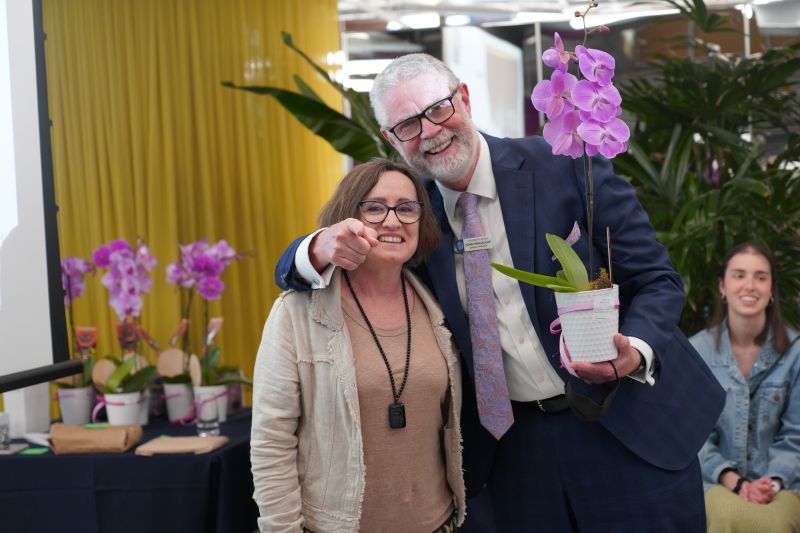
University House received the Retailer Best Practice Award for its strong commitment to minimising environmental impact through sustainable product sourcing and waste reduction.
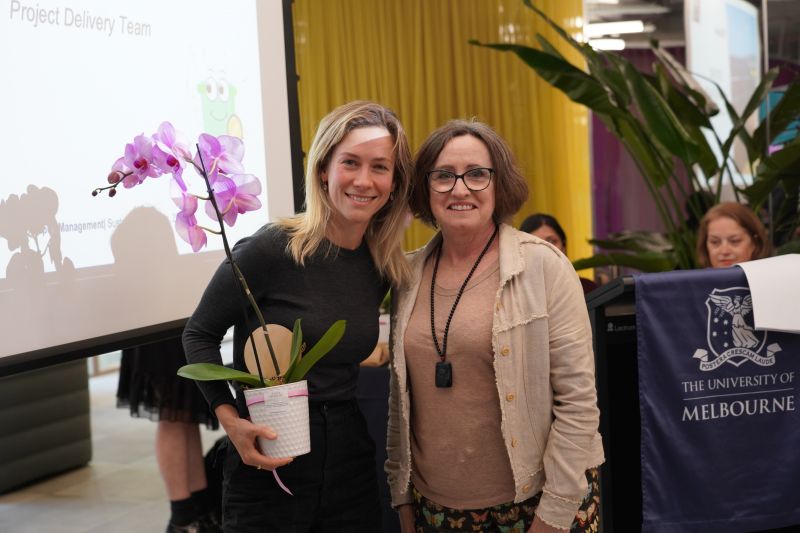
The Outstanding Operational Impact Award went to the Project Delivery Team, in partnership with the School of Agriculture, Food, and Ecosystem Sciences (SAFES), for their groundbreaking Dookie Agrivoltaics project. This initiative introduced Australia’s first vineyard-integrated solar PV at the Dookie campus, advancing agrivoltaic solutions to support both energy and food co-generation.
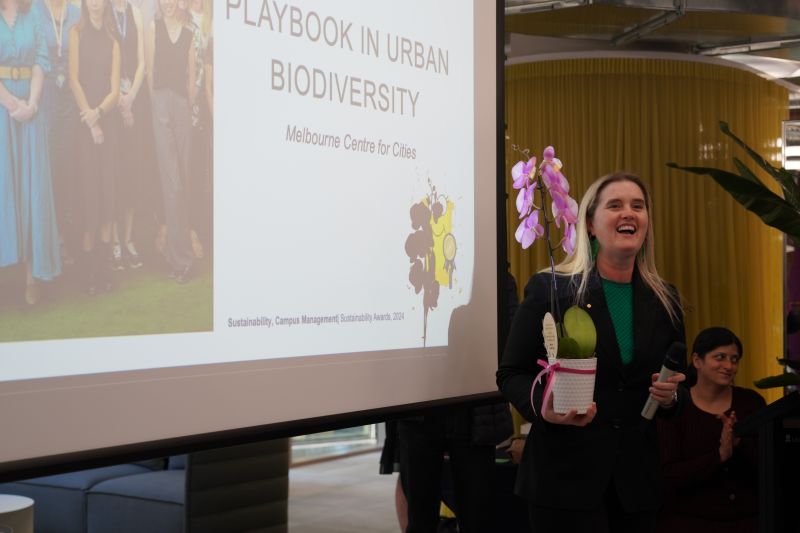
The Excellence in Sustainable Communications and Engagement Award was won by the Melbourne Centre for Cities for their Playbook for Urban Biodiversity, a project designed to challenge misconceptions and promote practices that enhance urban biodiversity in Melbourne.
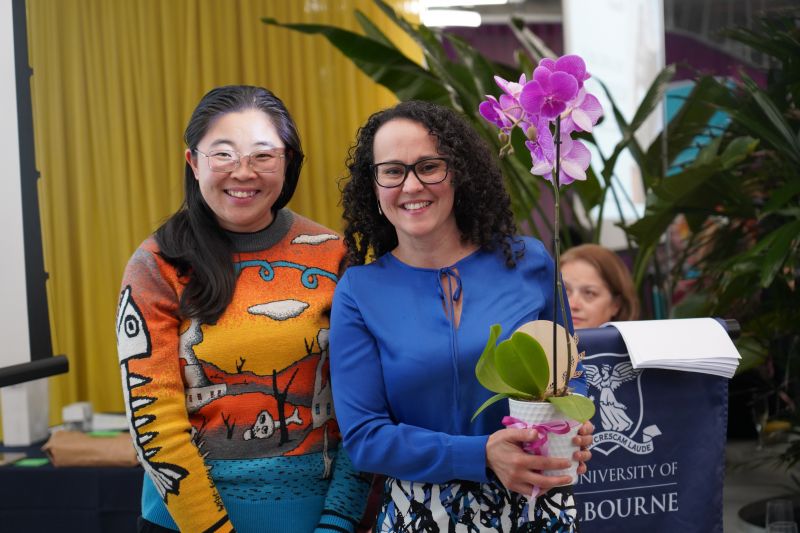
The Excellence in Teaching, Learning and Research Award went to Christhina Candido for her SHE Living Labs project at Melbourne Connect within the Sustainable and Healthy Environments (SHE) Lab in the Faculty of Architecture, Building and Planning. This initiative provides real-time data to improve sustainable building designs, supports hands-on student learning, and encourages career advancement for women in STEM fields.
The final category recognised students and staff who have made significant contributions to sustainability initiatives at the University and in the wider community, showing passion through learning, advocacy, and gaining new experiences in the field.
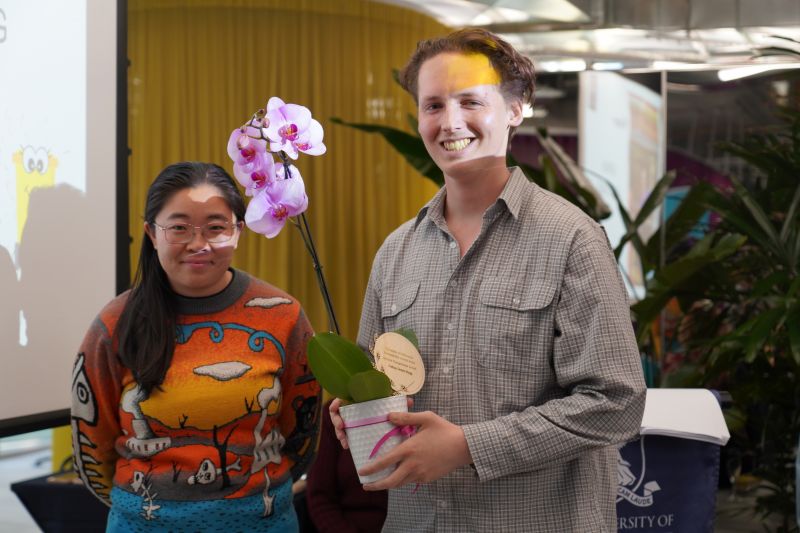
Joshua James Stagg was awarded the Student Changemaker Award for expanding Union Mart, an initiative of UMSU Welfare, which has provided over 6,500 students with free groceries and household products from Foodbank Victoria.
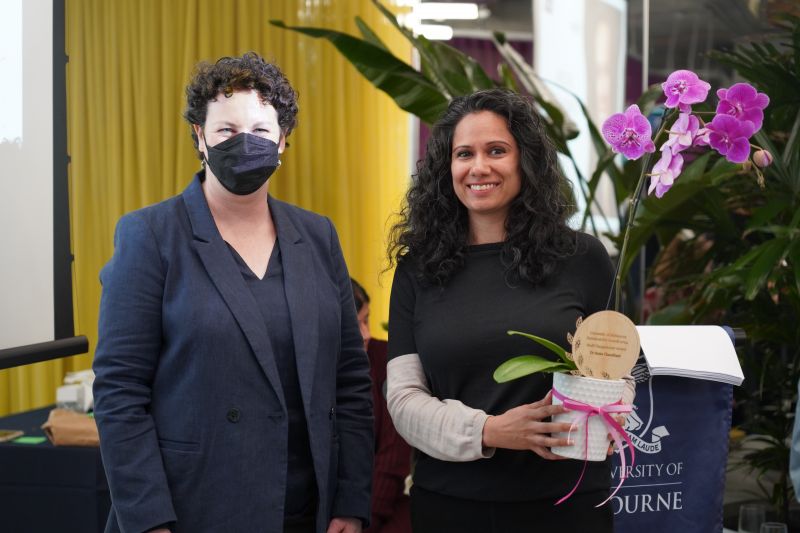
The Staff Changemaker Award was presented to Dr. Sonia Chanchlani for her leadership in developing key sustainability initiatives within healthcare, particularly through integrating climate and health education across the University of Melbourne.
Given the number of excellent projects, six participants were honoured with Highly Commended awards, including students, staff members, and academics who have contributed to embedding sustainability within their work and study areas.
Climate change is a complex challenge, and solutions cannot be found in a single discipline. Launched in 2022, the Melbourne Climate Futures Academy (MCFA) forms a diverse intellectual and interdisciplinary community, drawing from all areas across the University to promote and innovate a rich exchange of ideas.
In 2024, the MCFA was led by Academic Convenors Professor Simon Batterbury and Dr Kelvin Say, and coordinated by PhD candidate Theo Mendez. It includes more than 50 interdisciplinary doctoral and post-doctoral researchers co-located with Melbourne Climate Futures (MCF) in Melbourne Connect. All researchers based at the University of Melbourne undertaking a PhD or postdoctoral fellowship who are working on climate-related projects are invited to join the MCFA.
We believe Melbourne Climate Futures and the MCF Academy has an important contribution to make... as a hub for interdisciplinary training of climate doctoral students and postgraduates embedded in a wider grouping of climate researchers, scholars and practitioners. Professor Jacqueline Peel, MCF Director
The MCF Academy offers strategic scholarships for MCF-supported PhD students recruited in priority areas. It gives early-career researchers access to seasoned academics and practitioners-in-residence, and provides training, networks and experience for young researchers to thrive, and themselves strive for a positive climate future.
As well as regular meetings and opportunities to socialise, Academy members participated in seven training workshops in 2024:
- Energy Transition in Australia with Dr Kelvin Say
- Academic Publishing with Dr Alister Self
- Networking with Amelia Leavesley
- Presenting and PowerPoint with Dr Kelvin Say
- Non-Academic Careers Panel with former Academy members, Anita Talberg (Climate Council), Dimitri Lafleur (Australasian Centre for Corporate Responsibility), and Tim Baxter (Sunrise Project)
- Interdisciplinary Climate Research with Professor Kris Ebi
- Academic Careers Panel with former Academy members, Elly Harrould-Kolieb (SAFES, UoM), Alexei Trundle (ABP, UoM), and Mandy Freund (SGEAS, UoM)
The Academy is also fundamental in coordinating and participating in the MCF Seminar Series. In 2024, there were nine public lectures covering a broad range of research areas:
- Aylin Yildiz Noorda: When Balance Sheets Pollute
- Eileen Jahn: Unravelling Repair and Ownership in South Africa's Electricity System
- Fergus Green: Climate Governance as System Transformation
- Tyler Harlan: The Politics of Energy Flows in the Asia-Pacific
- Will Hopkinson and James Jackson: The 2022 Australian Climate Change Act
- Susan Mizrahi: Global Corporate Sustainability from a CSO Viewpoint
- Adam Bumpus: The Promise and Pitfalls of Climate Tech
- Panel: Greenwashing, Greenhushing, and Greenrinsing
- Mirna Al-Masri: Sustainable Diets and Planetary Health Literacy
These seminar events were supplemented by more informal ‘brown bag’ events organised within the MCFA, which offered members a chance to workshop their research with colleagues in a more informal setting.
Members contribute to a broad range of expertise on climate change and societal transitions and leverage support from MCF to contribute to Pursuit articles, podcast appearances, and media opportunities.
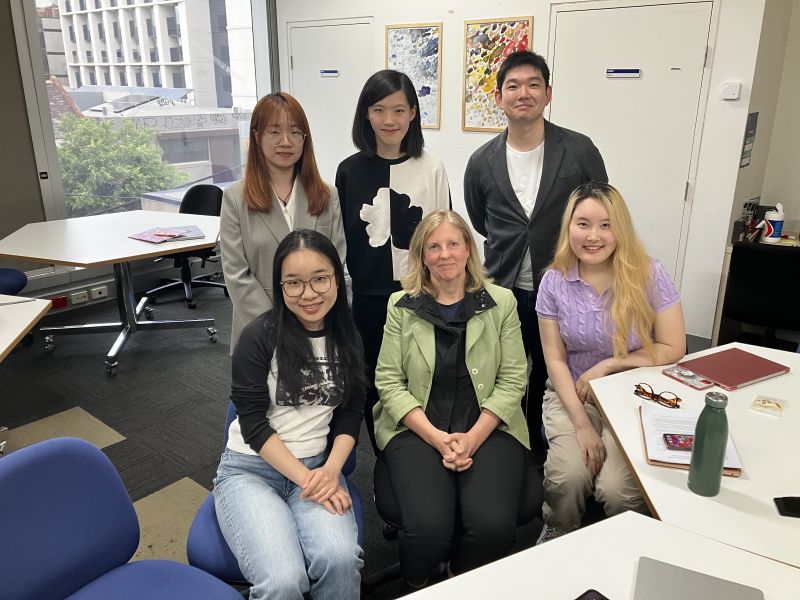
Melbourne Law School’s Sustainability Business Clinic marked a decade of operation in 2024, with its thirtieth client passing through the clinic. Among the three clients supported in 2024, groups of students worked on behalf of National Trust (Victoria). The students completed research on the operation of statutory regimes to protect non-native urban tree canopies, which are essential to mitigate urban heat and provide streetscape amenity. They also explored reform options to achieve better protection, including equipping local councils with model regimes which they can develop using their existing powers to make local laws.
The Sustainability Business Clinic exists within the Melbourne Law Clinics Program, which in 2024 conducted Australian-first research into clinical legal education models for climate law in two different ways.
First, the clinical program oversaw research into the Sustainability Business Clinic. Three distinct strands of impact were identified, constituting a model of for-purpose environmental clinical education evaluation:
- Student sustainability skills development and awareness. The research analysed student reflections and found that the real-life exposure to the environmental goals and legal barriers of their clients built their self-confidence and belief in their capacity to contribute to future a legal system changed by and responsive to environmental and climatic change.
- Direct financial impact on clients by measuring cost savings and value provided.
- Amplifying the environmental mission of enterprise and community groups. The research highlighted the power of legal support from a legal team like a student-led clinic that has a shared environmental purpose with their client (as opposed to the lawyers having a profit purpose). This was evidenced by the different manner of lawyering, including having an openness to providing more-than-legal supports to clients, on sharing these supports with groups working for the same environmental purpose as their client, and advocating to governments and for legal change on topics of interest to their clients.
The second research project examined the Sustainability Business Clinic as one of a number of models for legal education for climate conscious lawyering, alongside outreach legal education clinics, including Melbourne Law School’s Street Law program. This program provided the community legal sector with climate legal education modules that were distributed to communities in the outer eastern suburbs of Melbourne deemed vulnerable to climate risk. The models assessed were litigation-based clinics, enterprise clinics, and policy and community support clinics. They were all shown to be effective running in partnership with existing legal actors.
The research project led to Melbourne Law School's approval of a new Climate Resilience Clinic, which will be offered for the first time in 2025. The Climate Resilience Clinic will be run in partnership with Victoria’s community legal sector and build legal capacity across Victoria within the community legal sector so that locally based lawyers can better respond through the law to extreme weather events, and support Victorians experiencing the effects of climate change.
The impacts of climate change pose immense challenges for nations and communities across the Pacific Islands. Rising sea levels, increased natural disasters, disruptions to food and water security, and loss of biodiversity are just some of the threats Pasifika communities face. Addressing these complex, interconnected issues requires collaborative action that is deeply informed by local knowledge, contexts and leadership.
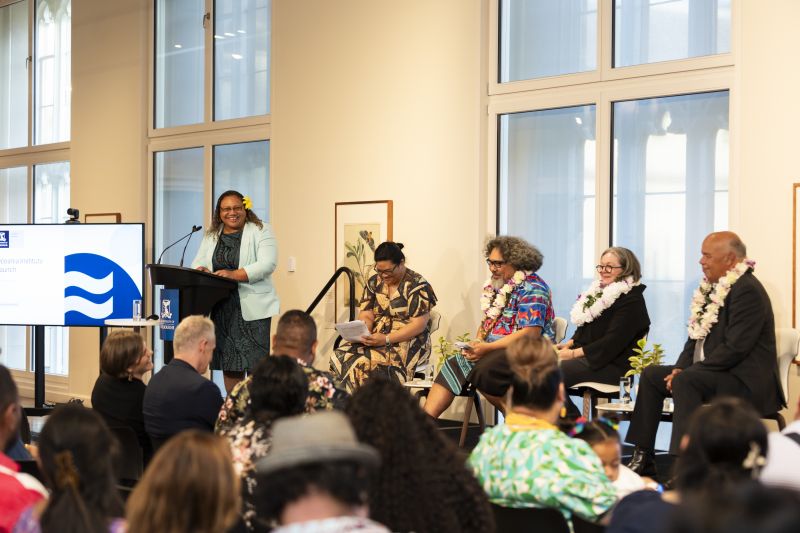
The University of Melbourne's Oceania Institute was established in 2024 to help foster the connections and capacity needed for sustainable development and climate resilience in Oceania. Through its activities in this first year, the Institute has worked to strengthen relationships between researchers, students, professionals and communities.
One focus of the Institute has been to create an inclusive environment that empowers Pasifika voices. The Institute's events in 2024, including its launch, have provided a platform to connect communities and amplify perspectives from the region on topics including public health, disaster management, biodiversity conservation and climate adaptation.
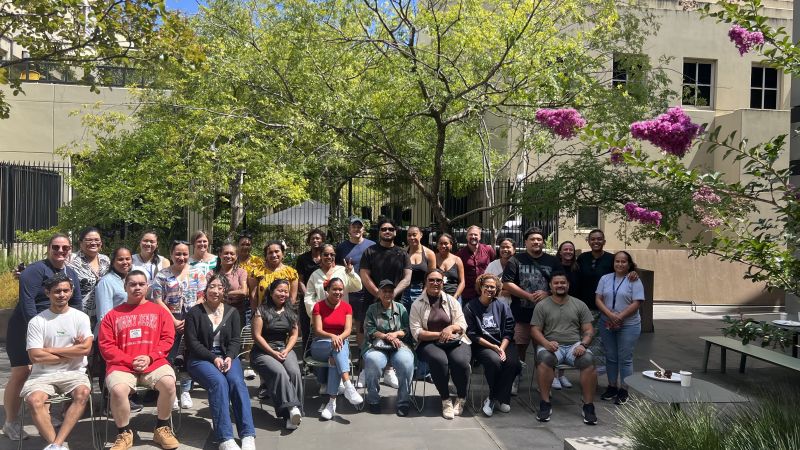
The Vaka Pasifika Student Leadership Program promotes higher education as a vaka (vessel) for navigating career aspirations and further study in a way that is culturally and academically meaningful and accessible. The University welcomed over 200 Pasifika Year 10 students and families from across Victoria to the Parkville campus in 2024, as part of a three-phase initiative in partnership with the Pasifika Schools Network, Know Your Roots Inc, and the University's Engagement and Partnerships team. Phase 1 involved a two-day on-campus event featuring lectures by six Pasifika academics based at the University. Phase 2 brought the students back with their parents for a community day, where the Future Students team presented information about scholarships. In early 2025, Phase 3 will take the program to regional Victoria with a university learning day at the Dookie campus for students from Bendigo-Loddon, Goulburn and Mallee areas.
In 2024, the Institute offered 18 engagement grants of up to $5,000, supporting scholars and professionals from Pacific Islands countries to visit the University to attend conferences, training sessions, workshops, and deliver keynote presentations, intending to build capacity in areas ranging from infectious disease control to sustainable agriculture practices. For instance, a grant supported clinicians from Fiji to visit Melbourne and receive training to improve typhoid monitoring and control.
The Institute strengthened engagement with regional organisations, governments and communities to establish new partnerships, including Memorandums of Understanding with the University of the South Pacific and Solomon Islands National University (SINU) for cooperative research, student mobility and locally relevant curriculum development. In February, the Institute partnered with AsiaLink to host a public lecture and discussions among Melbourne and SINU academics on Indigenous languages, biodiversity, urban planning, peacebuilding, and the changing landscape of higher education in the region.
By taking these initial steps to foster networks and engagement, the Oceania Institute has worked to consolidate foundations for more sustainable and self-determined futures across the Pacific Islands.
Our sustainability strategy
At the University of Melbourne, our efforts in sustainability are guided by Sustainability Plan 2030 - a roadmap for sustainable delivery of our institutional strategy Advancing Melbourne.
Read more about how we are advancing sustainability at the University:
