Scam advice
Scammers make their move through range of channels – from emails, SMSs, and phone calls, right through to dodgy QR codes and social media messages. Your best defence is to learn how to spot a scam, how to protect yourself, and where to turn if you need help.
Spotting a scam
Most scams share the same red flags, so learning to recognise them early could help you avoid falling for one.
Unexpected pressure
Be careful of messages that come out of the blue, especially from unknown senders. Be extra alert if they’re trying to rush you into action or threaten you in any way.

Too good to be true
Scams often pose as exciting offers like grand prizes, incredible job opportunities, scholarships, or unexpected funds (eg. tax refunds). If something seems too good to be true, it probably is.

Sensitive information
Real organisations won't ask for personal or financial details like passwords or banking info via email or SMS. If you suspect a call, hang up and call back using a publicly listed number.
Payment methods
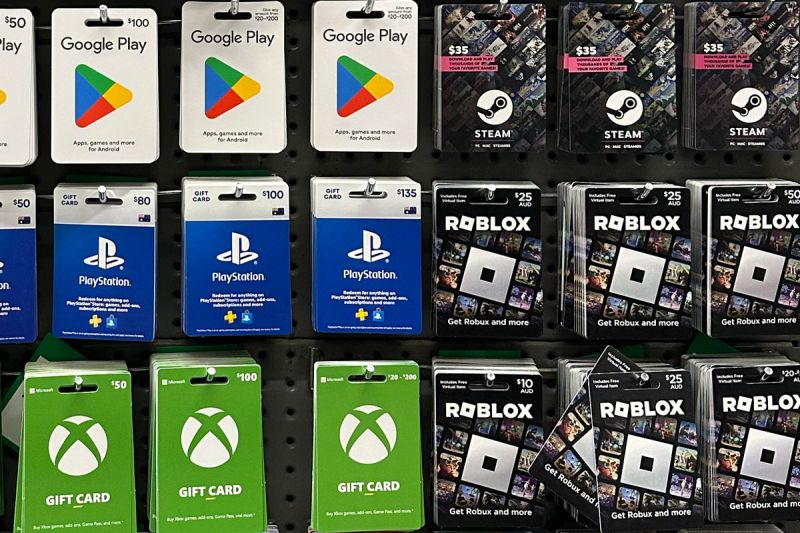
Watch out for requests to pay via gift cards, wire transfers or cryptocurrency. These methods are hard to trace and near impossible to reverse, which is why they’re often used by scammers.
Common scams
Scams come in many forms, but some are more common than others. Below are a few of the most frequently reported scams and how they work, so you know what to look out for.
-
Emails, messages, QR codes, or phone calls that appear to be from a trusted source (like a bank, your school or employer, or even a government department). They’re requesting you to take urgent action – either for something really bad, or something really good.
The main goal is to get you to click a link that will either download and install malware without you knowing, or to trick you into logging into an account on a fake website (eg. a fake Gmail login page). But there are some common red flags to keep an eye out for.
If you receive a phishing email in your University inbox, be sure to report it using the Report button.
Common examples include:
- You receive an email that appears to be from your bank saying your account has been hacked with a link to reset your password. The link is to a fake page that looks like your bank’s, but is really harvesting your login details.
- On social media, you receive a direct message (DM) or comment saying you’ve won! It includes a link for you to claim your prize, but there is no prize. Instead the link takes you to an infected website, and in the background your device is infected with info-stealer or other types of malware.
- An SMS from Australia Post saying you have a package that won’t be delivered unless you click a link and pay additional fees. At best, the scammers have just made some money off you, but at worst they’ve also infected your device with malware.
- Example from ScamWatch: Mother-in-law lost $4000 over a fake tax debt
-
-
Starting on a dating app or social media, scammers match with people and act like they’re interested in starting a romantic relationship. Over time they shower you with love and build trust, before finally asking financial help.
They try to convince you to transfer money, buy gift cards or send crypto payments so they can pay their bills, buy food, buy a ticket to come visit you, or to invest it for you. Once you transfer the money, they disappear – leaving your heartbroken and financially drained.
Common examples include:
- Someone follows you on social media and strikes up a friendship very quickly – building into romance. They say they need help paying for some medical bills and ask if you can help them pay for it, promising to repay you next month. But once you transfer the money, they disappear.
- Example from ScamWatch: Georgina's Facebook fiancé leaves her flat broke
-
You receive an unexpected phone call, email, or message on social media from someone posing as an investment advisor. They promise you huge financial returns if you invest with them, weaving a story about the millions they’ve made, the techniques they’ve discovered, and the guaranteed money you can make with their help.
All you have to do is transfer money to them either through bank transfers or cryptocurrency. The problem is, those bank and crypto accounts are disposable, and they have no intention of investing your money. By the time you’ve transferred the funds, they’ve disappeared.
Common examples include:
- You receive a call from someone who sounds extremely professional, with extensive knowledge of investments. They offer to invest your money, promising amazing returns, and patiently answer all your questions. Over a few months, you transfer more and more money to increase your investment. But suddenly one day they stop replying to your calls and emails, and their website is down. The scammer has run off with your money, and there is almost zero chance of recovering the funds.
- Example from ScamWatch: I lost $50,000 in fake online trading
Learn more about finance scams on Moneysmart.
-
Some scams specifically target current and prospective university students. We've created a separate list of those common scams to help you identify them and stay safe.
Protecting yourself
Protecting yourself from cyber criminals doesn’t have to be difficult or technical. Small actions, like spotting red flags, using strong passwords, and keeping your devices updated, can go a long way to keeping both yourself and the University safe and secure. Click the link below to learn more.
If you've been scammed
If you or someone you know is in immediate danger, call 000.
- If you've encountered a scammer or been scammed, report it to police immediately. For compromised personal or financial information, quickly contact your bank or credit card provider to stop transactions.
- Contact the Cybersecurity team immediately if the incident involves a University of Melbourne account, issued device (eg. laptop or phone), or a University issued credit card.
- Stop contact with the scammers – don't reply to any calls, emails, or messages. Taking screenshots of conversations before blocking them might be helpful for any investigations.
You should also report the incident to Scamwatch online. You'll be contributing to ongoing investigations and helping raise awareness to prevent others from falling victim.
If your personal information has been compromised as a result of a scam, contact IDCARE, Australia's national identity and cyber support service. They offer expert advice on identity theft prevention and recovery, helping you navigate the process effectively
Students
Alongside the Cybersecurity team, the University has several additional support services available that may be able to assist you if a scam has affected your studies. Find out more by clicking the link below.
Staff
For assistance with cyber scams, submit a ticket to the Cybersecurity team using the link below (SSO required). For general scam assistance, staff should contact the Service Centre on +61 3 8344 0888 or log a ticket.