The call you didn’t expect
Vishing is becoming more common as scammers target people by phone. Stay alert to their pressure tactics, and call back in a verified number if unsure.
Back in 2025, cybercriminals successfully stole and leaked the personal information of up to 6 million Qantas customers. How did they do it? Through a social engineering attack on one of the airline’s contact centres, likely through vishing (voice phishing). As the incident made news around the world, we had a glimpse into the world we’re facing today, where vishing is on the rise.
Like phishing emails, vishing scammers pretend to be from a legitimate organisation (like your bank) to trick you into revealing sensitive information or transferring money. It's phishing, but with a human voice on the other end.
Over the last few years, the threat has been growing worldwide, and Australia’s no exception. Scamwatch’s Targeting Scams report warns that while individual reports dropped in 2025, phone scams tend to lead to higher individual losses for the victim, with over $72 million being stolen through vishing in Australia in 2025.
Don’t be fooled though, phishing isn’t going anywhere. Scammers love an email because they can send thousands with minimal effort. But vishing? That requires more legwork. It's targeted, personal, and crucially it often has a bigger payoff. A convincing voice can be far more persuasive than an email, which is exactly why scammers are investing the effort.
Another type of vishing has scammers pretending to be a family member or friend asking for money or gift cards. To thwart these attempts, consider setting up a secret word, something only you and that person would know. If either of you ever feels uncertain, ask for the secret word to verify the caller’s identity.
Fighting back
As AI evolves, crafting the perfect voice to fool people is getting easier, so it’s important that you know how to fight back. Be suspicious of calls pressuring you to act fast or demanding personal information. Remember, reputable companies and government agencies won't yell at you down the phone or demand immediate action. Your best defence is to simply hang up if you’re unsure and call the organisation back using a number from their official website or another trusted source (like the back of your bank card).
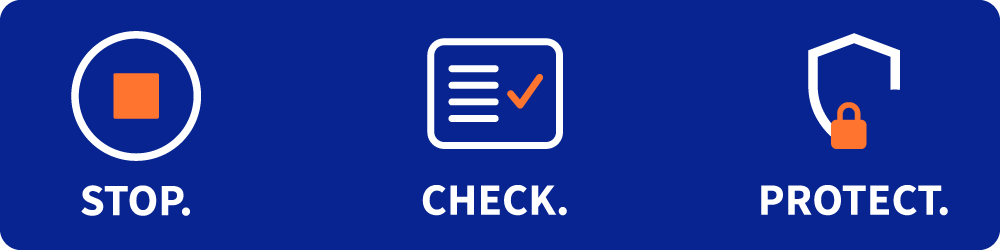
Scams thrive on panic and speed. By taking a moment to stop and take a breath, check the caller's identity, and protect your information before acting, you're already ahead of the game.
Want to know more?
Visit our scam advice page or head to Scamwatch for more information on vishing and other scams.