2025 Sustainability Report
Campuses as living laboratories
Domain: Amplifying action through campus and communities
Aspiration to 2030: The University’s campuses and operations enable real-world opportunities to develop, test and apply sustainability skills and solutions.

| Target | Target status | Progress in 2025 |
|---|---|---|
| The University has curated living laboratories covering the priority areas of this Plan. |  |
|
Our progress
Campus living laboratories
Since Sustainability Plan 2030 was released in 2022, the University has taken key steps to establish a suite of living laboratories across the institution. The Campus Living Lab Accelerator Program provided $100,000 in funding to eight living laboratories in 2024-2025, with project partners from six Faculties, three portfolios, Melbourne Climate Futures, Melbourne Biodiversity Institute and the Melbourne Social Equity Institute. Projects covered topics including sustainability in curriculum, food security and the circular economy, responsible investments and sustainable building occupancy, biodiversity and sustainable building material prototyping.
Across the University, Faculties and Chancellery portfolios developed living laboratories which respond to sustainability challenges on our campuses and in our communities:
- The Faculty of Medicine, Dentistry and Health Sciences runs the Healthcare Carbon Lab (HCL) addressing the pressing challenge of healthcare's environmental footprint. The Lab offers students opportunities to work on real-world problems around how health services and health organisations, including the Faculty, can improve their environmental sustainability and carbon footprint.
- In 2025, the Faculty of Architecture, Building and Planning established the Sustainability Grants program to catalyse staff-led, cross-disciplinary sustainability initiatives that operate as living laboratories within the Faculty. This marks a shift from ad hoc living laboratory activity in the Faculty towards a Faculty-wide framework that allows staff to design, trial and document practical sustainability interventions.
- The Sustainability team engaged nine interns and provided input into nine subjects, supporting student learning by providing real world examples of sustainability challenges and solutions on the University’s campuses.
Our stories
Enhancing sustainability education through the Native Plant Garden living lab
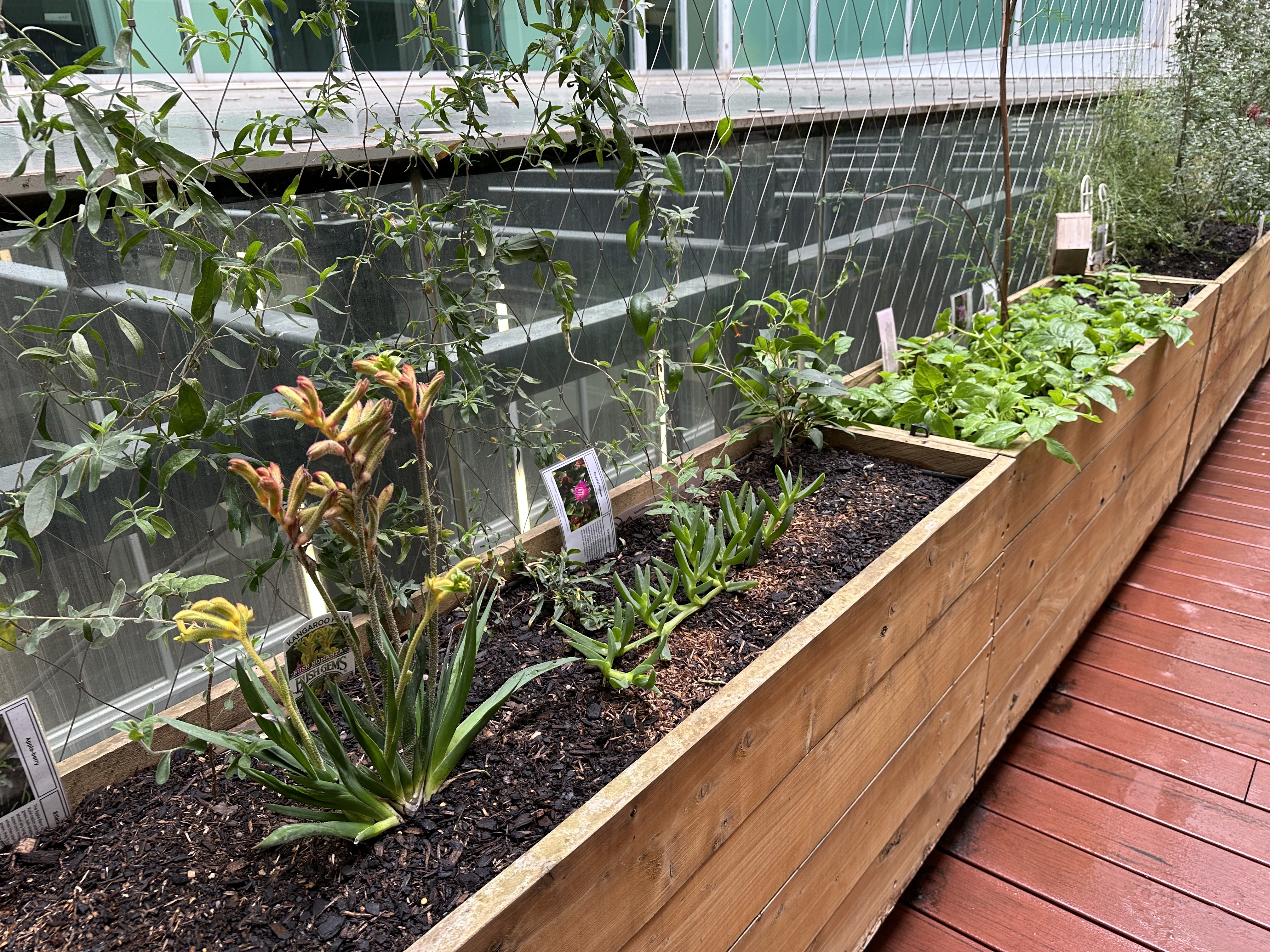
In 2025, the Faculty of Education launched the Native Plant Garden living laboratory to strengthen sustainability learning for pre-service teachers through immersive, interdisciplinary experiences. Led by Dr Emily Rochette, the project brought together academic staff, the Student Experience team and external experts to co‑design five professional learning workshops. These sessions explored environmental, social and economic sustainability through Indigenous knowledges, native plant distribution on the Australian continent, storytelling and wellbeing.
The living laboratory advanced multiple Sustainability Plan 2030 priorities, including integrating sustainability into the curriculum and promoting Indigenous-led knowledge sharing. Participants reported increased wellbeing, a stronger sense of belonging and improved understanding of how to incorporate native plants and local ecologies into teaching practice. They highlighted the value of a practical and authentic approach. One student reflected, “It was a great opportunity to see, in action, how one might incorporate Indigenous knowledges into the classroom: Excellent hands-on learning we don't often get the opportunity to do.” Early engagement extended beyond the intended cohort of Master of Teaching students, with Master of Education students and academic staff also participating in the project.
Infrastructure improvements such as installing a grow stand and developing a Native Plant Garden resource library contributed to the learning environment and laid foundations for ongoing professional development. Unexpected benefits included increased social media visibility and new opportunities for student employment and research. The project has also built a growing community of practice, showcasing appetite for interdisciplinary sustainability learning. Follow‑on activities include a planned research project on professional learning experiences, future professional learning programs and the development of a website to support wider engagement.
Participation in the Campus Living Lab Accelerator Program was central to the project’s success, enabling expert-led workshops, enhanced collaboration, and long‑term capability-building across the Faculty.
A living lab approach to circular food systems and student food security
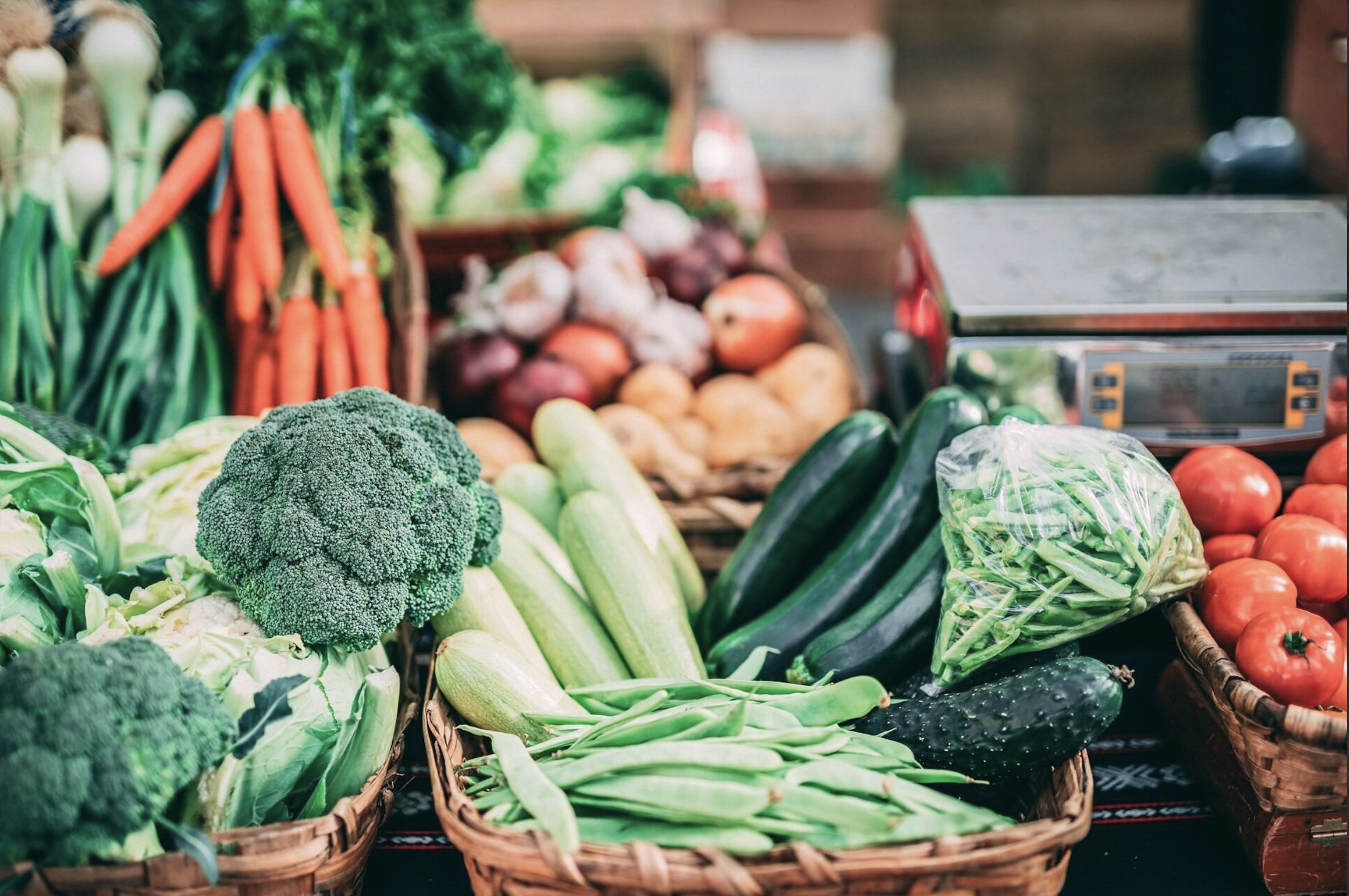
The Circular Economy for Greater Food Security living laboratory explored how circular food systems could improve student access to nutritious and affordable meals while reducing food waste. Facilitated by the Melbourne Social Equity Institute and co-funded by the Campus Living Lab Accelerator Program, the project brought together the social enterprise STREAT (within the Purpose Precinct at the Queen Victoria Market), the University’s Food Programs team and three student interns from the Faculty of Arts, who developed proposals to advance circular economy initiatives tailored to the University context.
Through fieldwork at the Queen Victoria Market and engagement with partners, interns generated several concepts for stakeholders to select a feasible, high‑impact option: the development of shelf‑stable soup and meal kits made from rescued and dehydrated surplus vegetables. This model avoids the need for refrigerated transport and storage, enabling low‑cost, accessible meal stations to be placed across campus. STREAT and the Purpose Precinct are now progressing product development, marking a significant step towards integrating circular economy principles into the University’s food system.
Key learnings included the importance of partnering with the right stakeholders, the value of being onsite to assess feasibility, and the fresh thinking students bring to complex problems. The project strengthened academic networks and supported new collaborations with students researching food security and culturally familiar foods. It has led to follow‑on activities in 2026, including student projects through the Faculty of Business and Economics WorkHub program, nutritional analysis by Food Science students (planned for Semester 2, 2026) and an upcoming research program on student food access.
Interactive Campus Material and Carbon Atlas
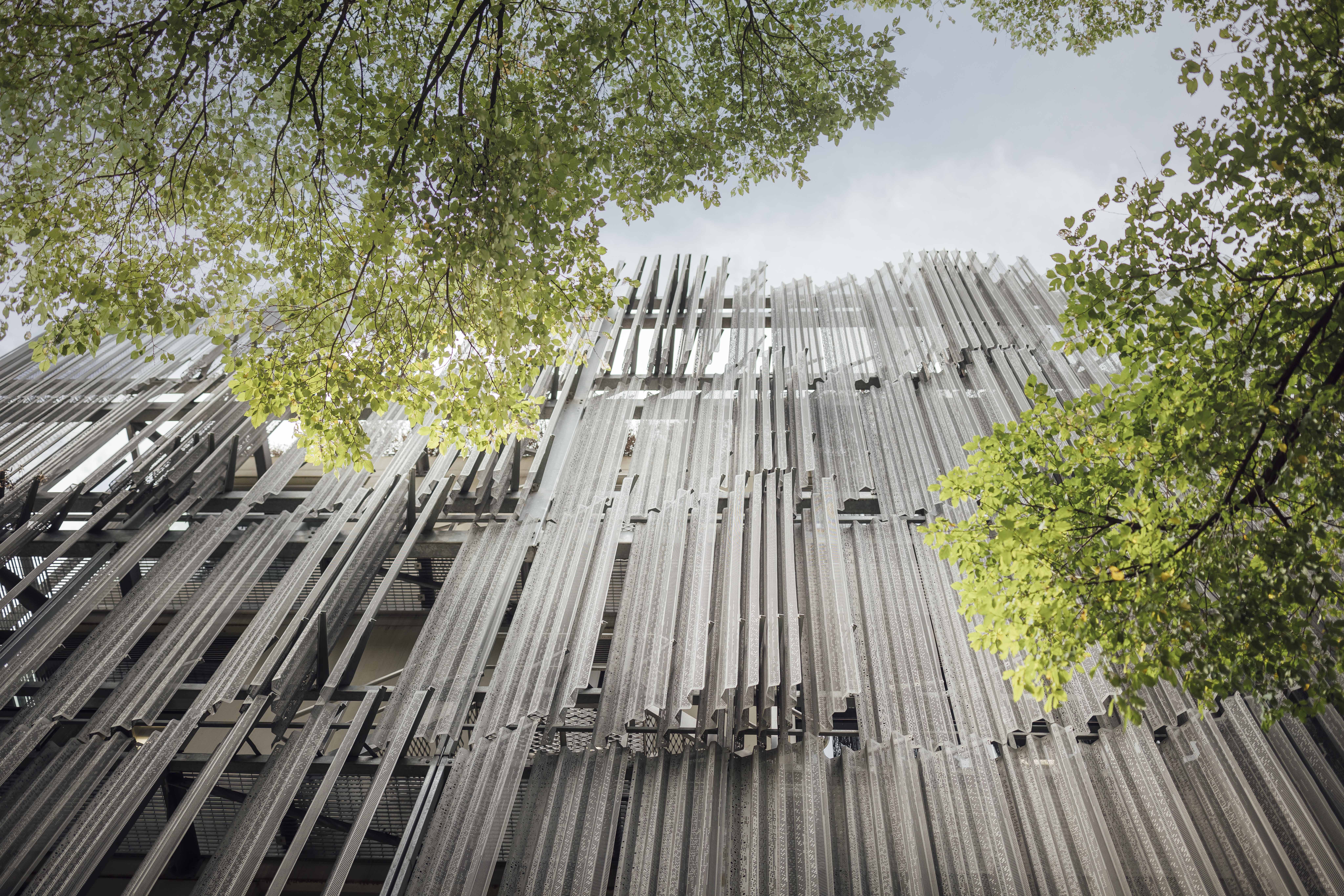
The Interactive Campus Material and Carbon Atlas is a living laboratory project led by the Faculty of Architecture, Building and Planning that delivers a new evidence base for understanding and managing the University’s built asset portfolio. Developed through a Learning and Teaching Initiative, the project brought together academic staff, professional colleagues and students to map construction materials and embodied carbon across selected University buildings.
The Atlas is an interactive digital tool that enables users to explore building-level material stocks, embodied carbon intensities, and opportunities for reuse and circularity. It extends beyond retrospective analysis by enabling forward projection of material demand and carbon implications under different renewal, retrofit, and development scenarios.
The Atlas provides decision-support capability for estate planning, capital works prioritisation and long-term carbon reduction strategies. It supports more informed material choices, reuse pathways and embodied carbon mitigation. It embeds sustainability learning within real-world University contexts, enabling students to engage with applied climate action. At a sector level, the project also demonstrates how universities can function as living laboratories – translating sustainability research into practical tools that inform institutional decision-making and can be replicated across the higher education sector.
Our sustainability strategy
At the University of Melbourne, our efforts in sustainability are guided by Sustainability Plan 2030 - a roadmap for sustainable delivery of the University's Strategy 2030: Resilience.
Read more about how we are advancing sustainability at the University:
