Featured content
Co Designing Urban Resilience
Cities face increasing frequency, duration and intensity of acute shocks, such as storms, and chronic stresses, such as economic inequality. Multiple and overlapping hazards threaten to disrupt lives, livelihoods and progress towards sustainable development. Shocks and stresses are interdependent, further increasing the complexity of challenges to be addressed. For example, the chronic stress of poverty can exacerbate the impact of the acute shock of extreme heat on vulnerable individuals and families; flooding can cause infrastructure failures through disruption to power, water and transport networks. The complexity of urban hazards mean that they cannot be addressed by any single agency, sector or discipline. Working with stakeholders and communities is an essential part of developing strategies, policies and programs for resilience to complex hazards in cities.
Our work is underpinned by co-design principles and methods. Our purpose is to:
- Co-produce research and innovation outcomes to enhance the resilience of the City of Melbourne
- Contribute world-class, scholarly research on sustainable, resilient and healthy cities
- Demonstrate a constructive, dynamic relationship between the university and the city, as an international model of best practice
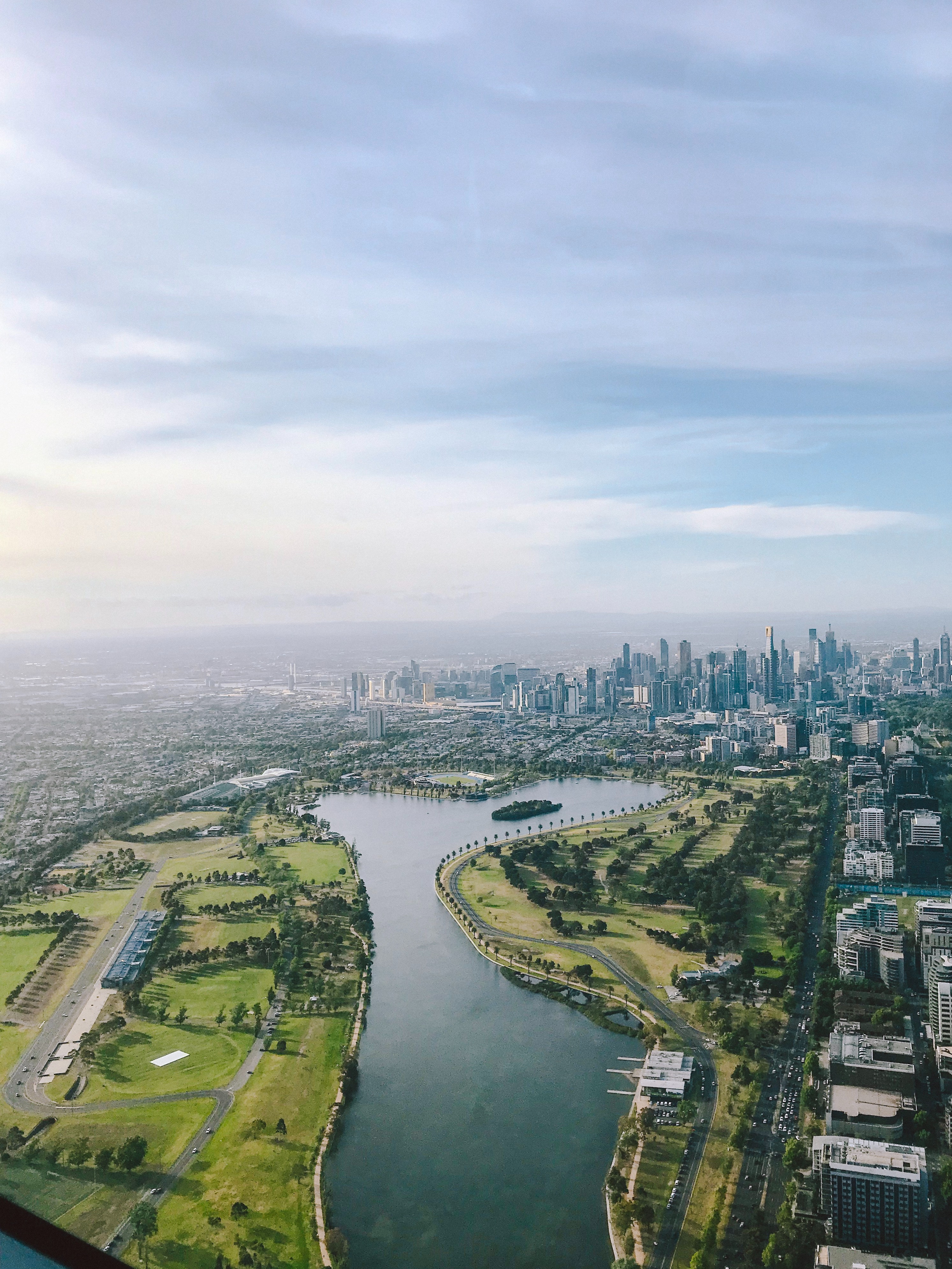
Urban resilience is the capacity of individuals, communities, institutions, businesses, and systems within a city to adapt, survive and thrive no matter what kind of chronic stresses and acute shocks we experience, and to positively transform as a result. The Urban Resilience and Innovation Program in the Melbourne Centre for Cities interrogates the relationships between urban decision-making and resilience, using action research in partnership with the City of Melbourne and key stakeholders. The Urban Resilience Framework for Local Government underpins the Urban Resilience and Innovation Program, highlighting the core qualities of resilient urban systems as: prepared, robust, spare capacity, diverse, reflective, integrated, inclusive, flexible, future-focused, and innovative.
Co-design is based on the principles that an end-user of a particular design has the right to have a voice in the design process. Engaging stakeholders, communities and users in design and delivery of urban systems is essential to improve urban and community resilience. Our co-design approach draws on the Bottom-Up Infrastructure method.
Our Co-designing Urban Resilience work program has two main themes:
- Retrofitting cities for resilience to climate, biodiversity and public health emergencies. Visit the Retrofit Lab for more information.
- Climate justice involving vulnerable communities in decisions about social and technical actions to improve climate resilience.
Project team

Marita Doak