Born in 1914, Arno Herpe grew up in Essen, Germany before emigrating to Australia and graduating from the University in 1939. He served in World War II in Papua New Guinea where he gained immense respect for the Indigenous people from Australia, New Zealand and Papua New Guinea who saved his life on multiple occasions. It became his wish to provide them with enduring support.
Through a gift to the University left in his Will, Mr Herpe’s vision is being realised through a valuable bursary offered to students of Indigenous and/or South Pacific descent.
In 2024, the University celebrates 25 years of student support through the Arno Herpe Bursary. Here, current and former recipients Brittany and Cam share how the bursary is assisting them through their studies and beyond.
Brittany Biles
Third-year Bachelor of Fine Arts (Music Theatre) student
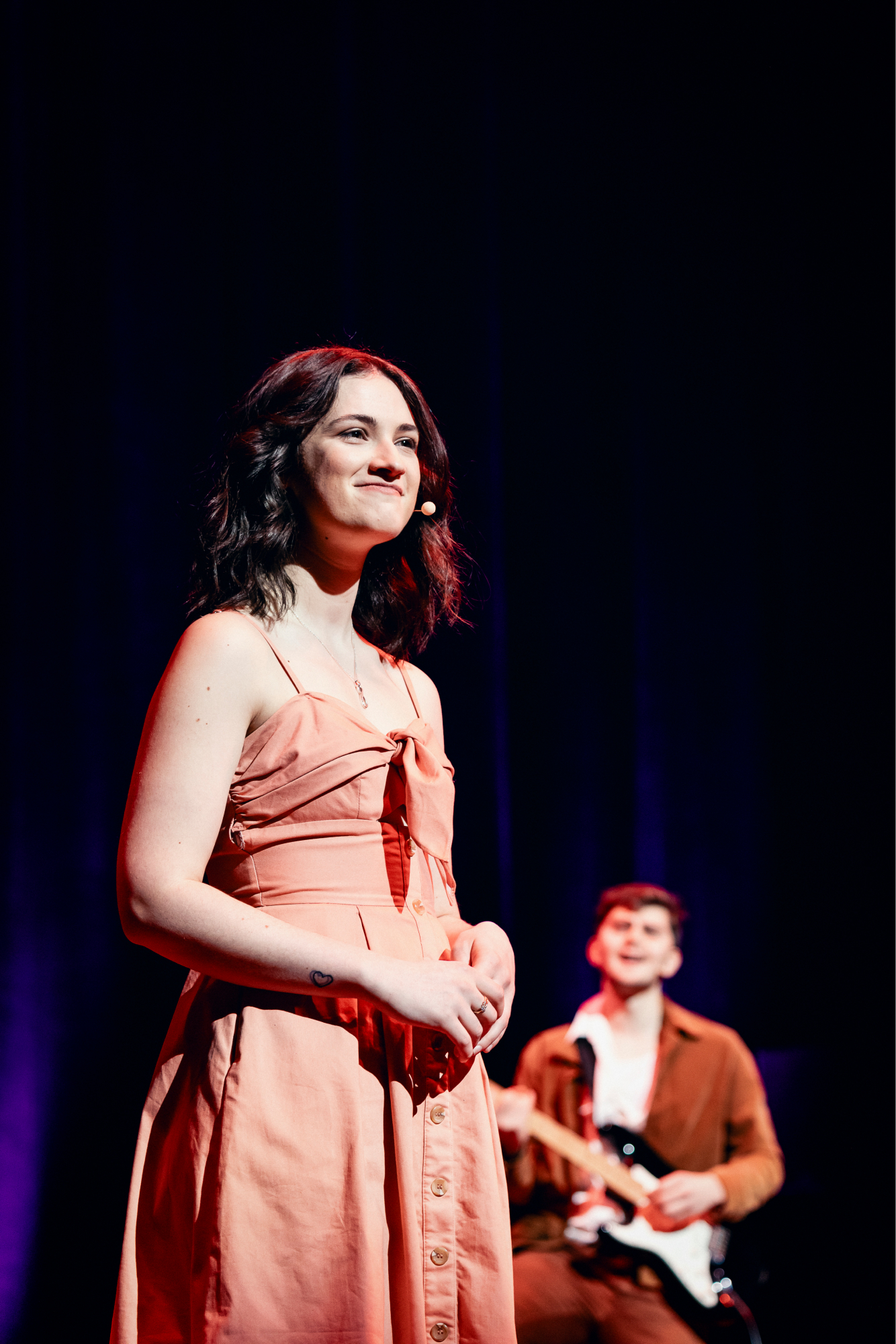
One of the best phone calls of my life happened a few years ago when I was offered a place in the Music Theatre course at the Victorian College of the Arts (VCA). My answer was an immediate yes – I couldn’t wait for the opportunity to study in what I think is the most culturally rich city in Australia.
It’s a very physically demanding course, but it’s so much fun. As a third-year student, we are in classes full-time, Monday to Friday, from dancing and acting to longer afternoon rehearsals for musicals.
When I found out that I was selected for the Arno Herpe Bursary, I was honoured that someone saw my application and chose to support me. It has made all the difference, because I can put all my energy into learning instead of chasing casual work. It gives me the chance to properly rest, put my best foot forward and avoid burnout.
It has also helped me move to Southbank, where I’m only a five-minute walk from campus. I used to travel an hour at the end of each day, which was exhausting, so moving closer has been a huge relief.
As a Ngemba Murrawarri woman from Central New South Wales, I have always celebrated my cultural identity growing up with my parents and my family around me. That has transpired into feeling proud whenever I see Indigenous people in shows, and so I’ve always wanted to become a point of representation in shows as well.
I believe it’s so important that the right people are representing the right stories, and that’s been a challenge for me because I don’t appear Indigenous. I found solace in connecting with on- campus support for Indigenous student artists through the Wilin Centre, who talked with me and assured me I am just as worthy of claiming my Indigeneity as those with darker skin.

Brittany Biles performing during Arts Centre Melbourne’s Morning Melodies program in 2024 with the VCA.
Through the support of the Wilin Centre and the vote of confidence I’ve received as an Arno Herpe Bursary recipient, I’m working on growing my confidence and finding my place as an Indigenous artist.
With the support of donors, a lot more is possible for students like me. We get to explore ourselves and see just how far we can go in our journeys while we’re growing up at university. And for Indigenous students, the more welcome we feel, the more our stories can be told.
Dr Cam Raw
Bachelor of Veterinary Science alum (2013) | Lecturer and Assistant Dean (Indigenous), Melbourne Veterinary School, Faculty of Science
Growing up in Tasmania, I dreamt of being a veterinarian since I was very young, so I was excited to be accepted into the best veterinary school in Australia. But if it weren’t for the financial support of the Arno Herpe Bursary, I may not have been able to seize the opportunities that led me to where I am now.
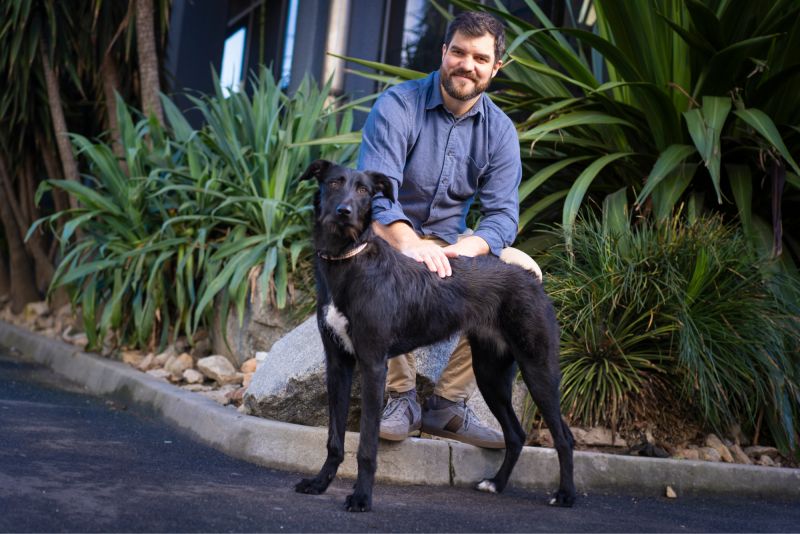
Dr Cam Raw.
In my final year of vet school, I went on a placement in Arnhem Land in the Northern Territory, an opportunity I couldn’t have afforded otherwise. Being a Palawa man, of Tasmanian Aboriginal descent, I wanted to find a way that I could connect my studies to supporting Indigenous communities, and this trip to Arnhem Land allowed me to do that. Now, in my role as Lecturer and Assistant Dean (Indigenous) within the Faculty of Science, this program has become a feature of my work over the past 10 years.
Professor Liz Tudor AM first started the West Arnhem Land Dog Health Program (WALDHeP) in 2004 to provide essential veterinary services to the communities of West Arnhem. When I went as a student in 2013, it was a small program with just three vets and three students. Ten years later, we are delivering vet services to about 15 different communities in East and West Arnhem Land that otherwise have very little to no access to vet services for their animals.
After working in Arnhem Land for long periods, I developed an interest in how we can maximise the impact of this work with often constrained resources, which led to my PhD research focused on the One Health approach. It’s a relatively new concept in western science, but the understanding that human health, animal health and the environment are all inextricably linked is something that has been in Aboriginal Cultures for tens of thousands of years.
It’s an approach that can have a big impact in Arnhem Land. For example, there are certain parasite infections that may be spread between wildlife, dogs and people through the environment. To understand how best to help combat these infections, we need to consider the dogs’ relationship to their environment and people, including important social and cultural factors.
It’s led me to further appreciate the importance of diversity in the vet profession, which is another reason why student support is so valuable. Diversity is only going to make for a stronger profession better suited to serve a diverse society.
I am hugely grateful to people who have supported me. It’s a powerful thing to influence the life of one person, but in turn, influence the lives of many more through the actions you empower them to take.
Stay connected
Your diverse alumni network offers unique opportunities for you to grow personally and professionally. Explore events, lectures, inspiring stories, global groups, and so much more.
-
Find an alumni event
From public lectures to alumni events that keep your community connected across the globe, see what’s on at the University of Melbourne.
-
Find a group
Join a vibrant alumni network in your local area to boost your career, build friendships, or connect with like-minded individuals.
-
Alumni Council
The Alumni Council champions your community worldwide, shaping events, student experience and more. Learn how to get involved.
How can we help?
FAQs and contact details
Find helpful answers to common questions or contact the alumni office.
Stay in the know
Learn how to set up your UniMelb account to access perks and discounts.
UniMelb account log in
Access your account to update your personal details and access benefits.