Do No Harm: A Week of Art, Advocacy, and Action for Planetary Health
Wattle Fellow Dr. Tanishka Brahmanand's Action Project brings planetary health consciousness to life through art.
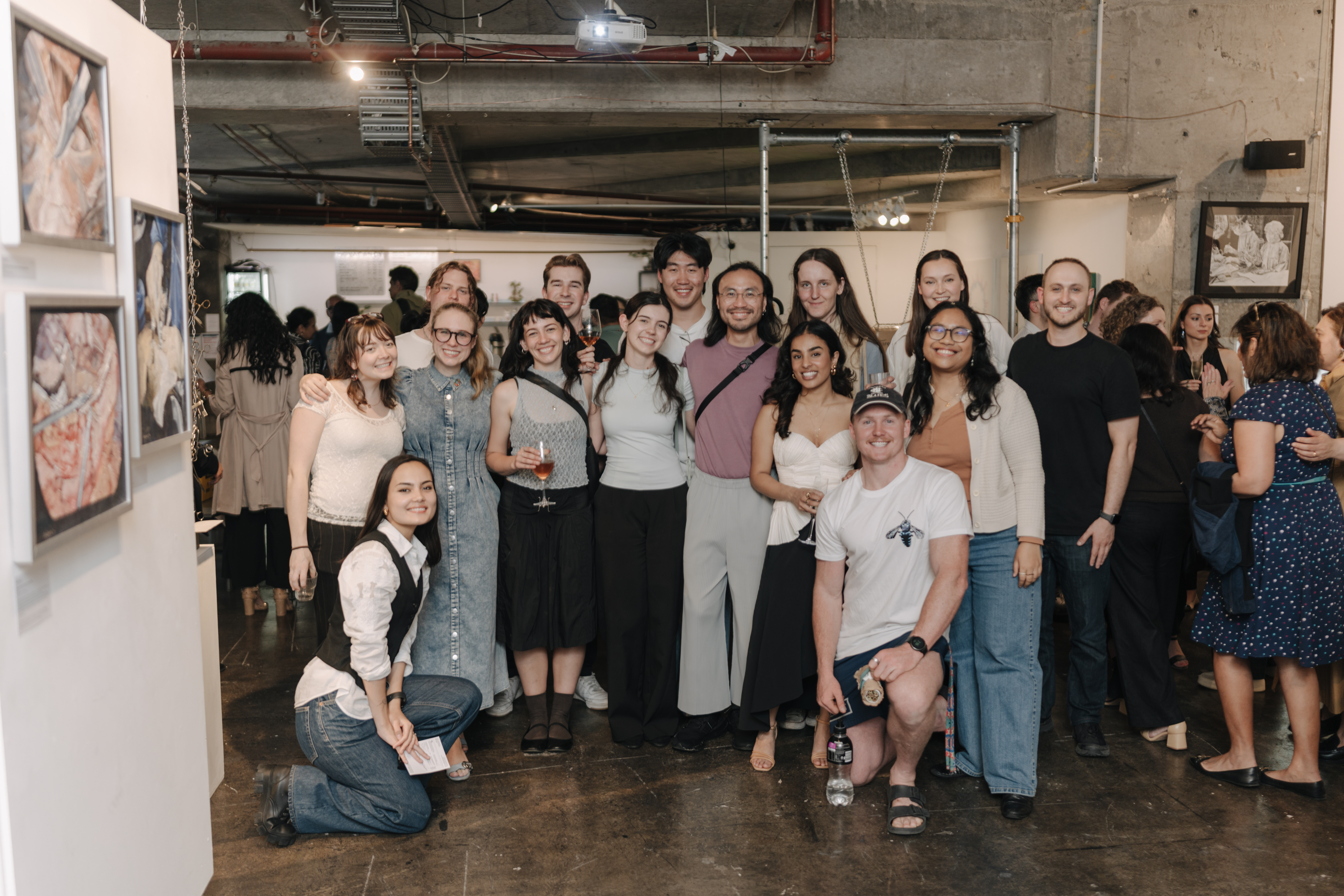
Over the week of October 27th, over 400 visitors walked through the doors of No Vacancy Gallery in Melbourne's CBD for the Do No Harm: Reflections on Healthcare event. The mixed arts exhibition challenged the community in how we think about the healthcare industry's impact on the planet.
The exhibition was the culmination of Dr. Tanishka Brahmanand's Wattle Fellowship Action Project. Tany brough together ten artists including Adedolapo Boluwatife, Kaanchi Chopra, Frankey Chung, Maria Koijck, Dr Liz Hu, Edwina Green, Professor David Karoly, Janet Laurence, and Dr Bob Smith, whose work explored the question of:
How can we build a healthcare system that heals both people and the planet?
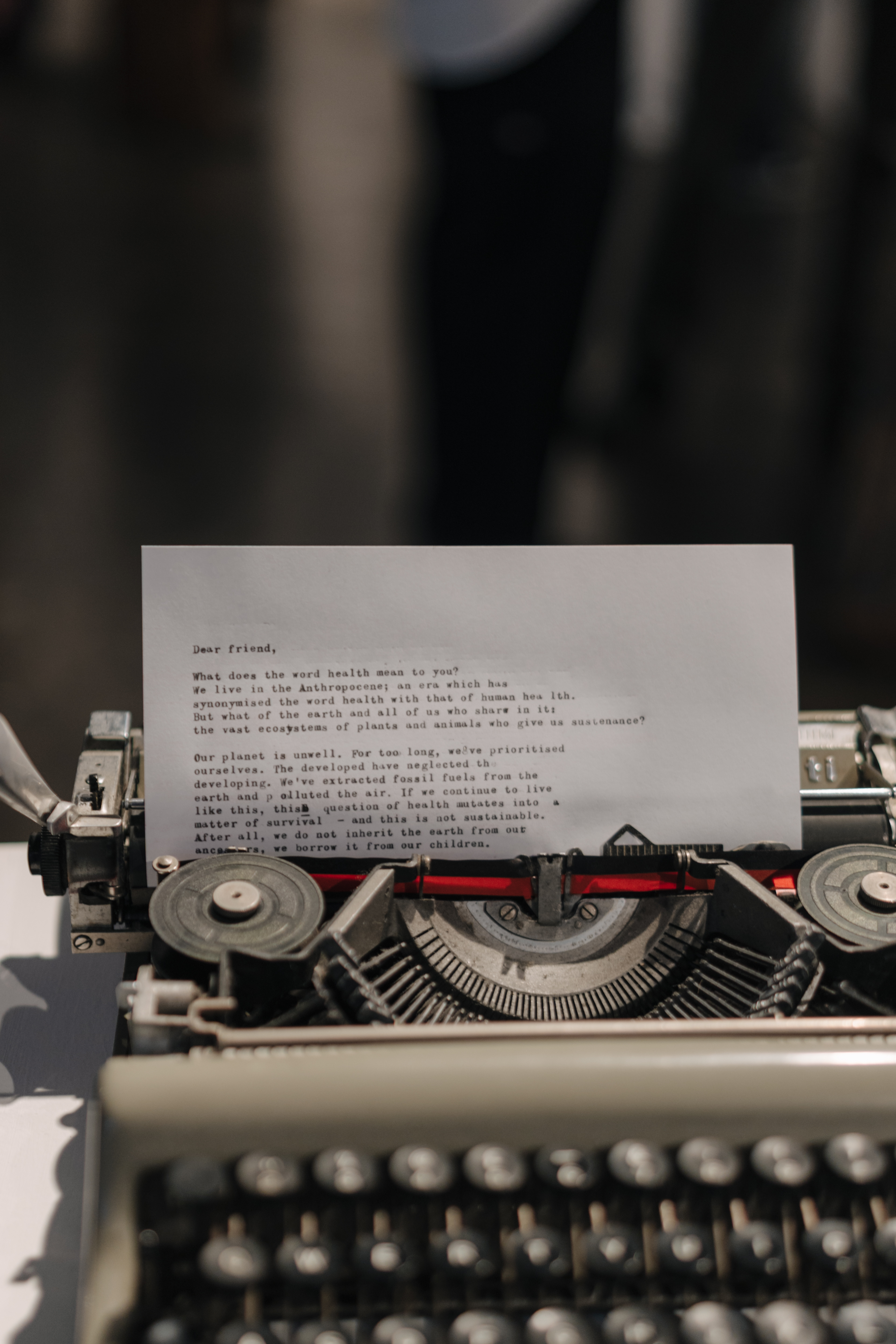
The exhibition featured paintings, assemblages, photography, and installations. Many artists even used medical waste as their material, placing the environmental cost of healthcare front and centre to all.
A Week of Deep Engagement
The Wattle Fellowship community also showed up in force, with Alumni facilitating a series of workshops and events that brought planetary health concepts into the space.
Bleed Lightly, opened up educational, stigma-free conversations about the environmental impacts of menstrual waste and sustainable alternatives.
Climate Health Writing, created space for collaborative exploration, by giving participants dedicated time to explore the connection through collaborative writing.
Bee the Change taught participants about Australia’s native bees and practical ways to support biodiversity.
Growing with Country, launched the book ‘Growing with Country: A Guide for Gardening with Native Edibles on Dja Dja Wurrung Country’, connecting Indigenous knowledge, food sovereignty, and ecological restoration.
Roundtable Discussions
A roundtable was also hosted on discussing Unconventional Approaches to Waste, which saw academic and industry leaders brought together to tackle the big questions:
What actually counts as waste?
When is it justified?
What would a world without waste look like?
Professor David Karoly reframed the conversation: "There isn't such thing as waste, just material that hasn't been used." Whereas, Guy Abrahams from CLIMARTE put it directly: "We have a crisis of imagination, and the arts can help with that."
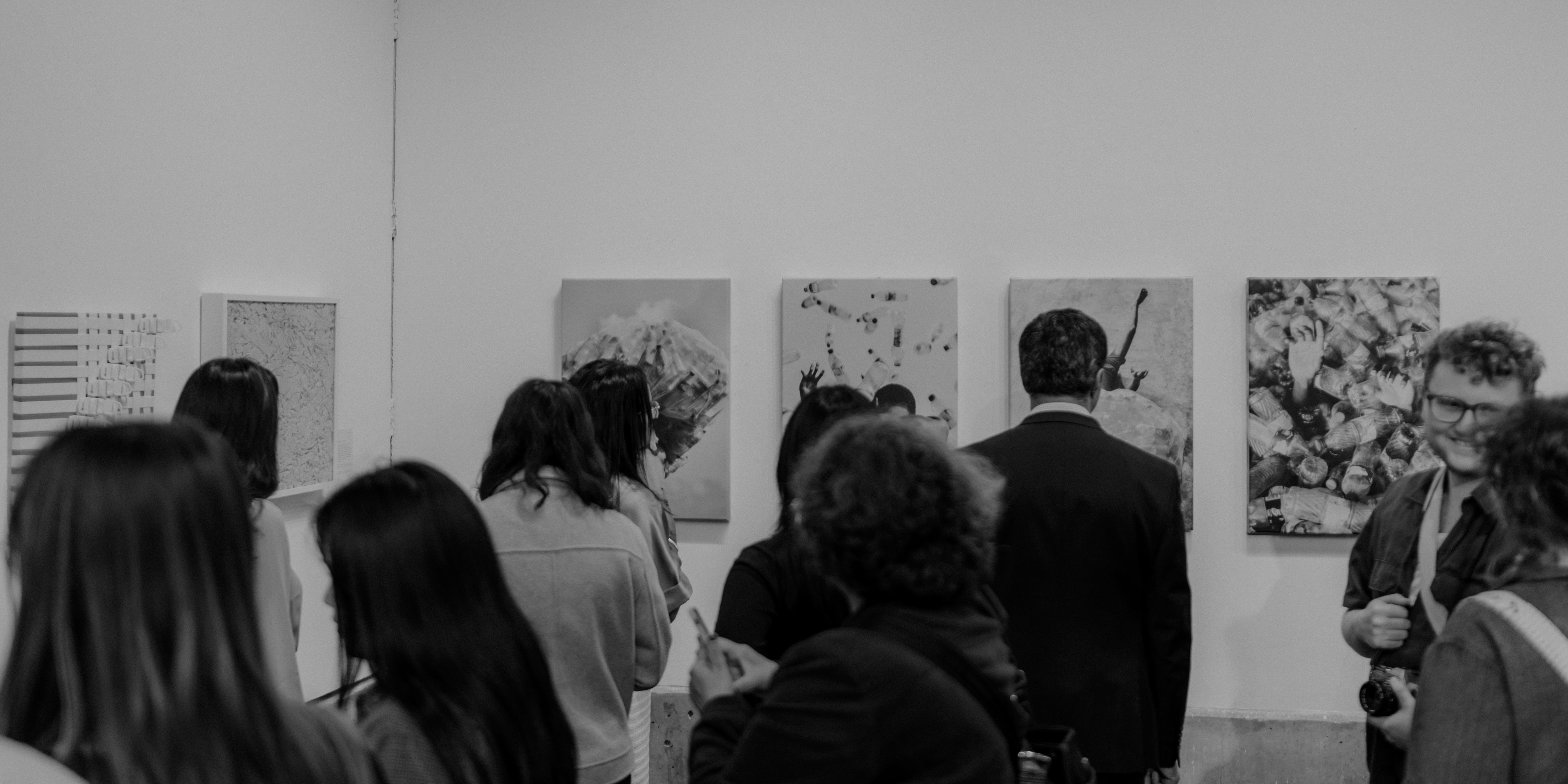
These conversations looked at waste not just as a disposal problem but as a design challenge requiring cultural, institutional, and imaginative shifts.
What’s Next?
Do No Harm was officially co-hosted by CLIMARTE and the Wattle Fellowship, with support from Medical Pantry, Doctors for the Environment, The University of
Melbourne, and The Blackbird Foundation. The exhibition will form the basis of an impact evaluation exploring artivism (art as activism) as an intervention in shaping planetary health consciousness and inspiring climate action.
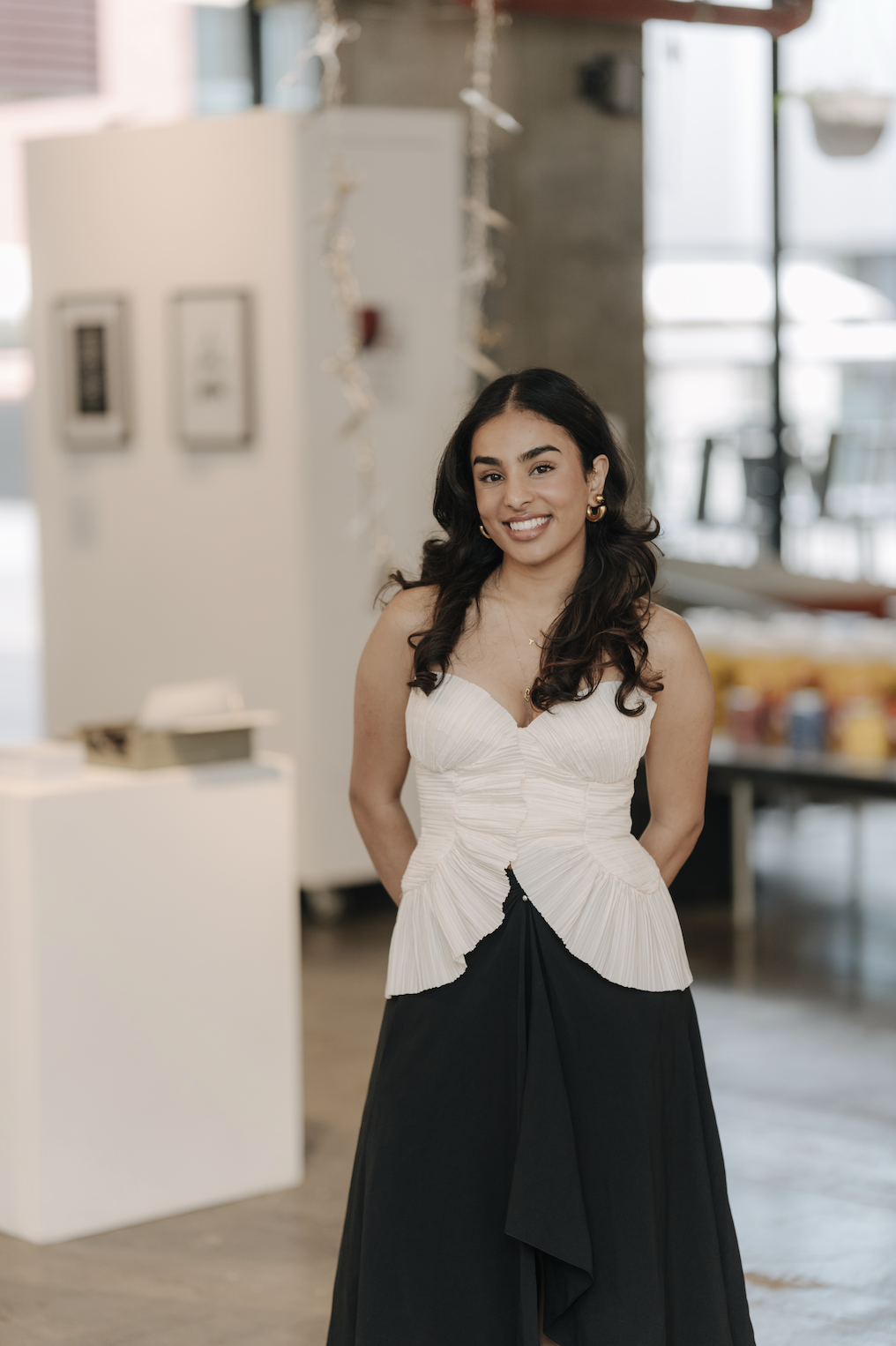
For Tany, this exhibition represents months of work through her Wattle Fellowship Action Project. But for the visitors who walked through those gallery doors, for the workshop participants who engaged deeply with these ideas, and for the broader movement toward regenerative healthcare, this is just the beginning.
The gallery doors have closed, but the conversations continue.
Want to see how Tany's project came together? Watch her Spotlight presentation from our Cohort 4 event series.
Thinking about your own Action Project? Learn more about the Wattle Fellowship and how we support people to bring their climate ideas to life.