Celebrating 150 years of the Faculty of Medicine, Dentistry and Health Sciences

The University of Melbourne’s Faculty of Medicine, Dentistry and Health Sciences is marking 150 years of medical breakthroughs, partnerships and progress which have shaped modern healthcare in Australia and around the world.
This month the University recognises 150 years since the passing of the statute to change the School of Medicine into a faculty.
As the Faculty - which is the University’s largest and now includes dentistry and health sciences - celebrates this milestone, archival material from its Medical History Museum shows how medical thinking and practice have evolved since 1876.
Clinicians once considered removing all teeth a standard practical solution; premature babies were routinely intubated at birth and hospital wards were once filled with polio patients in iron lungs.
Today, partnerships, bold thinkers and unexpected discoveries have transformed those approaches and reshaped modern healthcare.
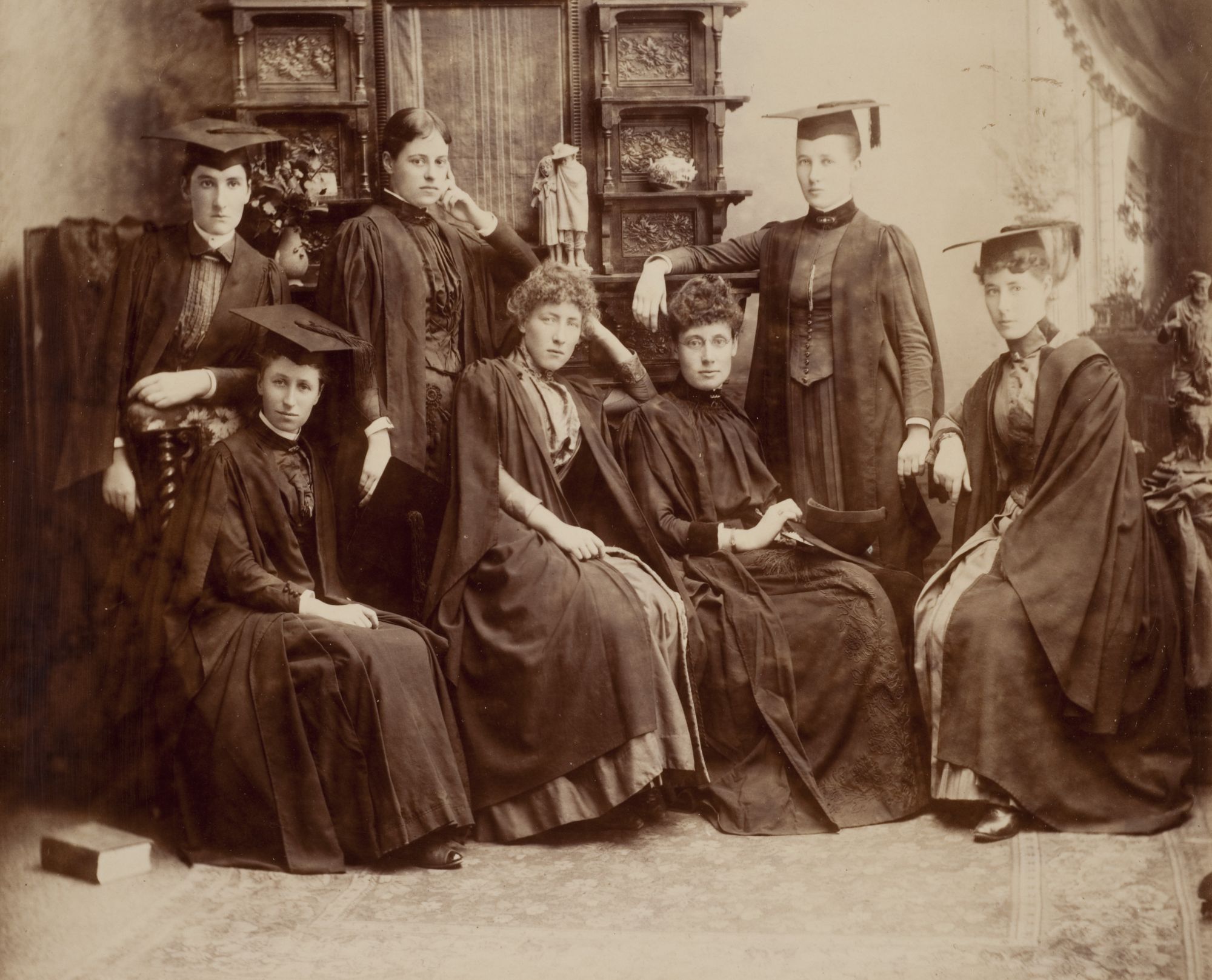
First women students at the University of Melbourne School of Medicine, 1887. Pictured left to right - top row: Helen Sexton, Lilian Alexander, Annie O'Hara; bottom row: Clara Stone, Margaret Whyte, Grace Vale, and Elizabeth O'Hara. Source: Medical History Museum, Faculty of MDHS
Pioneering University alum, psychiatrist Dr John Cade AO, was the first to identify lithium as a treatment for manic depression in 1948, transforming mental healthcare worldwide.
Professor Ruth Bishop AO’s discovery of rotavirus at the Melbourne Children's campus in 1973 led to a vaccine that has saved thousands of lives around the world.
The archives also highlight social change within the medical profession. Hospitals once begrudgingly accepted medical students into wards, whereas today clinical schools form the foundation of medical training.
Women belatedly gained admission to study medicine from 1887, six years after other university degrees were opened to them.
Acting Dean Professor Mike McGuckin said the 150th anniversary offers a chance to reflect on the partnerships that made this progress possible.
“For 150 years, our faculty has driven advances in health discovery, education and care, not just in Australia but globally,” Professor McGuckin said.
“Our history shows that real progress in healthcare comes through collaboration, whether with hospitals, research institutes, industry or communities.”
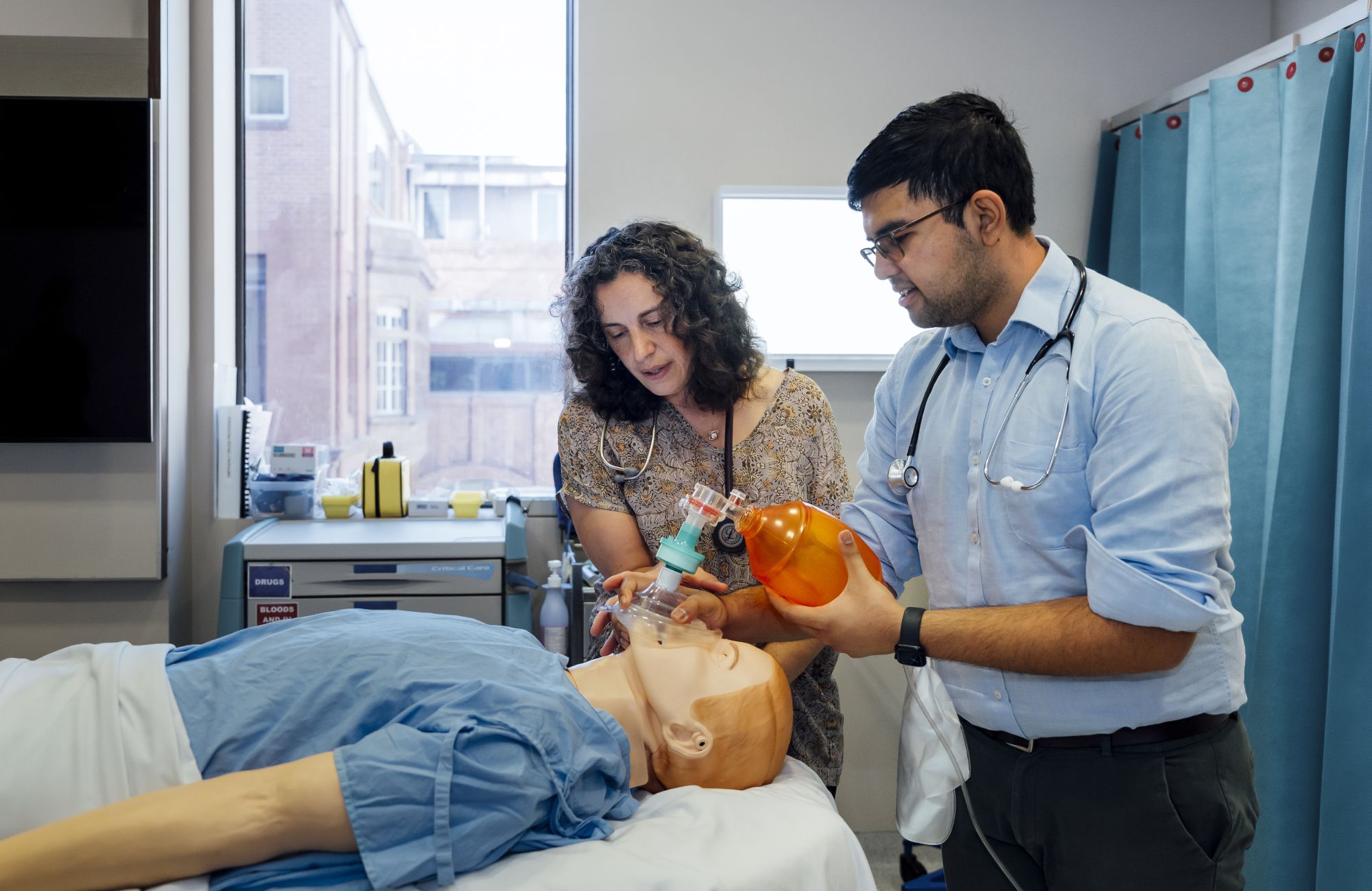 Clinical Schools: Dr Christine Sammartino and student Farhan Islam practice airway management on a dummy at St Vincent's Clinical School. Image by Wren Steiner.
More than 78,000 doctors, nurses, dentists and other allied health professionals have graduated from the Faculty over 150 years, and seven Nobel Laureates in Physiology or Medicine and Peace have taught, studied and researched at the University of Melbourne.
Interim Vice-Chancellor Professor Glyn Davis AC said the Faculty’s central role in Australia’s medical research sector and health workforce education was more important than ever.
“At a time when public trust in science and evidence is being tested, our long-standing hospital and research partnerships and our alumni working in healthcare continue to deliver meaningful, real-world impact,” Professor Davis said.
Through this milestone, the Faculty also acknowledges the historic practices that harmed Aboriginal and Torres Strait Islander peoples.
Some of the faculty’s most famed researchers and leaders, who made immense contributions to their fields, also promoted racist ideas and were part of organisations that promoted eugenics.
For many decades, the Anatomy Department amassed one of the largest collections of Indigenous skeletal remains ever assembled.
In recent years, the University of Melbourne has sought to acknowledge and publicly address this troubled history through the publication of Dhoombak Goobgoowana, which also celebrates the role Aboriginal and Torres Strait Islander people play as researchers, staff, students and partners.
Looking ahead, Professor McGuckin said the Faculty plans to build its legacy by fostering more diverse, global and interdisciplinary collaborations while supporting the next generation of healthcare leaders.
“As we mark this milestone, we are not only reflecting on where we’ve been, we are also looking to the future.
“Progress in health has always been a collective effort, and the partnerships we build today will shape what comes next,” he said.
Read impact stories from the Faculty of Medicine, Dentistry and Health Sciences.