Museums Victoria partnership harnesses AI-powered biodiversity research
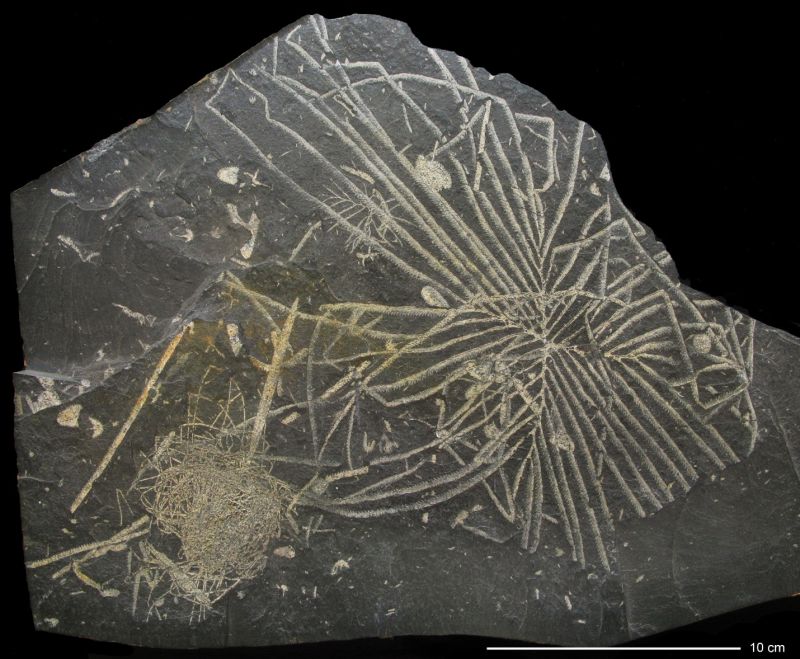
AI-powered research developed at the University of Melbourne which is advancing access to biodiversity data and shaving years off processing times will be used in a new partnership with Museums Victoria.
The herbarium specimen sheet pipeline, or ‘Hespi’ for short, is an AI-powered tool by researchers at University of Melbourne that vastly improves the extraction and digitisation of critical biodiversity data recorded on plant specimens held in natural history collections around the world.
Traditionally, digitising Herbarium specimens has been done manually and, as a result, is slow and time-consuming.
Dr Jo Birch, School of Biosciences and Herbarium Curator at the University of Melbourne said the innovative tool was born out of wanting to find a better, faster way to mobilise and share the wealth of data recorded on the thousands of plant specimens in the University’s Herbarium.
“Accurate biodiversity data are critical for understanding and managing natural resources, biosecurity and our changing climate and habitats. Yet only a small percentage of museum and herbarium specimens globally are digitised and easily accessible,” Dr Birch said.
“Our research shows that Hespi has the potential to revolutionise access to these sought after data, and in doing so, support research to slow biodiversity loss and achieve sustainable resource management.”
Hespi’s design and validation was recently published in the international journal BioScience.
“Hespi combines many different AI components into a single tool to easily extract rich information from images of herbarium specimen sheets,” explained Dr Robert Turnbull from the University of Melbourne’s School of Computing and Information Systems.
“We built Hespi to be simple, flexible and open source, so that herbaria around the world can use it to accelerate digitisation. The more rapidly we can mobilise biodiversity data, the faster researchers can address urgent questions about ecology, evolution, and conservation.”
In the first major project between the University of Melbourne and Museums Victoria, made possible with seed funding from the McCoy Project, Hespi will be used to mobilise data for 12,500 specimens in Museums Victoria’s Graptolite collection.
Museums Victoria Research Institute Director, Dr Nurin Veis described the importance of the new collaboration for advancing research in biodiversity.
"This university-industry partnership is key to addressing the monumental task of digitising our science collections. These data are invaluable for researchers seeking to understand global biodiversity and tackle the current crisis of biodiversity loss and habitat destruction,” Dr Veis said.
“The extension of this technology to museum collections will significantly streamline the process of cataloguing, organising, and analysing specimens, further enhancing the research potential of specimens housed at Museums Victoria.”
Read more about the newly published research on Hespi in the The Conversation.