Virtual emergency department for people with diabetes now online
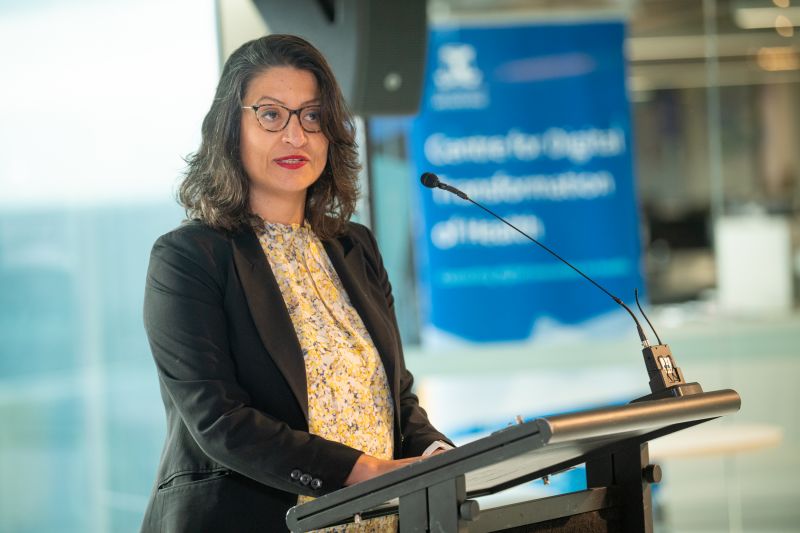
A specialised virtual emergency department catering for people living with diabetes will improve access to care at the time of an emergency, while taking pressure off stretched hospital wards across Victoria.
The Australian Centre for Accelerating Diabetes Innovations (ACADI) and Victorian Virtual Emergency Department (VVED) launched the service earlier this month as an extension of the VVED, which was established in 2020to reduce avoidable hospital admissions.
The new virtual service, called VVED Diabetes, will provide free video consultations to people with diabetes suffering urgent non life-threatening complications.
The service, delivered by diabetes nurse practitioners and emergency clinicians, provides a lifeline to those living in regional and remote areas, where access to urgent care is often limited.
University of Melbourne Professor and ACADI Director Elif Ekinci, who led the initiative, said, “diabetes is the fastest growing chronic health condition in Australia and those living with the disease must constantly manage their blood sugar levels to prevent serious spikes or drops.The new virtual ED, allowing patients access to care immediately, will reduce the risk of further deterioration in their health, and will assist in breaking down the city to country divide by offering immediate support to those who would otherwise travel long distances for an in-person medical consult.”
VVED Clinical Director Loren Sher said, “since launching more than three years ago, VVED has supported more than 300,000 patients and helped prevent unnecessary hospital presentations, freeing up beds for critically ill patients. Offering a diabetes specific service will ensure those living with the disease aren’t having to be put on lengthy ED waitlists and can receive the right care at the right time.”
The second stage, expected to be rolled out later this year, will see Ambulance Victoria paramedics work in conjunction with the virtual clinic to test ketone levels for people with diabetes. Blood ketone level testing kits check whether patients have developed diabetic ketoacidosis, a serious complication where the body can’t produce enough insulin. Each patient’s condition will be carefully assessed to determine whether they can be safely managed at home.
Northern Health endocrinologist Dr Ben Nash, who will oversee the virtual service said, “equipping paramedics with ketone testing is a gamechanger. Up until now, most cases of hyperglycaemia attended by paramedics are transported to a hospital. Ketone testing will allow for rapid identification and management of suspected diabetic ketoacidosis, while also identifying those that can be safely managed at home.”
Professor Jane Gunn AO, Dean in the Faculty of Medicine, Dentistry and Health Sciences, said the Victorian Virtual Emergency Department Diabetes Service could be adapted by other healthcare services.
“The emergence of telehealth and video consults has revolutionised clinical practice in recent years, and this clinic is another example of how collaboration between service providers and research institutions can inform new models of care for people living with chronic conditions.”
The clinical operations of the diabetes virtual ED was funded by the Victorian Government, while research relating to the clinic was funded via a $915,823 National Health and Medical Research Council grant.
The clinic will also work with key partners including the Royal Flying Doctors Service and Diabetes Victoria to reach patients across Victoria.