Shaping the city
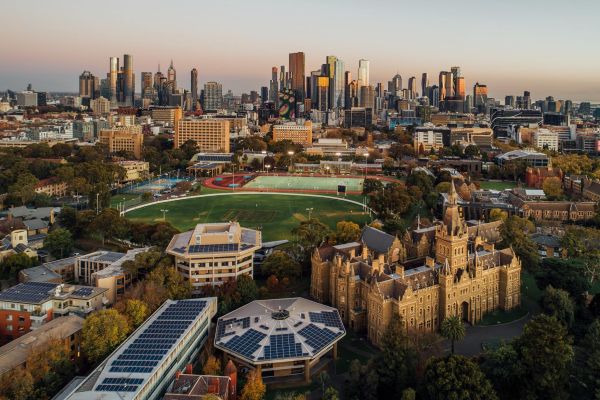
Melbourne's future will be shaped by decisions about housing, planning, infrastructure, sustainability and resilience. As our city grows, important questions arise about creating places which are liveable, connected and environmentally sustainable.
Explore our research and thought leadership related to Melbourne Assembly
-
Nature-strips gardens are a paradise for pollinators in your street
How road verges are being transformed into native habitat and with more insect pollinators coming to visit
-
Your house may be a haven for wildlife. It’s time we design homes with nature in mind
Native species nest, forage and sleep in our homes. These encounters show buildings have become de facto habitat for many animals with whom we share our cities.
-
We've reconstructed Melbourne's 200-year -old forests
Before it was streets and suburbs, Melbourne was a rich landscape of forests, swamps and grasslands. Our new Map of the Month is rebuilding it for the first time – tree by tree.
-
Bee Highway
Bees are critical to our biodiversity, but they’re in trouble. Our Map of the Month tells us where some of our most charismatic native bees live in the City of Melbourne and the plants that support them.
-
What makes cities livable?
Panellists at the Burnley Campus explored how cities can balance social, environmental and economic priorities to create communities that are not only functional, but inclusive, sustainable and connected.
-
Greening more resilient cities with Woody Meadows
A pioneering urban greening approach transforming Australian cities into vibrant and biodiverse spaces has been released to the public, empowering home gardeners and land managers.
-
We can grow our way out of this building crisis
Standard materials like concrete and steel allow us to build fast, cheaply and at scale. They also have huge environmental impacts. It’s time for the circular revolution.
-
A fairer world without destroying the planet? It's possible
Imagine a future where everyone has enough, on a planet that stays liveable. A new report makes a compelling case it's within reach.
-
What AI data centres really mean for Australia's water supply
While viral claims about water use don't hold up, the real story is worth understanding. It comes down to where these centres are built, what water they use and how they report it.

Greening more resilient cities with Woody Meadows
Developed at the University of Melbourne, ‘Woody Meadows’ are redefining how councils, communities and developers design and maintain landscapes – turning concrete jungles into thriving green spaces.
Stay connected with Melbourne
The University of Melbourne invests approximately $1.6 billion annually in research that supports Melbourne’s economy, strengthens communities, tackles major challenges and develops the city’s future leaders and innovators.
Impact showcases research highlights from across our faculties and precincts: our discoveries, collaborations, and innovations. These critical contributions to our nation's future are made possible by the brilliant work of our people and partners.
Pursuit provides the latest news, analysis, research, and insights from world-leading minds.