Two decades of impact
Dr David Joseph Bickart (1893-1969) built a life defined by caring for others. A respected medical practitioner known for his calm temperament and compassion, he combined a successful career in medicine with a deep interest in advancing medical knowledge.
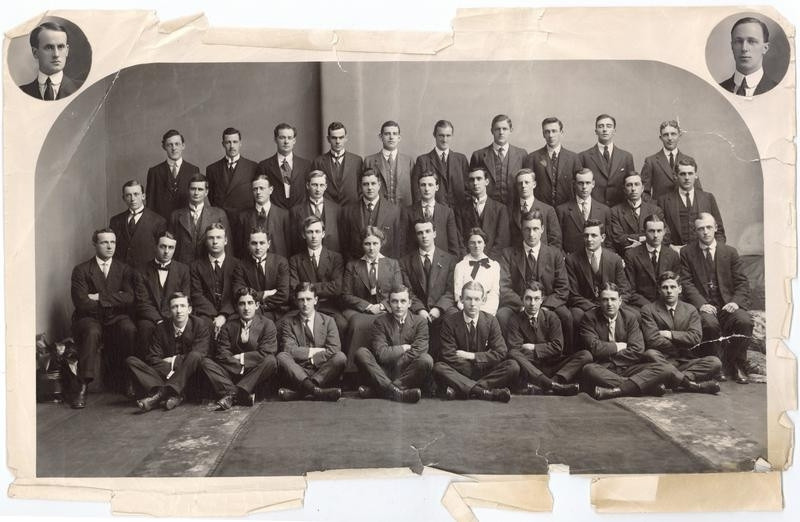
After graduating with an MBBS (Bachelor of Medicine and Bachelor of Surgery) from the University of Melbourne in 1915, Dr Bickart served as a captain in the Australian Army Medical Corps during the First World War before establishing a general practice in regional Victoria and later, Melbourne. His commitment to medicine continued throughout his life.
In 2005, the University learned that Dr Bickart had left a remarkable gift to the Melbourne Medical School, which remains one of the largest bequests to the School to date. Inspired by his belief in the importance of medical research and training, Dr Bickart’s generosity now supports clinician-researchers to drive meaningful advances in health and medicine.
Researchers like Professor Piero Perucca (PhD 2017) are among those contributing to the kind of progress Dr Bickart hoped to see.
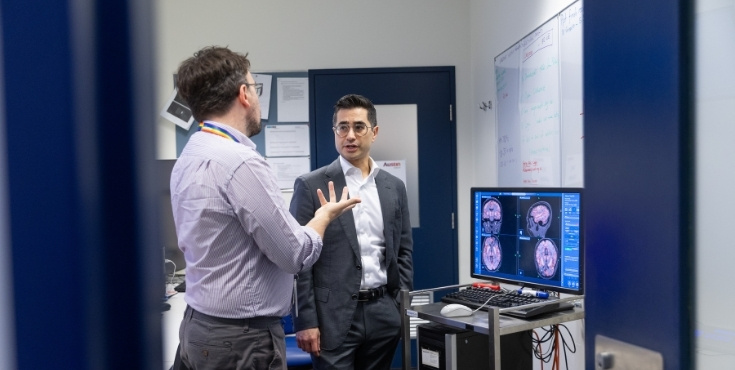
Professor Perucca leads the epilepsy program at Austin Health and works at the Melbourne Brain Centre, where clinicians and researchers collaborate to improve the understanding and treatment of epilepsy. His research explores the genetic mechanisms behind epilepsy and a range of conditions that accompany it – recognising that these conditions have a biological relationship with the disease, not just a reactive effect.
When asked why neurology fascinates him, the answer quickly moves beyond medicine.
“The brain is so incredibly complex,” he says. “Not only is it involved in the control of different organs and systems, it's at the very core of why we exist, how we are as human beings, and the concept of consciousness.”
Epilepsy is a profoundly multi-faceted condition, affecting more than 160,000 Australians and an estimated 50 million people globally. Over the past century, researchers have made significant advances in understanding epilepsy and developing new treatments. Yet for many people, seizures remain difficult to control.
For Professor Perucca, this is not a reflection of limited progress, but a call to push further: “It’s an incredible stimulus for us to do things better.”
“We're on the cusp of a major change in the way we think about the treatment of epilepsy.”
Two decades after the first David Bickart Clinician Research Fellow was announced, Dr Bickart’s generosity continues to drive discoveries that could transform treatment and improve the lives of people living with neurological disease.
Professor Perucca shares, “I am most grateful to the Bickart Family. The support from the Dr David Bickart Bequest has been instrumental. It has allowed me to establish and grow a successful research program on epilepsy diagnosis and management.”
By supporting leaders in their specialty fields, Dr Bickart's legacy is raising the bar for medical research in Australia and fostering a collaborative network of researchers committed to creating meaningful change.
This article was first published in Chiron. Read the original article.
Learn more about giving
Delve into stories of donor impact or find public lectures, gallery openings and more.
-
Impact of giving
The generosity of our donor community can be felt across industries – and will continue to improve lives for generations to come. Learn more about how our supporters are building a brighter future.
-
Ways to give
Whether you’d like to make a one-off gift or explore other meaningful options like leaving a gift in your Will, there are plenty of ways you can give to the University for a brighter future.
-
News and events
Stay connected with your passionate University community through thought-provoking public lectures, events celebrating our donor community or expert commentary on global issues.
How can we help?
FAQs and contact details
Find helpful answers to common questions and specialised contact details.
Give to education and research
Learn how you can support students and researchers.
Ways to give
Explore the varied and meaningful ways you can give towards a brighter future for all.