About the Hub
The Latin America–Australia Urban Futures Hub connects researchers, governments, industry and communities to advance collaborative urban research, innovation and knowledge exchange between Australia and Latin America. By bringing together complementary expertise, the Hub translates research into policy and practice.
Latin America is internationally recognised for its leadership in biodiversity conservation, community-led planning, environmental justice and regenerative development, while Australia offers strengths in sustainable cities, urban governance and climate resilience. Together, these perspectives create opportunities for reciprocal learning and innovative responses to shared urban challenges.
Bringing these perspectives together fosters meaningful knowledge exchanges, cultivates partnerships, and opens up new pathways for addressing common regional priorities.
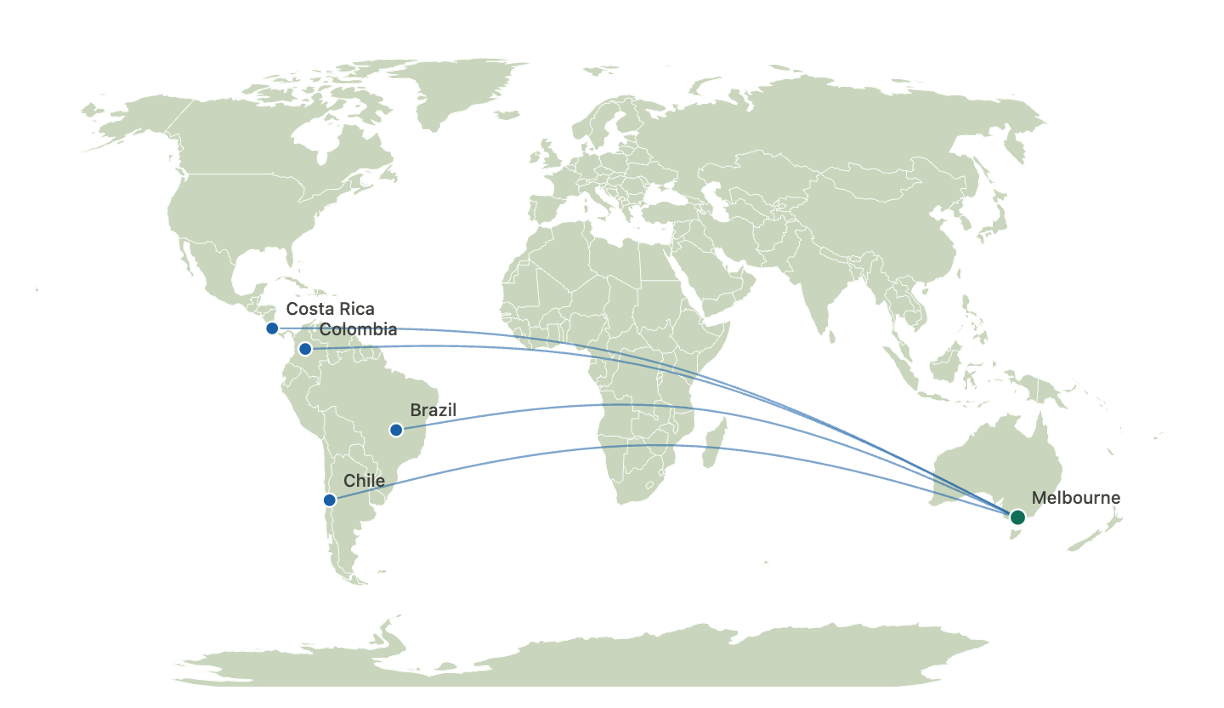
Our Regional Partnerships
Building on established and emerging partnerships across Costa Rica, Colombia, Chile, Mexico and Brazil, the Hub creates a platform for sustained collaboration across research, education and policy engagement, with a particular focus on nature-positive urban futures, multispecies flourishing, justice and care.
Our partnerships connect researchers and practitioners across disciplines and sectors, supporting new research collaborations, knowledge exchange and opportunities for international engagement.
Our Team
Our Projects
A selection of past projects by members of the Latin America-Australia Urban Futures Hub team.
-
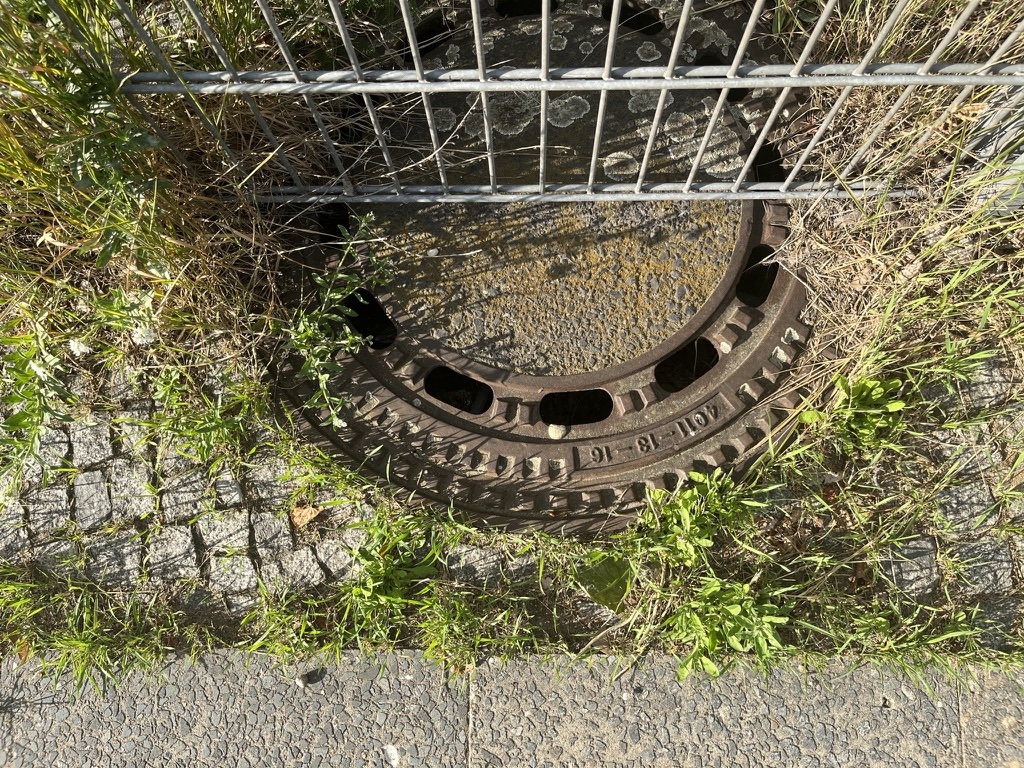
This project, coordinated by Melissa Pineda Pinto, takes a critical stand of the ways in which geographies (elements, organisms, human-nature relations) are represented through urban planning discourses, legislation, maps, ordinances. This is significant as it has direct effects on space and the spatial relations in which these representations are enacted. This research argues that the ways in which urban novel ecosystems (as specific, but also global geographies of urban space) are understood, represented (e.g. mapped) and governed influences how they are perceived, governed and cared for.
This has deep implications on justice. The erasure or misrepresentation of these ecosystems not only invisibilises and destroys the lives and relations that are entangled in that space, but also fails to recognise the contributions of these geographies as places sustaining life (biodiversity) and spaces that are already addressing climate and multispecies injustices.
-
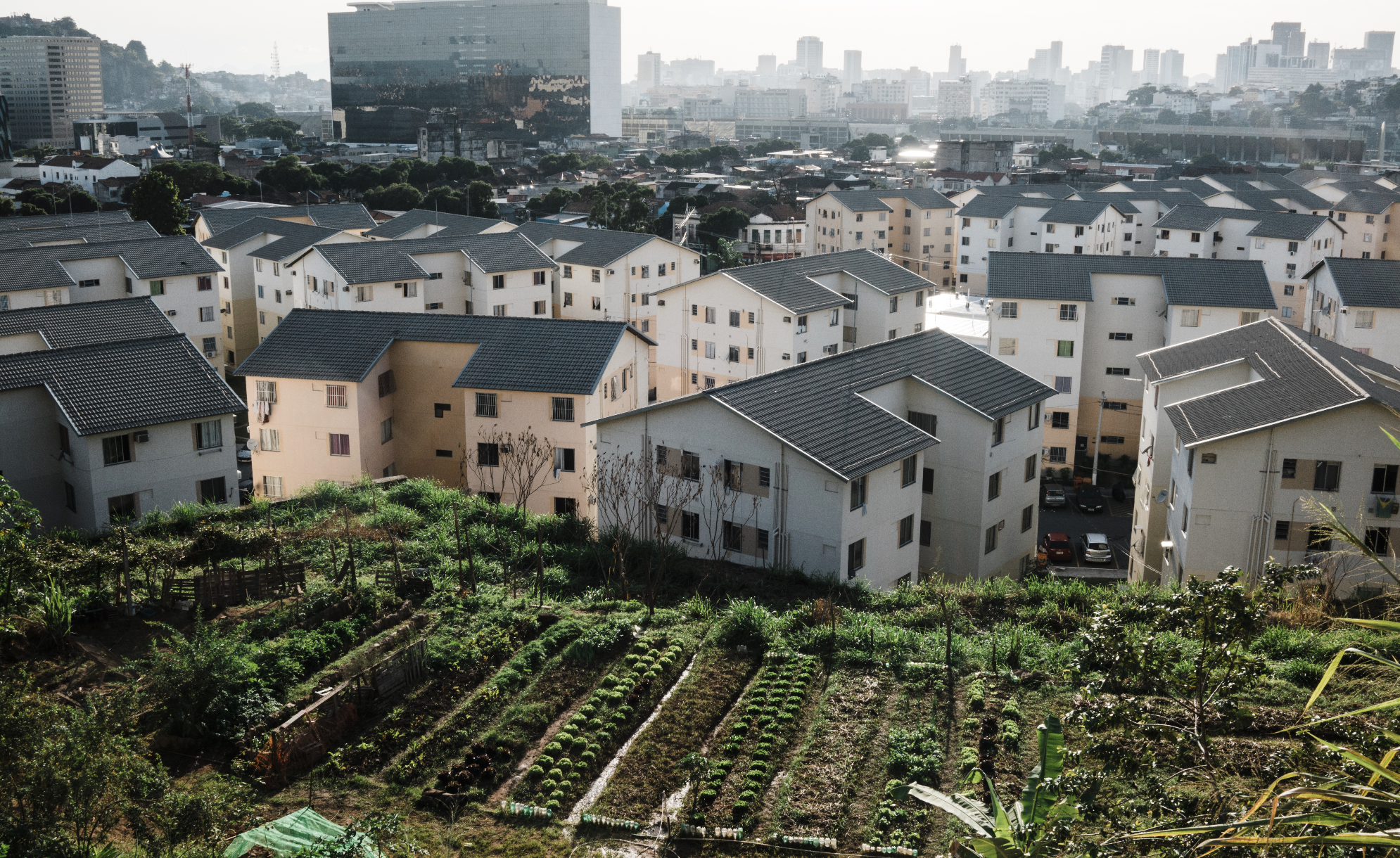
This project, coordinated by Jeff Garmany, aims to develop a deeper understanding of new affordable housing experiments in central Rio de Janeiro, Brazil. It brings together an interdisciplinary, multi-national project team to explore the following questions: How do centrally-located, differently-modelled housing projects in Rio de Janeiro affect, in different ways and over time, the economic circumstances and livelihoods of the people who live in them? How do they shape, in different ways and over time, the social interactions, exchanges, and ties among project residents and between project residents and their neighbours outside?
To investigate these questions, the team conducted five years of extensive ethnographic research (2016-2020) in the old port area of downtown Rio de Janeiro. In this district, the team observed and continues to analyse the differential impacts on the poor of a variety of different models for creating centrally-located affordable housing.
For more, visit this project's YouTube channel, 'Lutas pela moradia no centro da cidade'.
Connecting Research Across Regions
Many of the challenges facing cities, from climate change and biodiversity loss to inequality and rapid urbanisation, are shared across regions, while the pathways to addressing them are shaped by local contexts.
The Hub provides a platform for reciprocal learning and collaboration, bringing together diverse knowledge, perspectives and approaches to help shape the urban futures of both regions.
Connecting knowledge. Building partnerships. Shaping urban futures.