Clusters
The Centre has created several research clusters to enhance the impact of its research activities.
Each cluster focuses on at least two of the Centre's core themes – Equity, Sustainability, Leadership, and Connection – and brings together multi-faculty, multidisciplinary teams.
These clusters are designed to foster collaboration and amplify opportunities for meaningful impact and engagement.

Inhabiting the Urban
The cluster, led by Dr Rebekah Plueckhahn and Melissa Pineda Pinto, examines the lived experiences of challenges and contexts shaping cities within the Global South. It examines the political, material and ethical questions emerging from living within for-profit urban development contexts, rapid urban transformation and corresponding materialities and informalities.
Themes include infrastructural inequality, residential political and social participation and strategies, spatial justice, housing finance inequality and debt, urban materialities (surface, depth and quality), and labour in cities. Issues to be explored include generative residential expertise, politics and strategies, incremental urban shaping from within, Indigenous knowledges and planning design, technological innovation and climate change responses and adaptations.
By focusing on the lived experience of a diverse range of cities, this cluster generates connectivity and theoretical scaling up between cities across the Global South and North.
Urban Biodiversity
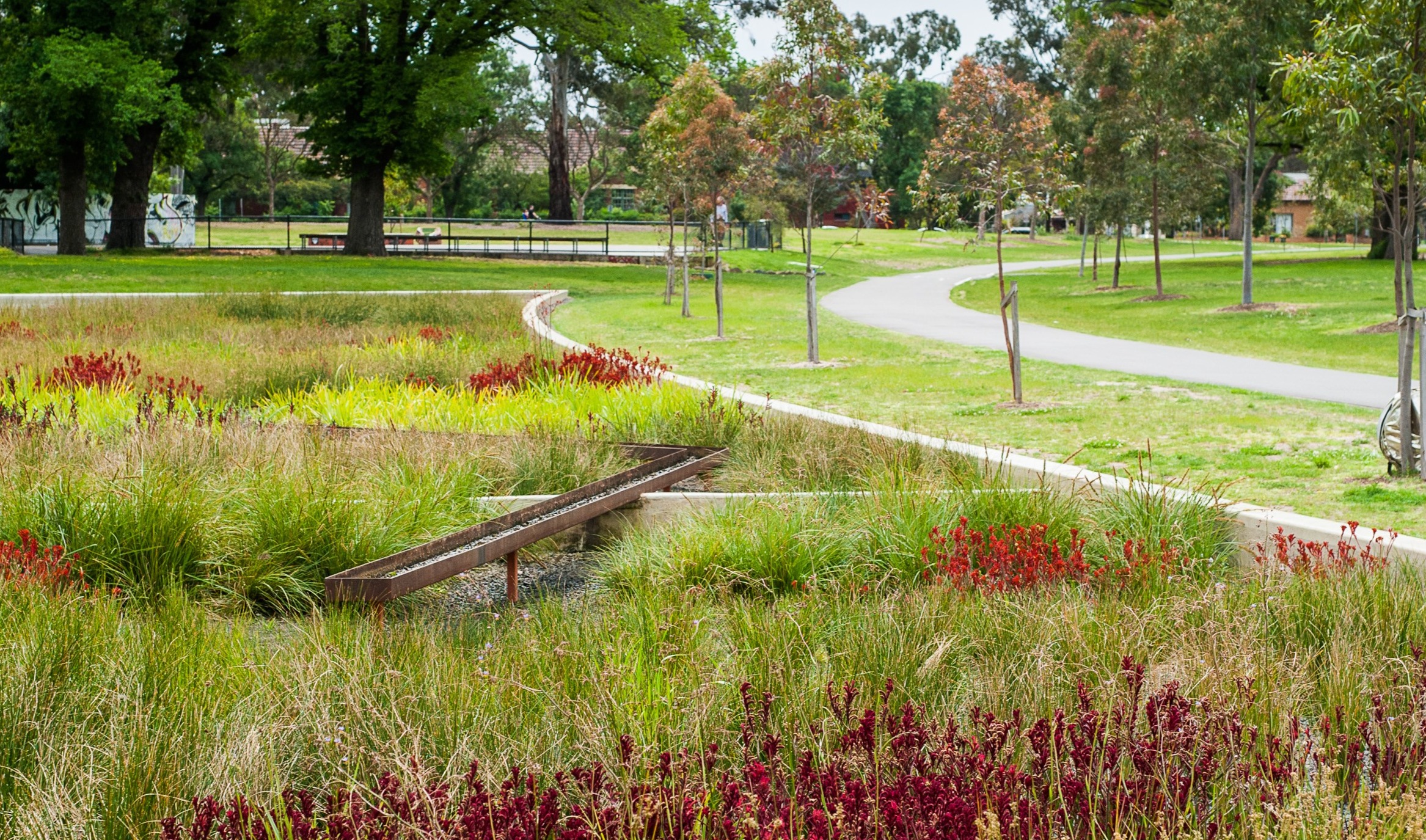
The Urban Biodiversity Research Cluster, led by Dr Kylie Soanes, works to improve the capacity of cities to support, protect and enhance biodiversity. Researchers span the Faculties of Science and Architecture, Building and Planning, to develop novel solutions to wicked problems facing the conservation of biodiversity in urban environments.
This cluster has a strong emphasis on partnerships with industry and government, to deliver research that can inform policy and practice. A key focus of the cluster includes enhancing the capacity of urban practitioners and communities to advocate for ambitious, novel solutions to transform city spaces into flourishing urban environments that benefit biodiversity and provide opportunities for human connection to nature.

21st Century City Leadership
Led by Dr Dan Pejic and Professor Dan Hill, the cluster is formed of researchers and some key external collaborators who examine how and why local governments are internationally engaged – and the impact that multilevel governance advocacy and partnerships can have.
With cities showing leadership on global issues more than ever before, cities are now engaged in a complex ‘ecosystem’ of urban relations through city-to-city connections but also with other levels of government, and transnational city networks, in which over 10,000 cities globally are active.
Alongside efforts to promote city ‘brands’ internationally to attract tourism, finance and talent, cities look abroad to address a range of major global challenges that impact every urban management, such as climate change and migration. This ‘city diplomacy’ is now a key strategy of urban governance.
Social and Visual Justice in the City
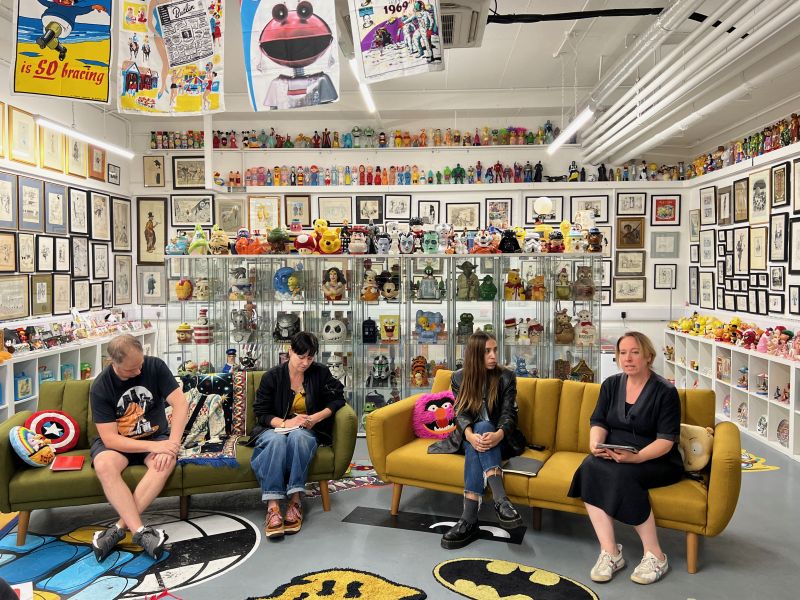
Led by Dr Sabina Andron and A/Professor Bianca Fileborn, this cluster brings together colleagues working on topics related to spatial and social justice and inclusion in cities, particularly through ethnographic, visual, and experiential methods.
The shared premise of work as part of the cluster is to ensure everyone’s ‘right to the city’, including disadvantaged urban citizens such as migrant workers involved in precarious work, urban cleaners, graffiti writers, unhoused people, and communities subject to different forms of harm, violence and exclusion. It draws from qualitative, creative, participatory and observational methods of urban spaces, particularly through visual, sociological, urban and cultural geographic lenses.
Issues studied include gig economy work, critical reflections on the role and uses of images in urban governance, examinations on urban citizenship in relation to disorderly and marginal spatial processes, and critical interrogations of safety and inclusion in the city at night. The cluster champions these themes as a core component of the Melbourne Centre for Cities portfolio for equitable cities, with a focus on everyday spaces and lived experiences in Melbourne and internationally.