Providing Olympic and Paralympic athletes with exceptional medical care
Medicine alum and sports physician Alice McNamara is well-placed to understand the headspaces of the Olympic and Paralympic athletes she cares for.
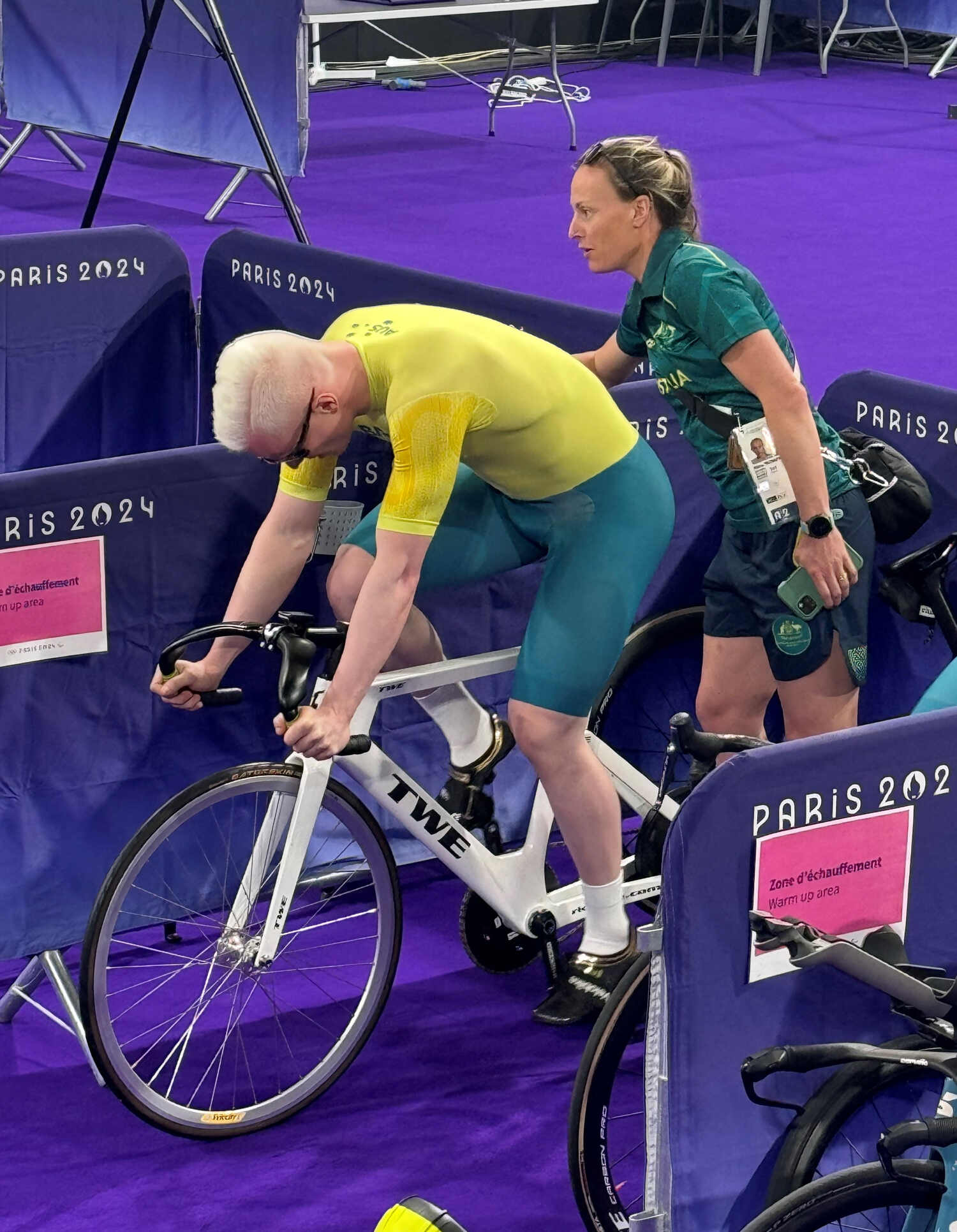
During her time as a student at Melbourne, Alice travelled to the Beijing Olympic Games as a reserve in the Australian women’s rowing team – and now she says it’s a “massive privilege” to be a part of the Games again.
“I was the sports physician for the women’s basketball team at the Olympics – the Opals – and now I'm also looking after the AusCycling Paralympic Team,” said Alice.
“It's hugely exciting and special, getting the opportunity to travel and help people at the very pointy end of their athletic careers.”
Head in the game
Alice’s preparations for her two roles started in her day job as a practitioner at the Victorian Institute of Sport (VIS) where she had already established an extensive knowledge of the teams’ medical needs.
“We look after Olympic and Paralympic athletes preparing for major games and competitions,” Alice shared.
“We get to know them through medical care – you see them for injuries, niggles, illnesses across their training block. It’s a continuity of care,” explained Alice.
Although many of the basketball players on the Opals are based in Victoria, others are interstate and even overseas, so forming strong relationships with their local medical teams was essential.
“Sports medicine is very multidisciplinary, and we make sure that we've got all of the preparation for the individual athletes before they land with us,” said Alice.
Thorough health checks were completed for all athletes leading up to their departure to Europe, then Alice turned her attention to ensuring a smooth travel experience for the entire team.
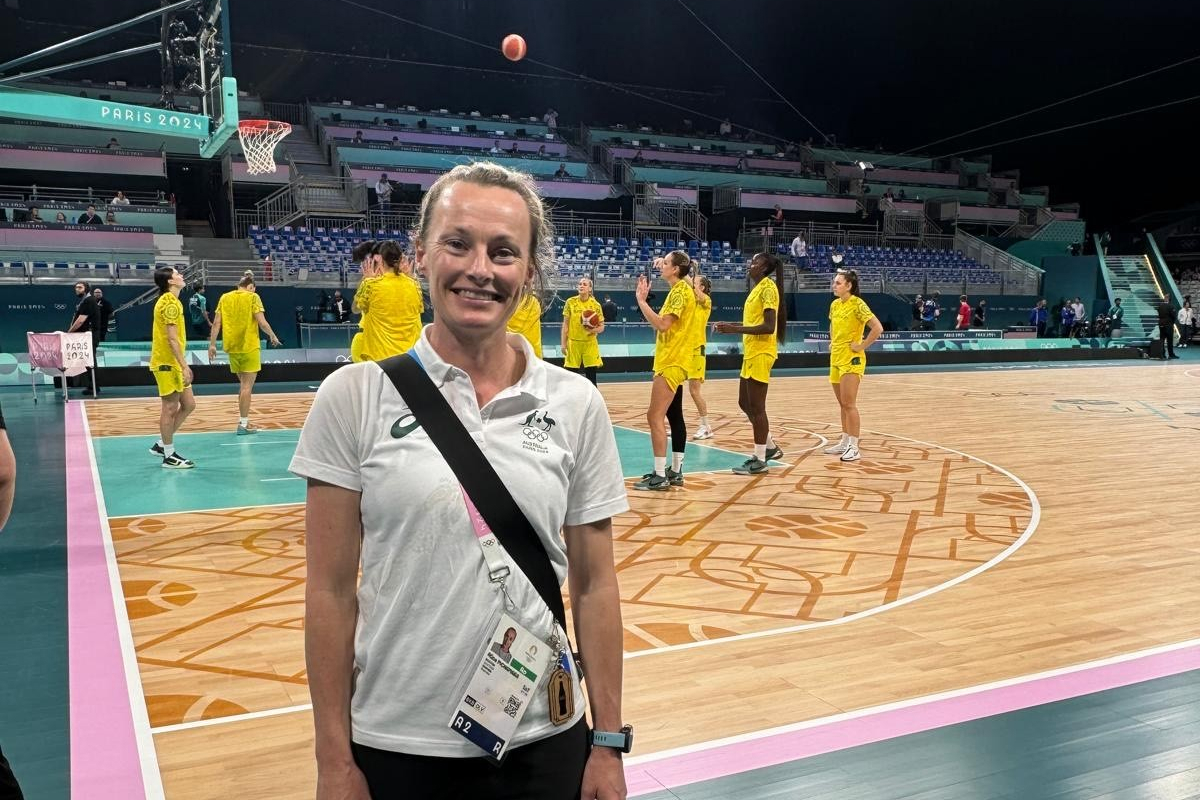
Alice McNamara with the women's basketball team the Opals at the 2024 Paris Olympics.
“It’s all about preparation and trying to anticipate what might arise, whether it’s musculoskeletal problems that we know exist or certain medical things we need to manage,” said Alice.
There was also the preparation required to ensure Alice could be a fully-functioning, independent doctor in Paris.
“I do everything from the consult, reviewing medical history, creating a plan, and then having the medications ready to go – I actually travel with a little pharmacy that I dispense medications from as needed,” said Alice.
Come game or race day, Alice is once again at her team’s side to provide immediate medical support.
“My job is to have eyes on the athletes at all times – I’ll be there to help with bleeding, major injuries, head injuries, and working with our physio team who are very experienced,” Alice said.
“There's a lot of thought that goes into it, because I’m the person on the ground that needs to step up when it matters.”
Now that the Opals have won bronze in Paris, Alice has turned her attention to the Paralympics – a part of the Games that is close to her heart.
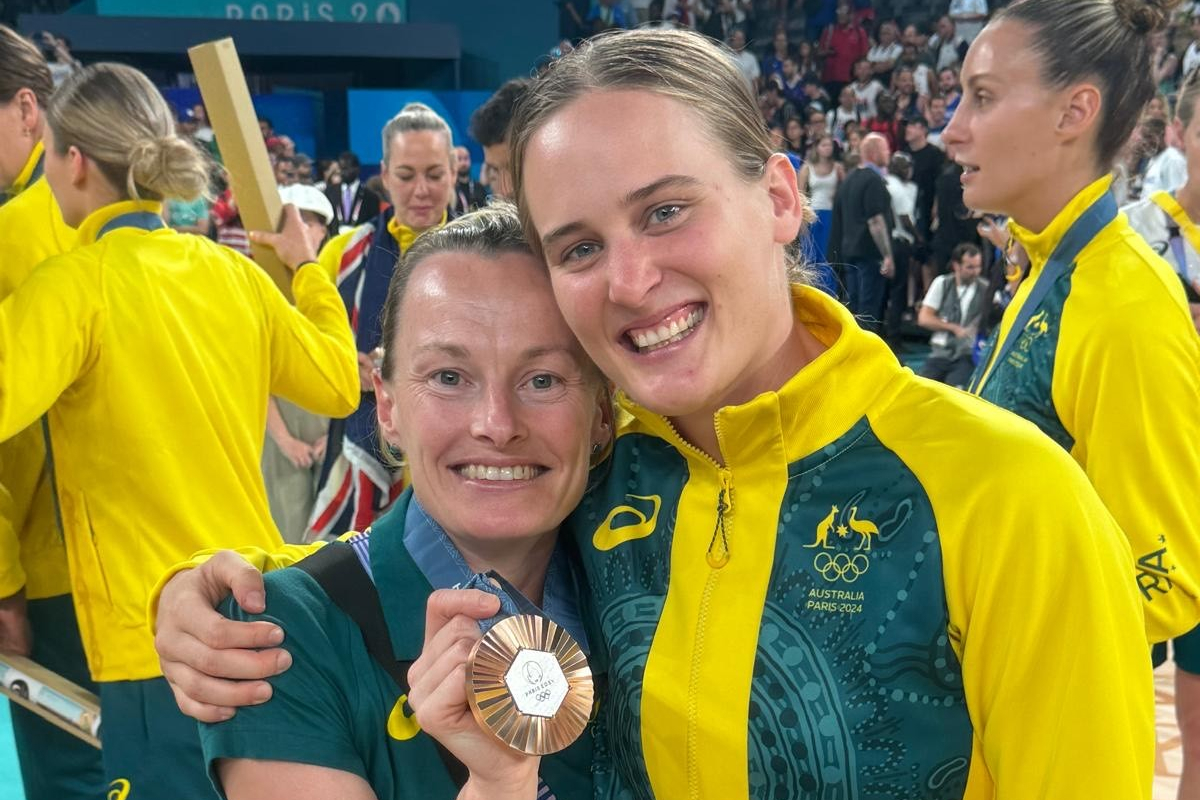
Alice McNamara with Opals Guard Kristy Wallace after winning bronze at the 2024 Paris Olympics.
“A lot of medical students like me will have strong memories of seeing hospital patients post major trauma that are coming to terms with the question: ‘who is the new me?’
“Often, Paralympians have been through hell and back – their stories are amazing and what they do to get themselves qualified for the Games is phenomenal,” she said.
Through her role at the VIS, Alice has forged bonds with many Paralympians who will form part of the cycling team she will care for.
“We have athletes who have vision impairment, neurological abnormalities, limb length discrepancies – all sorts of different athletes who are competing in cycling, and everyone has an individual need,” said Alice.
“It's very one-to-one kind of care, but they are phenomenal athletes and what they can do is very inspiring.”
Developing skill and stamina
Alice is no stranger to the hard work elite athletes put into their disciplines. She has competed in a plethora of rowing and stair-climbing world championships, and dabbled in other sports when she was younger, including basketball.
So important was sport in her life that throughout her medicine degree, it helped her succeed and even shaped the trajectory of her career.
“If you're someone who has a rather busy brain, having sport as an outlet while you're studying is really helpful,” shared Alice.
“Once you've got that need for endorphins, the physical outlet, I just really learned that I need that for my own self-care and my own health.”
While maintaining a physical outlet has been vital to Alice’s medical studies and career, there are certain learning curves in her career that have been equally critical.
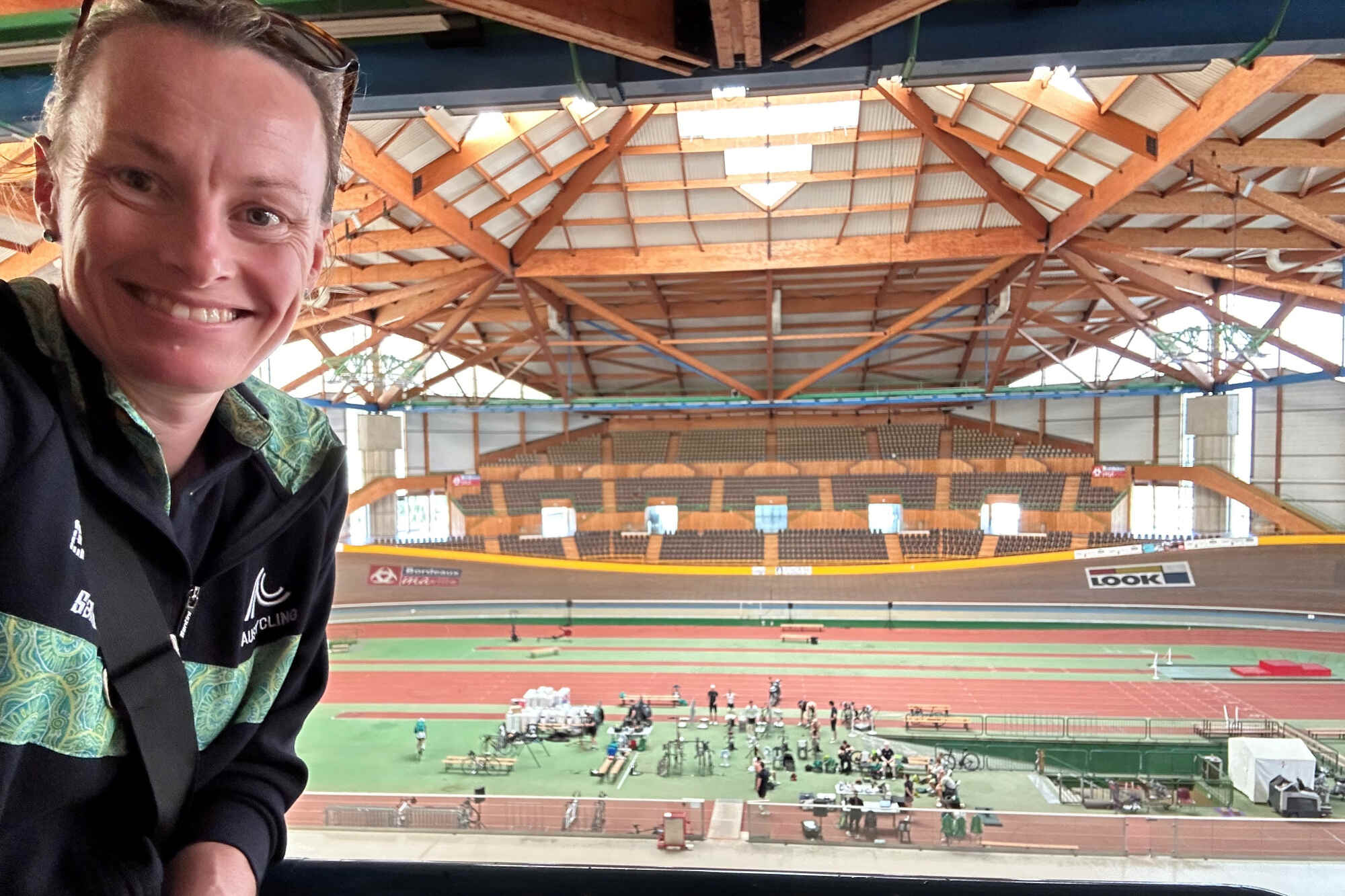
Alice McNamara at the 2024 Paris Paralympics velodrome.
“I worked in a Wangaratta-based hospital earlier on. Their emergency department was very multidisciplinary, and I found myself in charge for the overnight shift, but you just step up with the support of the very experienced nurses up there.” said Alice.
“I think it's been the most helpful thing in sports medicine, having done that rural emergency work.”
After her first taste of accompanying athletic teams as a sports physician, Alice knew this was the direction she wanted to take her career in.
“I just love traveling with teams and looking after athletes,” said Alice.
“My favourite part is helping someone work through a problem, and seeing the satisfaction when they can do what they were previously doubtful of leading up to a major event.”
The feeling of supporting those around her is something Alice has pursued through other avenues in her career, including becoming a mentor for aspiring sports medicine professionals.
“I've been approached quite a bit by people who are interested in sport and exercise medicine, and I'm very happy to have them sit in and talk about the pathway – and hopefully be someone to look up to,” she shared.
Having had her own role models throughout her own journey – some of which have now become colleagues – Alice understands the importance of helping guide the next generation.
“Being able to watch how people that you look up to manage themselves, I think that’s important, because you can't be what you can't see.”
Grateful to serve
Through working as a practitioner at the VIS, Alice is grateful for the opportunity it has provided at the Games, but also reflected on how fortunate she has been to become a part of its community.
“Through the VIS, we support 450 athletes, and it’s been amazing watching so many of them be successful in making the Games,” she shared.
“It's intangible, what that feels like, but I’m just so proud having understood all of the things that they've gone through to get there.”
Stay connected
Your diverse alumni network offers unique opportunities for you to grow personally and professionally. Explore events, lectures, inspiring stories, global groups, and so much more.
-
Find an alumni event
From public lectures to alumni events that keep your community connected across the globe, see what’s on at the University of Melbourne.
-
Find a group
Join a vibrant alumni network in your local area to boost your career, build friendships, or connect with like-minded individuals.
-
Alumni Council
The Alumni Council champions your community worldwide, shaping events, student experience and more. Learn how to get involved.
How can we help?
FAQs and contact details
Find helpful answers to common questions or contact the alumni office.
Stay in the know
Learn how to set up your UniMelb account to access perks and discounts.
UniMelb account log in
Access your account to update your personal details and access benefits.