13 Jan 2021
Study explores the reasons why some women use force
In the context of family relationships, women who use force generally do so because they want power rather than because they have power, according to new research.
526 results found
Page 9 of 27
13 Jan 2021
In the context of family relationships, women who use force generally do so because they want power rather than because they have power, according to new research.
12 Jan 2021
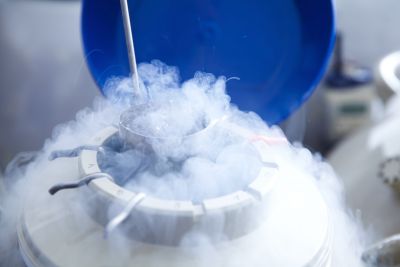
As more women postpone childbearing for social reasons and freeze their eggs, new research reveals that most don’t end up using them, leading to wastage.
6 Jan 2021
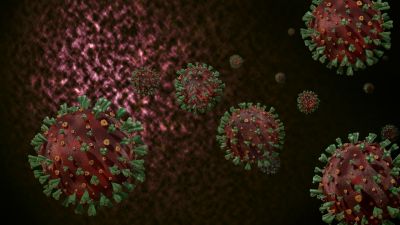
Human mobility data gathered from de-identified mobile devices could help map coronavirus (COVID-19) transmission and support contact tracing efforts, according to new research.
23 Dec 2020
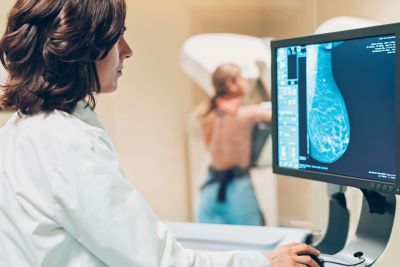
World-first techniques for predicting breast cancer risk from mammograms that were developed in Melbourne could revolutionise breast screening by allowing it to be tailored to women at minimal extra cost.
15 Dec 2020
Aboriginal and Torres Strait Islander women face barriers to reporting family violence, including the threat of child removal, homelessness and potential isolation from their family and community, new research shows.
15 Dec 2020
The University of Melbourne has welcomed funding as part of the National Health and Medical Research Council (NHMRC) Ideas Grants, announced today by Minister for Health Greg Hunt.
4 Dec 2020
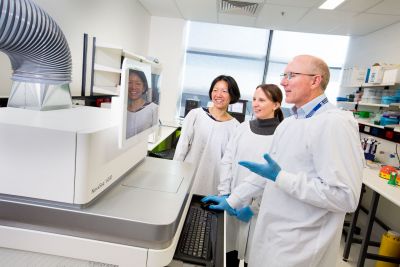
The University of Melbourne, together with international genomics company, Illumina, have welcomed the Victorian Government’s support to establish a $60 million world-leading genomics hub in Victoria.
3 Dec 2020
Differences in the immune systems and better blood vessel health were among the factors protecting children from severe COVID-19, according to a new review.
2 Dec 2020
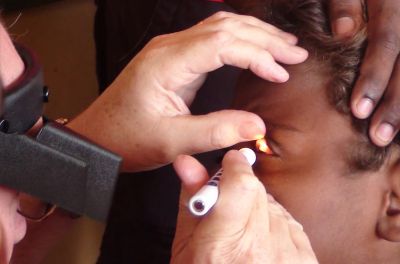
A new global study has found no significant reduction in the number of people with treatable sight loss since 2010.
1 Dec 2020
New research reveals that some primary school-aged children have self-harmed, prompting calls for intervention efforts to start earlier.
26 Nov 2020
Fiji’s national vaccine program against pneumonia, a serious lung condition, and rotavirus, a common disease which causes severe diarrhoea and vomiting, has reduced illness and death, new research shows.
21 Nov 2020
More evidence has emerged that food labelling can encourage manufacturers to improve product nutrition, but University of Melbourne experts say the star labelling system must be compulsory to make a big difference.
20 Nov 2020
Australia continues to close the gap for vision for Aboriginal and Torres Strait Islander Australians, but not fast enough, according to a report being launched today.
19 Nov 2020
The COVID-19 pandemic has lent new urgency to the need for a digitally enabled health system, says the head of a new University of Melbourne partnership to tackle the gap between technology and health.
18 Nov 2020
Sexual activity and dating app use declined among Australian adults during the coronavirus (COVID-19) lockdown, although chatting on dating apps increased, University of Melbourne research has found.
13 Nov 2020
The University of Melbourne, Burnet Institute and Doherty Institute today welcomed the Victorian Government’s investment in a new hub for infectious diseases and global health to be established in the world-leading Melbourne Biomedical Precinct.
30 Oct 2020
Four prestigious dental schools are joining forces to advance and transform research, education, and practice in dentistry and the oral and craniofacial health sciences.
28 Oct 2020
A tiny device the size of a small paperclip has been shown to help patients with upper limb paralysis to text, email and even shop online in the first human trial.
28 Oct 2020
What it means to be a public expert, which countries are managing the coronavirus (COVID-19) pandemic well and the politics of mask wearing were some of the topics discussed in a special webinar event with Dr Anthony Fauci, advisor to six US presidents and regarded as “America’s doctor”.
20 Oct 2020
Early adolescence is where gender inequalities most markedly emerge, according to new research from across 40 low- and middle-income countries in Asia and the Pacific.