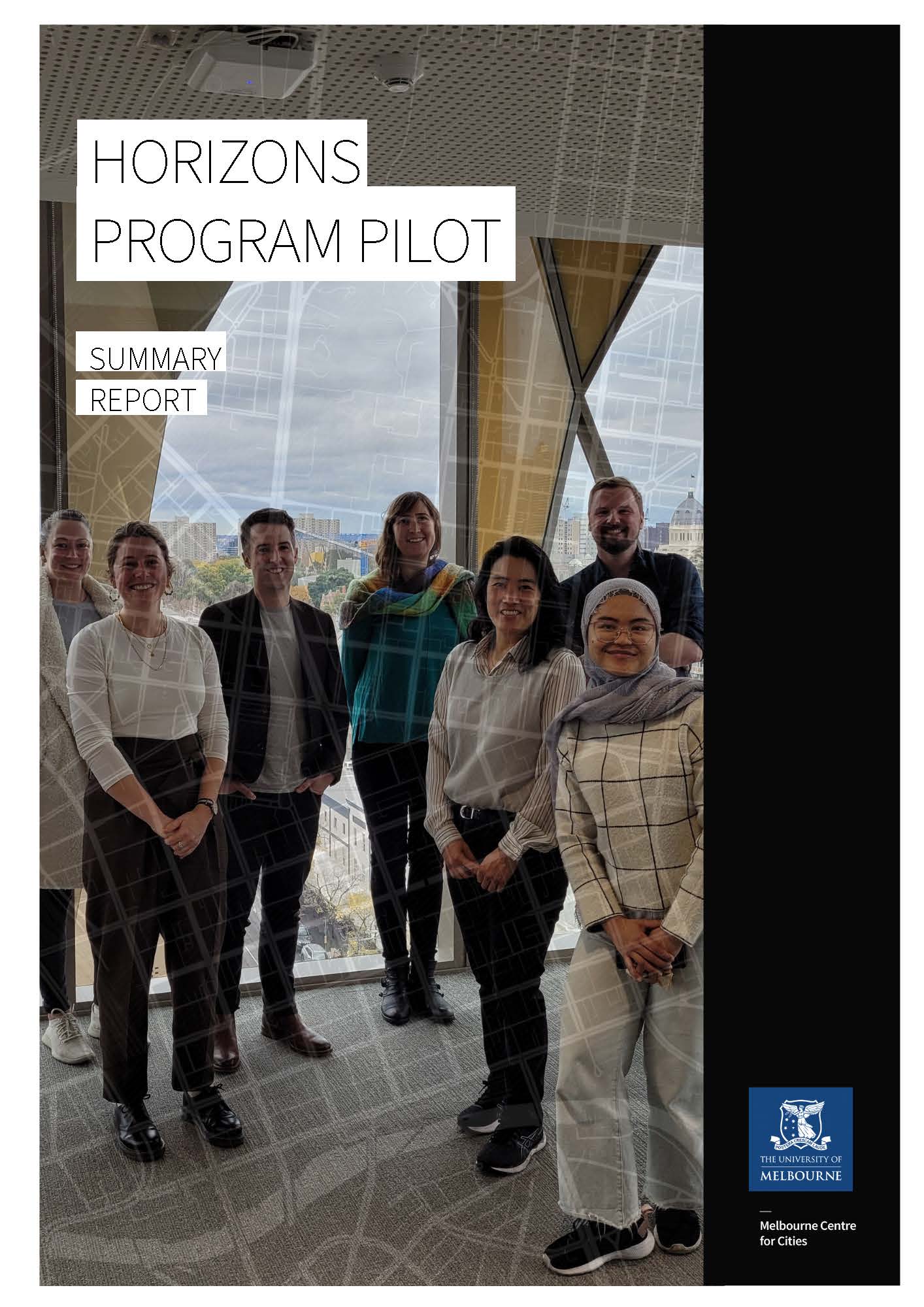
Horizons Program
2026 Horizons Program
About Horizons
Horizons is the Melbourne Centre for Cities’ flagship doctoral and early career researcher (ECR) capacity‑building program. The program is designed for approximately 20 PhD candidates and post‑PhD early career researchers working on urban, cities and place‑based research across disciplines, including geography, planning, architecture, urban policy, sociology, and related fields.
In 2026, Horizons will be delivered as a six‑month, cohort‑based program that combines early career research (ECR) capacity building with progressive exposure to academic leadership and convening practice. Horizons 2026 also aims to strengthen the wider Australasian urban research ecosystem, accepting EOIs from across Australia and New Zealand.
Why Horizons
Horizons recognises that contemporary doctoral training requires more than disciplinary excellence. Increasingly, doctoral candidates benefit from opportunities to observe, participate in, and help shape the academic spaces in which knowledge is produced, shared, and debated, particularly under climate-changed conditions. In 2026, Horizons is delivered by the Melbourne Centre for Cities in partnership with the Australasian Early Career Urban Research Network (AECURN), who promote, support, and advocate for early career agendas in urban research, in close alignment with the Australasian Cities Research Network (ACRN).
 The Horizons opportunity is open to PhDs and ECRs. Early Career refers to a PhD or a colleague who is typically up to 7 years post-PhD, accounting for personal circumstances and varying career trajectories. This includes colleagues who: don’t currently work in academia; are on teaching and research tracks; are employed in professional roles; and are in precarious, temporary, casual employment (not ongoing or full time).
2026 Participants
We are pleased to introduce the 2026 Horizons cohort, representing 13 institutions from across Australia and New Zealand. Participants are outstanding PhDs and Early Career leaders in urban-related fields across the region, and we look forward to building our most ambitious Horizons program together.
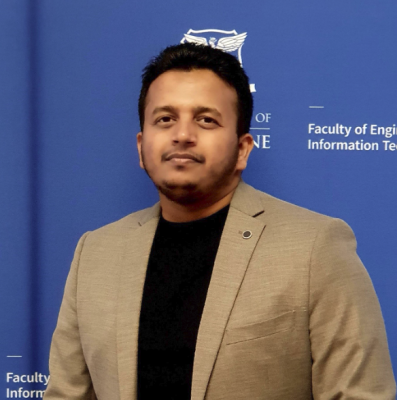
Abdullah Anwar
Abdullah Anwar is an Associate Research Fellow in Infrastructure Engineering at the University of Melbourne. His research explores how innovative construction materials and infrastructure engineering can help create more sustainable, resilient and net-zero cities. He enjoys collaborating across disciplines to translate research into practical solutions with real-world impact.
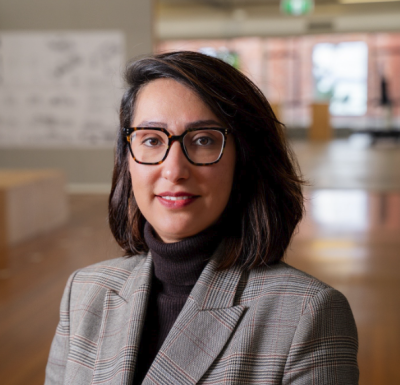
Anahita Sal Moslehian
Dr Anahita Sal Moslehian is an internationally accredited Evidence-Based Design (EDAC) researcher specialising in health-promoting environments. As a Postdoctoral Research Fellow with the HOME Research Centre at Deakin University, she investigates how everyday living and care environments function as active socio-spatial systems that shape care, connection, and wellbeing.
Atif Saeed Channa
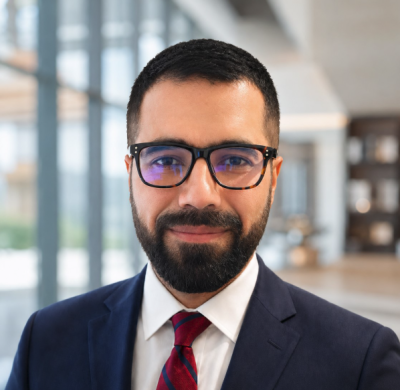
Atif Saeed Channa is a PhD candidate at Te Kura Toi Tangata, School of Education, University of Waikato, New Zealand. His interests include climate change, sustainability, policy studies, curriculum development, international education, urban and community wellbeing, and place-based approaches to education and social development.
Büşra Üstündağ
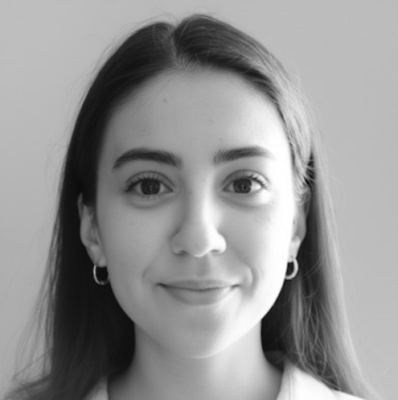
Büşra Üstündağ is a PhD candidate in Design at Queensland University of Technology with a background in urban planning and urban design. Her research investigates how planning and design can move beyond anthropocentric perspectives by recognising the roles, agencies, and presence of nonhuman actors in urban life.
Clara Siagian
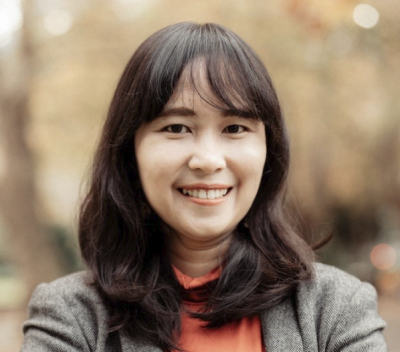
Clara Siagian is a postdoctoral researcher at the University College London and a research affiliate with Universitas Indonesia. She studies young people navigating state interventions around housing insecurity and climate adaptation in urban Southeast Asia. Her articles have been published in journals such as Cities, Children’s Geographies, and IJURR.
Daniel Bacchieri
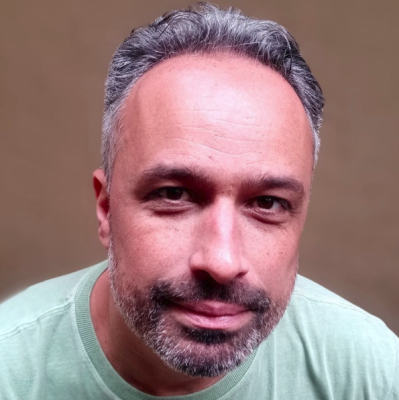
Daniel Bacchieri is a multimedia journalist, incoming Lecturer at Monash University and founder of StreetMusicMap. His research explores how music, public space and digital storytelling shape urban life, using podcasting, oral history and cultural mapping to document cultural heritage and support more inclusive, culturally vibrant cities.
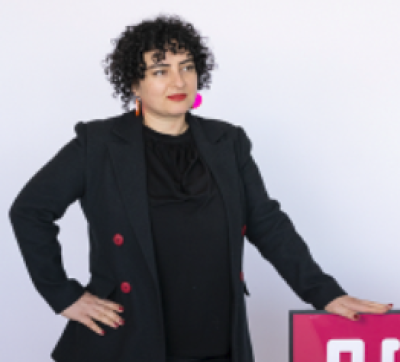
Farnaz Fattahi
Dr Farnaz Fattahi is the CPD Knowledge Transfer Lead at Arch_Manu, UNSW, leading knowledge exchange between academia and industry with more than 12 years of experience across teaching, research, and design practice. Her doctoral research introduced the Spatial Provocateur framework, exploring how multimodal architectural practices can address socio-urban challenges and shape alternative urban futures.
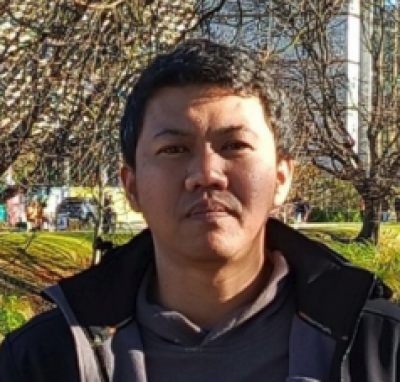
Ganggaya Sotyadarpita
Ganggaya Sotyadarpita is a PhD student in the Department of Public Health at the University of Otago, Christchurch. His research focuses on mobility change in Indonesia, particularly the shift from river-based to land-based mobility. He is interested in how this shift affects the everyday lives of river-dependent communities.
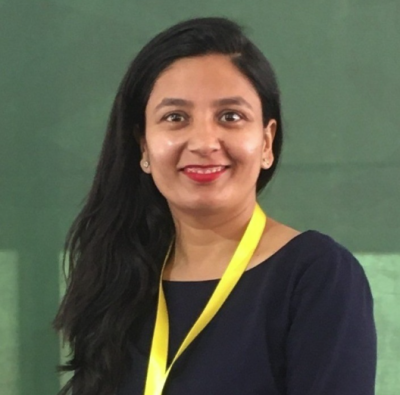
Jyotir Nisha
Jyotir Nisha is a second-year PhD candidate at the University of Queensland’s School of Architecture, Design, and Planning. Her research investigates urban green spaces for climate resilience from a governance and planning perspective. Prior to her PhD journey, she has worked for several national and international development organizations in Nepal.
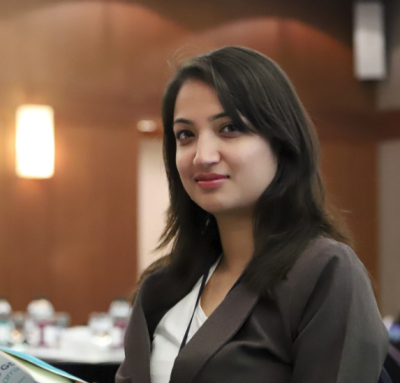
Kriti Pradhan
Kriti Pradhan is a joint PhD candidate at the University of Melbourne and KU Leuven. Her research develops a morphology-based integrated framework that connects urban morphology research with policy and practice in urban growth management and strategic planning to support more sustainable cities.
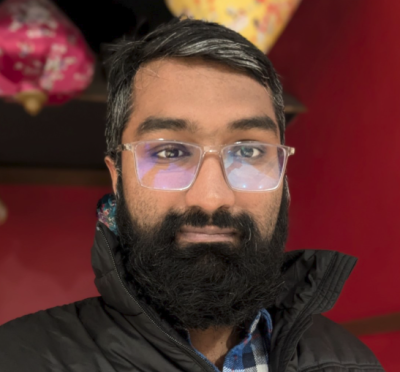
Muhammad Usman Haider
Muhammad Usman Haider is a PhD candidate in transportation planning at Griffith University, focusing on mega-event mobility, travel behaviour analysis, and discrete choice modelling.
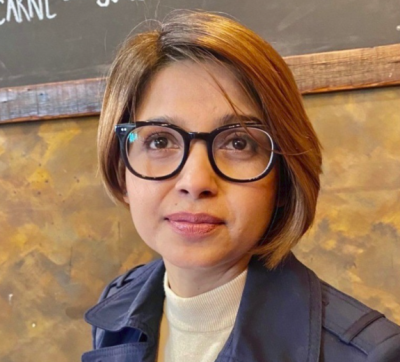
Naiyer Fatema Khanom
Naiyer Fatema Khanom is a PhD candidate at The University of Queensland, Australia. Her research examines work and digital transformation in evolving workplace environments within urban contexts. Drawing on industry and urban professional experience, she explores how women professionals and organisations adapt to technological change, advancing inclusive futures of work.
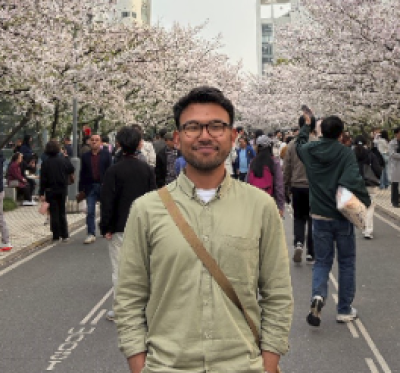
Nashruddin Latif
Originally from Surabaya, Indonesia, Nashruddin Latif is a joint PhD student in Urban Planning at Shanghai Jiao Tong University and the University of Melbourne. His research explores the intersection of migration and housing, focusing on how transnational family support reshapes homeownership pathways for first home buyers.
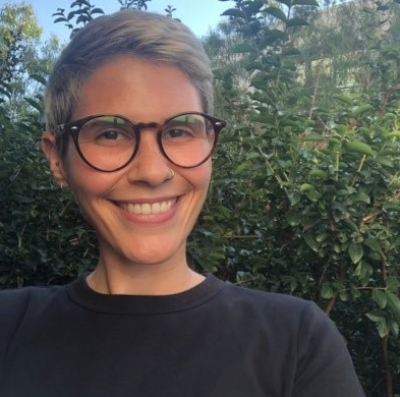
Natalie Calleja
Natalie Calleja is a PhD candidate at the University of Melbourne. Natalie’s research uses participatory and community-engaged methodologies to explore place-based stories of navigating the politics and boundaries of belonging in the context of histories, social and material entanglements, and attachments to place with youth in Melbourne’s western suburbs.
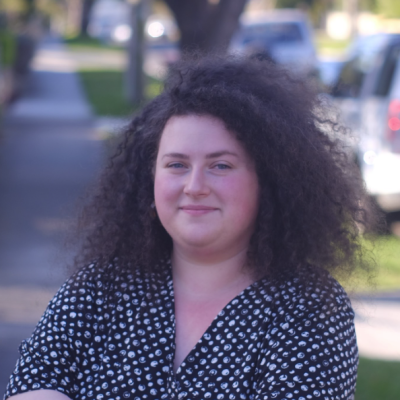
Rachel Iampolski
Rachel Iampolski is a cultural geographer, researcher and interdisciplinary producer working across political advocacy, creative practice and community-engaged placemaking. Her recent PhD explored how people adapt and repurpose public space in everyday life, and what these practices can tell us about culture, heritage and urban governance.

Samantha Wong-Topp
Samantha Wong-Topp is a PhD candidate at the University of Queensland. She examines how historical and contemporary ethnic inequities shape access to urban nature, tracing present-day nature inequities to legacies of racism and developing frameworks for more inclusive urban planning, to inform more equitable and ecologically resilient cities.
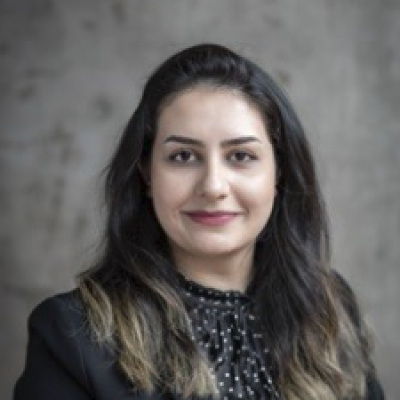
Sanaz Memari
Dr Sanaz Memari is a researcher and educator specialising in future-proofing and adaptive-reuse in the built environment. Her PhD examined future-proofing in hospital buildings, followed by postdoctoral positions at Deakin University's MinD Lab and on an ARC Linkage Project at the University of Sydney, investigating circular economy and participatory co-design for ageing apartment retrofits. She is the Research Portfolio Lead at the Australian Health Design Council (AHDC).
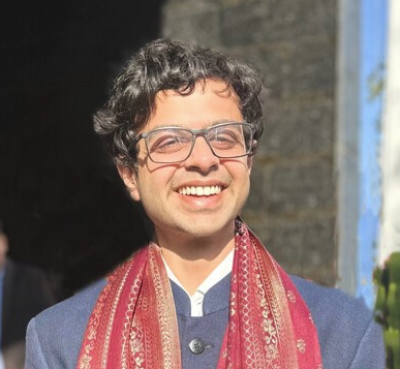
Shantanu Kulshreshth
Dr Shantanu Kulshreshth is a Human Geographer based at the University of Melbourne. His research examines marginalised young people's agency and practice in urban India, with a particular focus on youth in non-metropolitan cities. His work draws on long-term ethnographic fieldwork in North India and speaks to debates on work, precarity, digitisation, and emerging urban cultures.
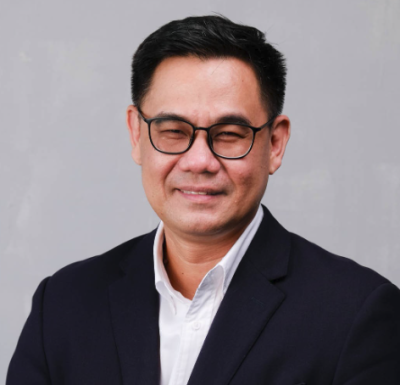
Shermon Cruz
Shermon Cruz is an award-winning futurist, UNESCO Chair on Anticipatory Governance and Regenerative Cities at Northwestern University, Philippines and a PhD Candidate at the School of Law and Society, University of the Sunshine Coast. Founder of the Center of Engaged Foresight and the Global South Futures Community, he bridges research, imagination and action to help communities, governments and organisations confront disruption and design transformative pathways toward dignity, renewal and possibility.

Sumiya Bilegsaikhan Taij
Sumiya Bilegsaikhan Taij is a geographer and interdisciplinary researcher focused on the social and cultural dimensions of environmental change, with emphasis on the diverse, place‑based values of water and land. Working across the Asia–Pacific, she has investigated how lived experience and local knowledge can inform environmental planning. Her ongoing work advances conversations on human–water relations and justice‑oriented approaches to energy transitions.
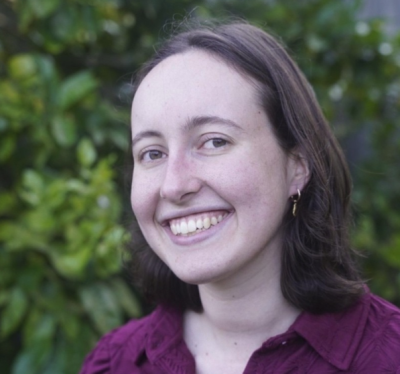
Tasma Eddy
Tasma Eddy is a PhD student at the RMIT University Social Equity Research Centre and a town planner at Beveridge Williams. Her research explores how policy and lived experience shape housing outcomes for young people with disability, with a focus on informing more equitable housing, planning, and social policy responses.
Core Components
The 2026 Horizons program will run from July to November 2026 and is organised around three phases:
Phase 1: Monthly online capacity‑building and sector‑literacy sessions (July–September)
The first phase of Horizons will focus on building a strong cohort, developing a shared language and understanding of the urban research sector, and supporting participants to reflect on their own skills, aspirations, and roles within that sector.
Each session will combine short provocations from senior and mid‑career scholars and practitioners, facilitated cohort discussion, and reflective and practical activities that link individual development to collective capacity building. Sessions will address topics such as urban research practice, career trajectories, writing and publishing, grants and partnerships, wellbeing, and engagement beyond academia.
All sessions will be held online to support participation across Australia and New Zealand.
Phase 2: Leadership through Symposium co-design (October–November)
A defining feature of Horizons in 2026 is the integration of planning for Melbourne Centre for Cities Annual Symposium. Throughout late October to early November, Horizons will shift to a series of shorter, weekly online sessions focused on event skills.
These weekly sessions will focus on activities such as developing and working with run‑sheets, facilitation and chairing techniques, supporting speakers, time‑keeping, managing discussion, and responding to challenges during live events.
Phase 3: Symposium delivery and Horizons participants event
26 November: Melbourne Centre for Cities Annual Symposium
Horizons program participants will play a leading role at the Melbourne Centre for Cities Annual Symposium, linking learning to a major scholarly convening.
Roles and responsibilities will be determined by the cohort throughout the monthly Horizons sessions. Involvement will be self-determined and involve working closely with the Horizons Convenor, the Melbourne Centre for Cities team, and the AECURN Committee.
27 November: Horizons participants event
The Horizons participants event on 27 November will bring together the outgoing Horizons cohort, Horizons alumni, and incoming participants, include short presentations or reflections from the 2026 cohort, and connect participants into ongoing ACRN- and AECURN-linked networks.
In addition to the Melbourne Centre for Cities Symposium, the Horizons cohort will be supported to design and deliver an ECR-focused day to reflect on learning and implications for future Horizons iterations and create an agenda for ECR-focused leadership in urban research.
This will be supported by AECURN and may include senior mentoring sessions, presentations, workshops, and co-authored reports or manifestos. This will also include presentations, feedback, and networking with ACRN and AECURN communities, and a celebration with Horizons alumni.
Expressions of Interest for the 2026 Horizons Program have closed.
If you have any questions regarding the program, please contact connected-cities@unimelb.edu.au.
Horizons Team
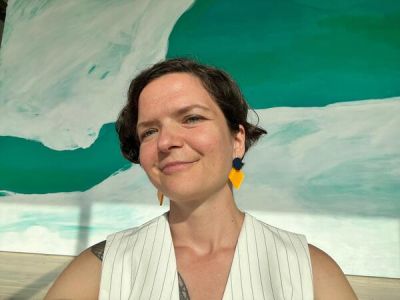
Sabina Andron
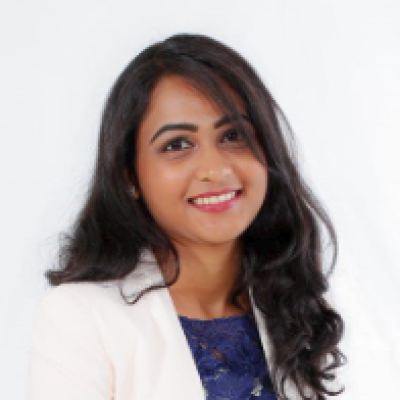
Chethna Ben

Shiva Nouri
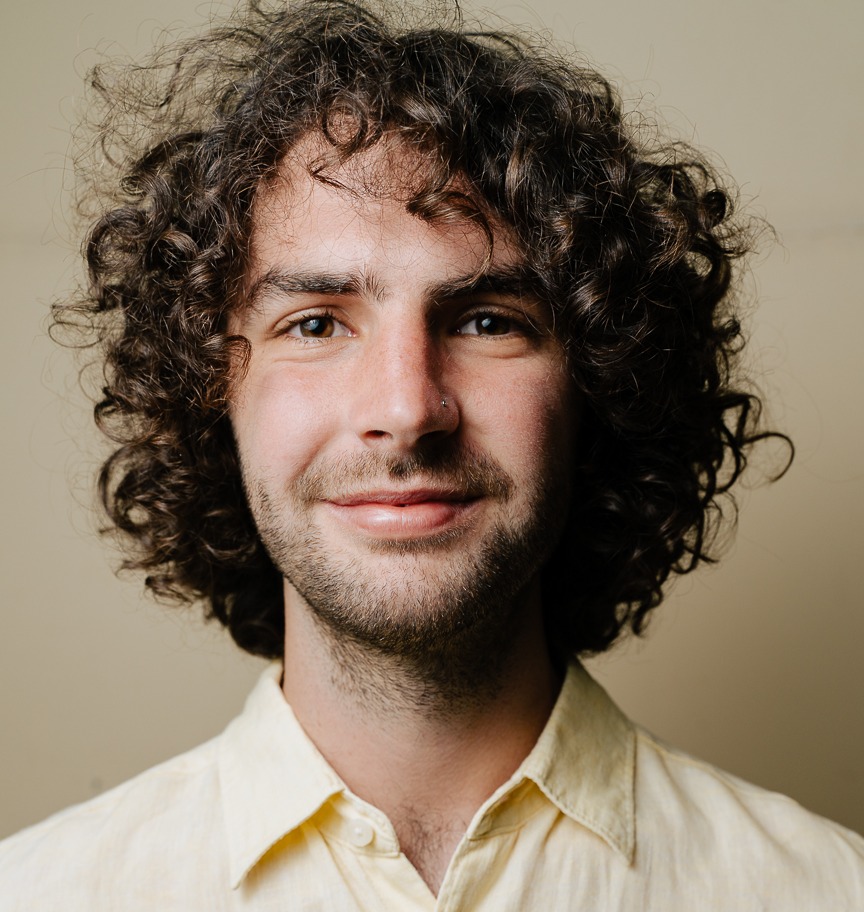
Jesse Mentha
Past Programs
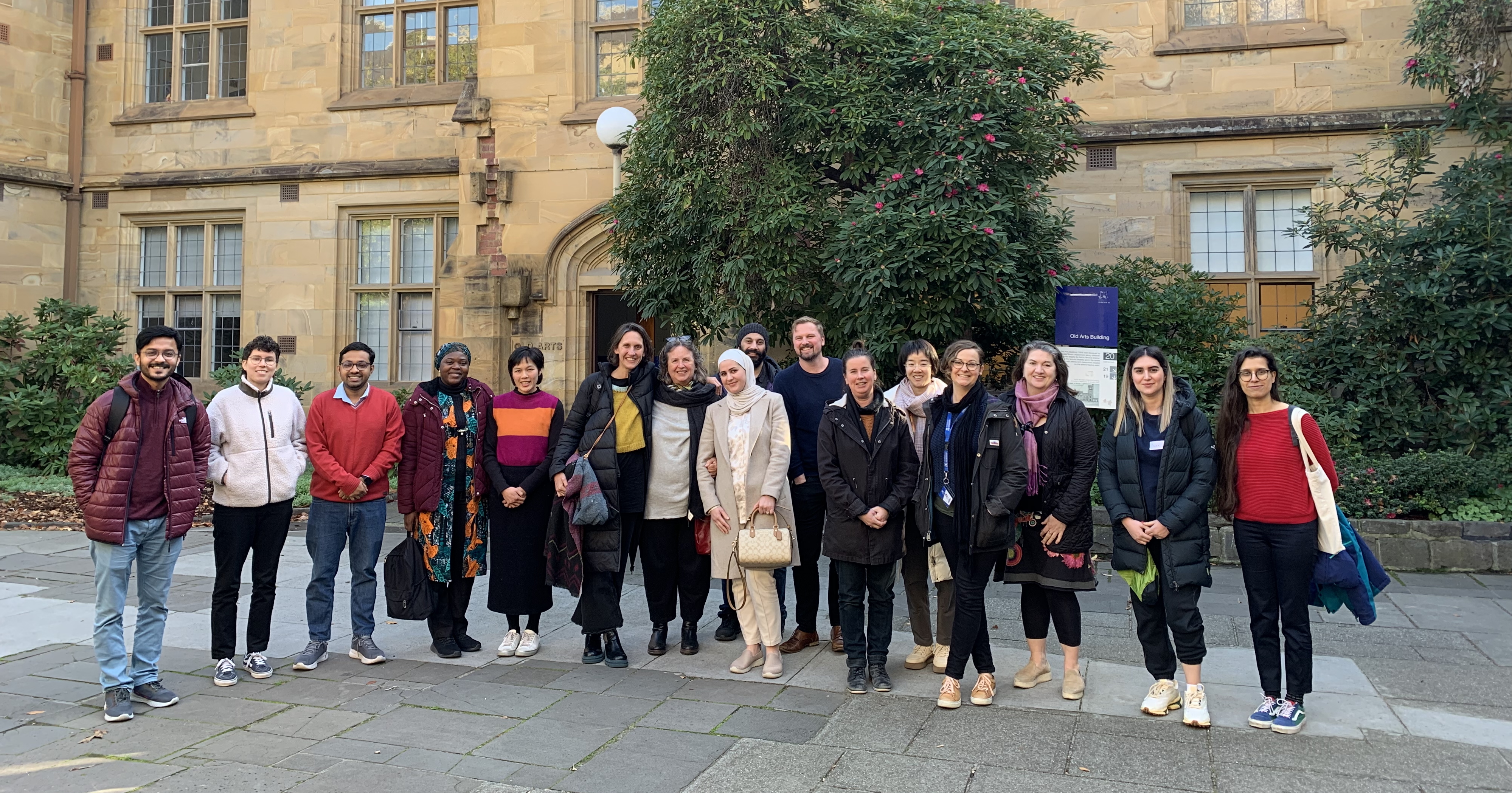
Previous Horizons programs have been run in partnership with RMIT University's Centre for Urban Research for doctoral candidates from across metropolitan Melbourne, with our University of Melbourne urban scholars joined by representatives from RMIT University, La Trobe University, Swinburne University, Victoria University, Monash University, BITS Pilani, and Zhongnan University of Economics and Law.
In 2025, the cohort took part in a series of Masterclasses with esteemed urban scholars and practicioners. Following each session, participants developed content collaboratively as part of an emerging urban scholars dialogue piece, in a format and outlet determined by the cohort.